Exploring Symbolism in Literature: A Complete Guide to Literary Symbols
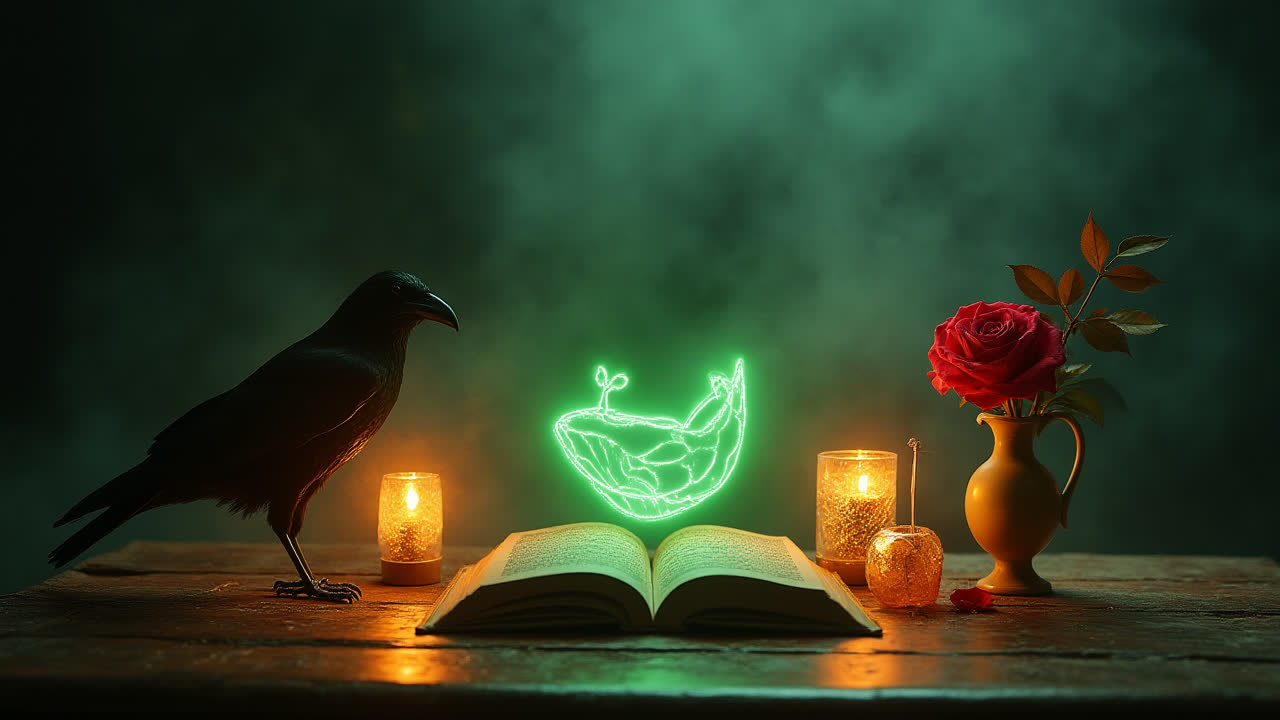
What Is Symbolism in Literature?
Have you ever read a story where rain seemed to represent more than just water falling from the sky? Or wondered why authors choose specific colors or objects in pivotal moments? Symbolism in literature is a powerful technique that adds depth and complexity to written works, inviting readers to explore beyond the surface narrative.
At its core, symbolism is the use of an object, color, person, or situation to represent something beyond its literal meaning. When an author employs symbolism, they're creating a bridge between the concrete and abstract, allowing readers to connect with deeper themes and emotions. This literary device transforms ordinary elements into vessels of greater significance, enriching the reading experience in ways that direct statements often cannot achieve.
Many people encounter symbolism when studying literature academically, but its presence extends far beyond the classroom. We interact with symbols daily - from the red heart that universally represents love to the white dove symbolizing peace. What makes literary symbolism particularly fascinating is how it can operate on multiple levels simultaneously, speaking differently to each reader while maintaining coherence within the narrative framework.
Sometimes, readers might perceive symbolism where authors never intended it. This phenomenon, often called "unintentional symbolism," occurs when a word or image resonates with readers in ways the writer didn't anticipate. Interestingly, literary critics and teachers typically accept these interpretations if they fit logically within the context of the work. This openness to interpretation is part of what makes literature a living, breathing art form that evolves with each new reader.
The Power and Purpose of Literary Symbolism
Why do authors bother with symbolism when they could simply state their themes directly? The answer lies in how our minds process information and connect with stories. Symbolic representation creates emotional resonance that straightforward exposition often lacks. When F. Scott Fitzgerald uses the green light in "The Great Gatsby" to represent Gatsby's hopes and dreams, he's engaging readers on both intellectual and emotional levels.
Symbolism serves multiple purposes in literature. First, it allows authors to communicate complex ideas efficiently. Rather than lengthy explanations, a well-chosen symbol can instantly convey mood, theme, or character development. Second, it invites active participation from readers, who must engage critically with the text to uncover deeper meanings. This engagement creates a more immersive and rewarding reading experience.
Additionally, symbolism provides authors with subtle ways to explore controversial or difficult topics. Throughout history, writers have used symbolic language to discuss politics, religion, and social issues that might otherwise be censored or rejected. The layers of meaning in symbolic writing offer a kind of protective ambiguity that has helped preserve important ideas through challenging times.
Perhaps most importantly, symbolism connects literature to our lived experiences. When we recognize symbols in text that mirror those in our own lives, we forge deeper connections with the material. A character walking through rain while grieving might resonate powerfully with readers who have experienced similar moments, creating bonds between author, text, and audience that transcend time and place.
Famous Symbols in Literature and Culture
Some symbols have become so deeply embedded in our collective consciousness that we recognize them instantly, both in literature and daily life. These universally understood symbols cross cultural boundaries and appear consistently across different works and time periods. Let's explore some of the most famous literary symbols and their meanings:
The Red Rose
The red rose stands as one of literature's most enduring symbols of passionate love. From Shakespeare's sonnets to modern romance novels, the red rose consistently represents deep affection and desire. When a character offers a red rose to another in a story, readers immediately understand the romantic implications without requiring explicit explanation. This symbol has maintained its power across centuries and cultures.
The Cross
Originally associated with Christianity and the crucifixion of Jesus Christ, the cross has evolved in literature to symbolize suffering, sacrifice, and redemption. When authors describe characters as "bearing their cross," they invoke this rich symbolic tradition to convey profound emotional or spiritual burdens. The cross appears in countless works, from Dostoevsky's explorations of faith to more subtle references in contemporary fiction.
The White Flag
Emerging from military traditions, the white flag symbolizes surrender or peace. In literature, it often represents characters giving up a fight or seeking reconciliation. This symbol's power comes from its visual simplicity and immediate recognizability. Authors frequently use this image when characters reach turning points where they must choose between continuing conflict or seeking resolution.
The Color White
White consistently represents purity, innocence, and new beginnings across literary traditions. From the white whale in "Moby Dick" to the snow in James Joyce's "The Dead," this color carries significant symbolic weight. The tradition of brides wearing white reflects this symbolism, representing a fresh start and unsullied intentions as they begin married life.
These symbols function as a kind of literary shorthand, allowing authors to communicate complex ideas efficiently while drawing on shared cultural understanding. When we encounter these symbols in new contexts, they bring their historical associations while simultaneously gaining fresh meanings specific to the work at hand.
Powerful Examples of Symbolism in Famous Literary Works
To truly appreciate how symbolism enriches literature, let's examine some remarkable examples from well-known works. These instances demonstrate how authors use symbolic elements to create layers of meaning that resonate long after readers finish the final page:
The Ring in "The Lord of the Rings" by J.R.R. Tolkien
In Tolkien's epic fantasy trilogy, the One Ring serves as a central symbol throughout the narrative. Far more than a mere plot device, the ring represents corruption, power, and temptation. Its perfect circular shape suggests completeness and eternity, while its ability to make wearers invisible speaks to how power can isolate individuals from their communities. Mount Doom, where the ring was forged and must be destroyed, functions as a complementary symbol of darkness and evil.
What makes Tolkien's symbolism particularly effective is how it operates on multiple levels simultaneously. The ring works as a literal object driving the plot forward, a metaphorical representation of addiction and corruption, and an allegorical element addressing broader themes about power and responsibility. This multi-layered approach invites readers to engage with the text at whatever depth they choose.
The Breadcrumbs in "Hansel and Gretel"
In this classic fairy tale, the breadcrumbs that Hansel drops to mark the path home become powerful symbols of hope and security. When birds eat the crumbs, leaving the children lost in the forest, this symbolizes how quickly security can vanish in an unpredictable world. The fact that something as essential as bread is used futilely adds poignancy to the symbol—sustenance that could have fed the hungry children is instead wasted in a failed attempt to ensure safety.
The Mockingbird in "To Kill a Mockingbird" by Harper Lee
Perhaps one of literature's most famous symbols appears in Harper Lee's beloved novel. The mockingbird represents innocence and harmlessness, as Atticus explains to his children that killing a mockingbird is a sin because the birds "don't do one thing but make music for us to enjoy." This symbol extends to characters like Tom Robinson and Boo Radley, innocent figures harmed by society despite posing no threat to others.
Lee's use of the mockingbird demonstrates how a symbol can organize an entire narrative. Though the mockingbird itself appears infrequently in the actual text, its symbolic presence permeates the story, providing a moral framework through which readers can evaluate the actions of various characters and the society they inhabit.
Seasonal Symbolism in Shakespeare's Sonnet 12
Shakespeare masterfully employs natural imagery as symbols in his poetry. In Sonnet 12, he writes: "When lofty trees I see barren of leaves, / When I behold the violet past prime, / And sable curls all silvered o'er with white." Here, the barren trees, faded violets, and white hair symbolize aging and the passage of time. By connecting human aging to seasonal changes, Shakespeare creates a symbol system that feels both inevitable and natural.
How to Identify and Interpret Symbols in Literature
Recognizing and understanding symbolism can transform your reading experience, revealing depths you might otherwise miss. But how do you identify symbols when they're not explicitly labeled? Here are some strategies to help you recognize and interpret symbolic elements in literature:
First, pay attention to repetition. When an object, color, or image appears multiple times throughout a work, especially at significant moments, it's often serving a symbolic function. The green light in "The Great Gatsby" gains symbolic weight partly through its repeated appearances at emotionally charged moments in the narrative.
Next, consider context and contrast. Authors often highlight symbols by placing them in unexpected contexts or creating striking contrasts. A single red flower blooming in a war-torn battlefield carries obvious symbolic implications because of this contextual contrast. Similarly, when an object is described in unusually detailed or poetic language compared to its surroundings, this often signals symbolic importance.
The title and major themes of a work can provide valuable clues about potential symbols. In "Lord of the Flies," the conch shell becomes an important symbol partly because it connects to the novel's central themes of civilization versus savagery. When you identify the major themes, look for objects or images that seem to embody or reflect those themes.
Remember that symbols can function differently across cultures and time periods. A snake might represent temptation in a Western Christian context but rebirth and wisdom in many Eastern traditions. Good readers remain sensitive to the cultural and historical context of the work they're interpreting, avoiding the trap of imposing contemporary meanings on historical texts.
Finally, trust your intuition while remaining open to multiple interpretations. If something feels significant beyond its literal presence, explore that feeling. Literature thrives on ambiguity and multiple meanings—there's rarely a single "correct" interpretation of a symbol. The richness of symbolism lies precisely in this multiplicity of possible meanings.
Comparing Types of Literary Symbolism
Not all symbolism works in the same way. Understanding the different types can help you appreciate the variety of symbolic techniques authors employ. Let's compare some of the main categories of literary symbolism:
| Type of Symbolism | Description | Function | Examples | Recognition Difficulty | Reader Interpretation | Cultural Dependency | Common Genres |
|---|---|---|---|---|---|---|---|
| Universal Symbolism | Symbols recognized across most cultures | Creates immediate understanding regardless of reader background | Light/darkness, seasons, water | Easy - instantly recognizable | Fairly consistent across readers | Low - transcends most cultural boundaries | All genres, especially myths and religious texts |
| Cultural Symbolism | Symbols specific to particular cultures or traditions | Creates depth for knowledgeable readers; establishes cultural context | Cherry blossoms in Japanese literature, ravens in Western tradition | Moderate - requires cultural knowledge | Varies based on cultural familiarity | High - deeply embedded in specific traditions | Historical fiction, cultural narratives |
| Personal Symbolism | Symbols created by author for specific work | Builds unique symbolic system within a single work or author's canon | The green light in "The Great Gatsby," the whale in "Moby Dick" | Challenging - must be learned through the text | Guided by textual context and author's development | Moderate - influenced by but not bound to cultural norms | Novels, especially modernist and postmodernist works |
| Allegoric Symbolism | Characters or objects representing abstract concepts | Creates one-to-one correspondence between symbol and meaning | Characters in "Pilgrim's Progress," "Animal Farm" | Varies - often clearly signaled in traditional allegories | Relatively consistent with author's intention | Moderate - often relies on shared moral or political understanding | Allegories, fables, political satire |
| Contextual Symbolism | Ordinary objects gaining symbolic meaning through narrative context | Transforms mundane into meaningful; creates resonance | The conch shell in "Lord of the Flies" | Moderate - emerges gradually through narrative | Guided by narrative development and character reactions | Low - primarily dependent on text rather than external knowledge | Novels, short stories, especially realist fiction |
| Archetypal Symbolism | Symbols drawing on collective unconscious patterns | Connects to deep psychological patterns and shared human experiences | Journey, shadow, wise elder, water as rebirth | Varies - often intuitively understood but difficult to articulate | Strong emotional response often precedes intellectual understanding | Low - based on universal human experiences | Myths, fantasy, psychological fiction |
| Color Symbolism | Use of specific colors to represent concepts or emotions | Creates visual and emotional associations | Red for passion/danger, white for purity, black for death/unknown | Easy to moderate - depends on cultural knowledge | Influenced by both cultural traditions and textual context | Moderate - colors have different meanings across cultures | All genres, especially visual-heavy works and poetry |
| Natural Symbolism | Elements from nature representing human experiences or qualities | Connects human experience to natural world | Storms for emotional turmoil, winter for death or dormancy | Moderate - often intuitive but can be subtle | Fairly consistent due to shared human experience with nature | Low to moderate - universal elements with some cultural variation | Romanticism, nature writing, poetry, pastoral works |
Frequently Asked Questions About Symbolism in Literature
How is symbolism different from metaphor in literature?
While both symbolism and metaphor create connections between dissimilar things, they function differently in texts. A metaphor directly compares two unlike things ("her smile was sunshine"), creating an immediate connection that typically exists only momentarily within the text. Symbolism, however, establishes an object or element that represents something else consistently throughout a work. Symbols develop their meaning over time and often operate on multiple levels simultaneously. Metaphors tend to be explicit comparative statements, while symbols work more subtly, gathering associations as the narrative progresses.
Can readers interpret symbols differently than the author intended?
Absolutely! Literary criticism has long recognized that symbols often take on meanings beyond what authors consciously intended. When readers bring their own experiences and cultural contexts to a text, they may discover symbolic meanings the author never considered. This is particularly true of works that have endured across generations and cultures. Many literary scholars argue that once a work is published, the author's intended meaning becomes just one possible interpretation among many. What matters most is whether an interpretation can be supported by evidence within the text itself. This approach acknowledges literature as a living dialogue between text and reader rather than a one-way communication from author to audience.
How can I improve my ability to recognize symbolism when reading?
Developing symbol recognition skills takes practice but greatly enriches your reading experience. Start by reading actively rather than passively—question why an author includes specific details, especially when they seem emphasized or repeated. Join reading groups or online forums where you can discuss possible interpretations with others. Studying literary traditions and cultural contexts can help you recognize established symbolic patterns. Keep a reading journal where you note potential symbols and track how they develop throughout a work. Remember that good literature rewards rereading—symbols often become more apparent on second or third encounters with a text. Most importantly, be patient with yourself and enjoy the process of discovery. Symbol recognition isn't about finding "correct" answers but about engaging more deeply with texts.
Conclusion: The Enduring Power of Literary Symbolism
Symbolism remains one of literature's most powerful and enduring techniques, creating depth and resonance that straightforward narrative alone cannot achieve. Through symbols, authors invite readers into active participation with texts, transforming reading from passive consumption into creative exploration. The layered meanings of symbolic writing allow works to speak differently to each reader while maintaining coherence within their narrative frameworks.
As we've explored through famous examples from "The Lord of the Rings" to "To Kill a Mockingbird," symbols can organize entire narratives, provide emotional resonance, and connect abstract themes to concrete images. Whether working with universal symbols like the rose or creating unique symbolic systems within individual works, authors use this technique to engage readers on both intellectual and emotional levels.
The next time you open a book, watch for recurring images, emphasized objects, or elements that seem to carry significance beyond their literal presence. Ask yourself what these elements might represent within the larger themes of the work. By developing your awareness of symbolism, you'll discover new dimensions in familiar texts and deeper appreciation for the craft of storytelling.
Remember that symbolism isn't about finding hidden puzzles with single "correct" answers but about engaging with the rich ambiguity that makes literature a living art form. In this way, every reader becomes a co-creator, bringing their own experiences and insights to the symbolic elements authors provide. This collaborative nature of symbolic interpretation ensures that great literature remains forever fresh, speaking to new generations in voices both ancient and surprisingly contemporary.