What's the Real Difference Between Stipules and Bracts? A Complete Guide
If you've ever looked closely at plants, you might have noticed various leaf-like structures sprouting from different parts. Today, we're diving into the fascinating world of stipules and bracts – two plant structures that often confuse even seasoned gardeners. Trust me, I spent way too much time squinting at my garden trying to figure these out!
In the realm of plant morphology, these structures play crucial yet distinct roles. While they may look similar at first glance, their locations, functions, and evolutionary purposes tell different stories. Whether you're a budding botanist or just curious about what makes plants tick, understanding these differences will change how you view every leaf and flower.
Understanding Stipules: The Leaf's Protectors
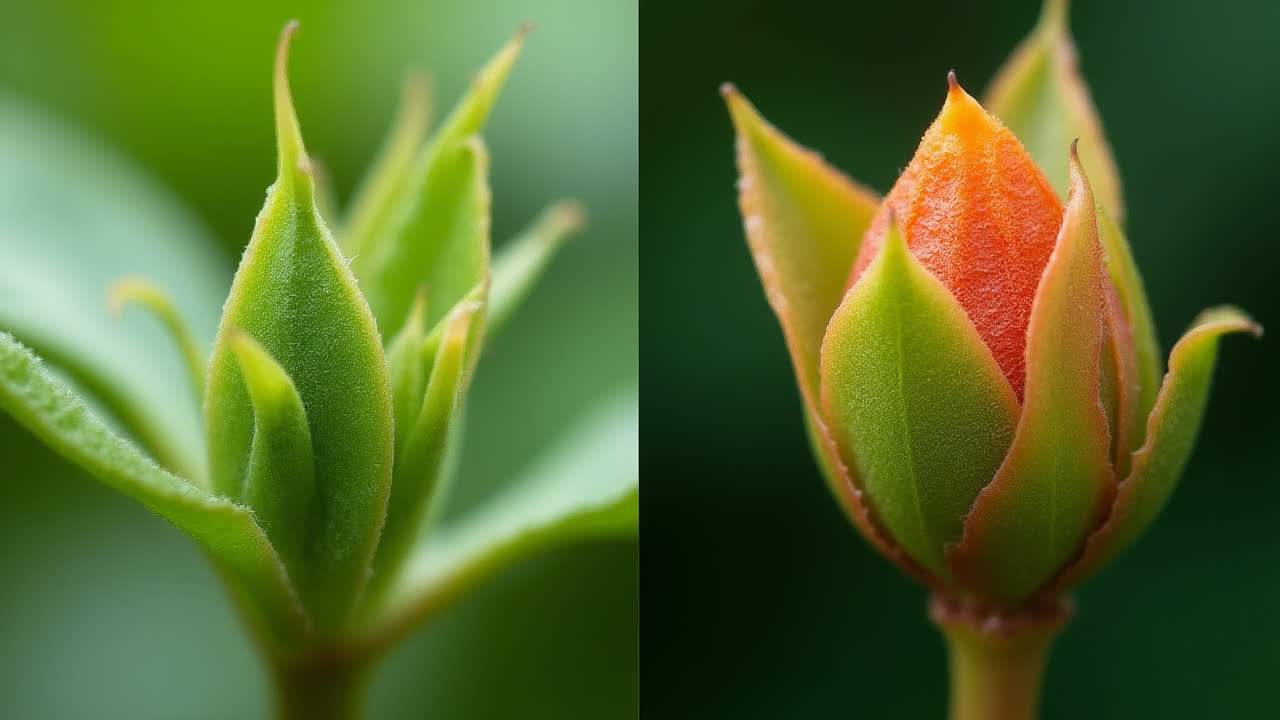
Let's start with stipules – those often-overlooked leaf-like appendages that emerge at the base of leaf petioles. I like to think of them as the plant's bodyguards for emerging leaves. These structures appear in pairs, typically flanking the petiole, and their presence varies greatly among different plant species.
What's really interesting is how stipules change throughout their lifecycle. Some are caducous (falling off before the leaf even unfolds), others are deciduous (dropping after leaf development), and some are persistent (staying attached to the plant). It's like they have different job contracts! In my experience with roses and peas, I've seen all three types perform their protective duties differently.
The appearance of stipules is remarkably diverse. They might show up as tiny glands, protective scales, sharp spines, or even proper leaf-like laminae. Dicots tend to sport them more often than monocots, though there are always exceptions in nature's playbook. Ever noticed those small spiny growths on rose stems? Those are modified stipules doing their protective thing!
Bracts: Nature's Colorful Advertisers
Now, let's talk about bracts – the showstoppers of the plant world. These modified leaves appear at the base of inflorescences and boy, do they know how to make an entrance! Unlike stipules, bracts are primarily concerned with one thing: getting attention for the actual flowers.
I remember the first time I saw a poinsettia and thought those vibrant red "petals" were the actual flowers. Surprise! Those were bracts, and the tiny yellow bits in the center were the real flowers. It's a common mistake, but one that reveals just how effective bracts are at their job.
These modified leaf structures come in all sizes, colors, and textures. They can be larger, smaller, or dramatically different from regular foliage leaves. Think of Bougainvillea with its papery, colorful bracts that outshine the modest flowers. Some plants have such prominent bracts that we often mistake them for the main event!
Location, Location, Location
The primary difference between stipules and bracts really comes down to real estate. Stipules are attached to leaves, appearing at the leaf base where it meets the stem. They're like your home's security system – always there to protect what matters.
Bracts, on the other hand, set up shop at the base of inflorescences. They're the bill boards advertising the flower shop ahead. If you see a leaf-like structure associated with flowers rather than individual leaves, you're probably looking at a bract.
This positional difference affects everything about these structures. While stipules grow out with leaves and follow leaf development patterns, bracts are intimately tied to reproductive development. It's like comparing house security (stipules) to storefront advertising (bracts).
Function: Protection vs. Attraction
The functional differences between these structures are quite striking. Stipules primarily serve a protective role, shielding young leaves as they develop. They can also help reduce water loss and protect against herbivores. Some even contribute to photosynthesis when they're green and leaf-like.
Bracts, however, are all about attraction. Their main job is to make flowers more visible to pollinators. Those bright colors you see? That's chemistry at work – special pigments designed to catch the eye of bees, butterflies, and birds. It's nature's version of a neon sign saying "Pollinate here!"
This functional split explains why bracts often evolve such dramatic colors and shapes. While stipules need to be practical protectors, bracts need to be effective advertisers. It's the difference between wearing armor versus wearing a billboard!
Comparison Table: Stipules vs Bracts
| Feature | Stipules | Bracts |
|---|---|---|
| Location | Base of leaf, beside petiole | Base of inflorescence |
| Primary Function | Protect developing leaves | Attract pollinators to flowers |
| Color | Usually green | Often colorful (red, purple, white) |
| Structural Type | Leaf appendages | Modified leaves |
| Duration Types | Caducous, deciduous, persistent | Generally persistent with flowers |
| Common Examples | Roses, peas, willows | Poinsettia, Bougainvillea |
| Size Range | Usually small to medium | Can be larger than actual flowers |
| Photosynthetic Role | Sometimes photosynthetic | Usually not photosynthetic |
Evolution and Ecological Significance
From an evolutionary perspective, both structures represent fascinating adaptations. Stipules likely evolved as protective mechanisms, helping plants survive in various environments. Their modification into spines, thorns, or glands shows how versatile this adaptation can be.
Bracts evolved alongside pollinating insects, developing into specialized advertising tools. The co-evolution between colorful bracts and pollinators is one of nature's most beautiful partnerships. Think about those huge, showy bracts on tropical plants – they're not just pretty; they're sophisticated pollination systems.
The ecological roles of these structures extend beyond their primary functions. Stipules can influence microclimate around leaves, affecting water retention and temperature regulation. Bracts can provide landing platforms for pollinators and even offer protection to developing seeds in some species.
Practical Identification Tips
Want to spot the difference in your own garden? Here's my foolproof method: If it's associated with an individual leaf, think stipule. If it's hanging out with flowers, it's probably a bract. This simple rule has saved me countless identification headaches!
Pay attention to color too. While stipules tend to be green (though not always), bracts often sport eye-catching colors. Those vibrant reds, purples, or whites you see aren't usually stipules – they're bracts showing off their pollinator-attracting powers.
Remember that some plants have both structures, which can make identification tricky. In these cases, location is your best friend. Stipules stick close to regular leaves, while bracts cluster around reproductive structures.
Frequently Asked Questions
Can a plant have both stipules and bracts?
Absolutely! Many plant species feature both structures. For example, roses have stipules at the base of their leaves and bracts beneath their flowers. Each serves its distinct purpose in different parts of the plant.
Are all colorful parts of flowers actually bracts?
Not necessarily! While many showy parts we think are petals are actually bracts (like in poinsettias and dogwoods), some plants have genuinely colorful true petals. The key difference is their position relative to the actual flower structure.
Do all plants have stipules and bracts?
No, these structures vary greatly among plant species. Some plants lack stipules entirely, others have no bracts, and some feature neither. Their presence depends on the plant's evolutionary history and ecological needs.
Conclusion
Understanding the differences between stipules and bracts opens up a whole new appreciation for plant diversity. While these structures might seem like minor details, they represent important adaptations that help plants thrive and reproduce effectively.
Next time you're admiring flowers in your garden or on a nature walk, take a moment to look for these fascinating structures. Are those colorful parts you're admiring really petals, or are they clever bracts doing their pollinator-attracting dance? The world of plant morphology is full of such delightful surprises!
Whether you're a gardener, botanist, or simply someone who appreciates nature's ingenuity, recognizing stipules and bracts adds another layer to your understanding of plants. These small structures tell big stories about evolution, ecology, and the amazing adaptability of the plant kingdom.