Spring vs Autumn: 8 Essential Differences You Should Know
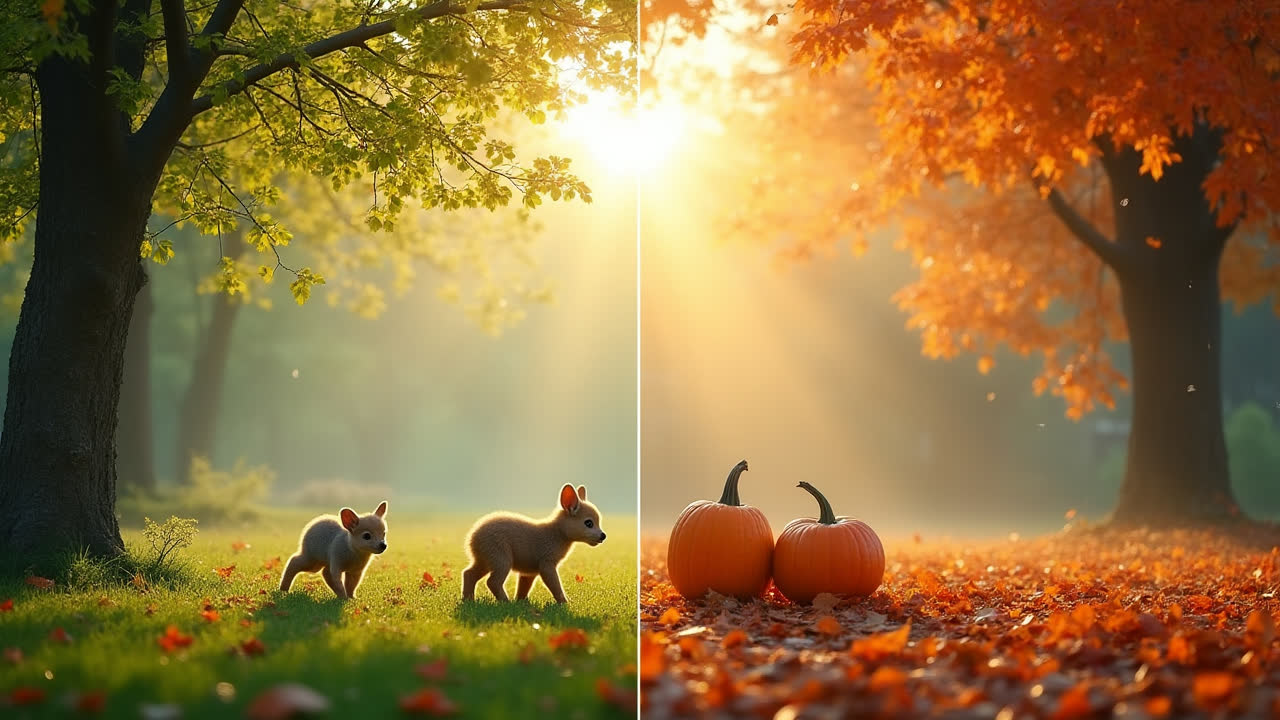
The changing seasons bring a rhythm to our world that affects everything from our daily activities to the natural environment around us. Among these seasonal shifts, spring and autumn stand as fascinating transitional periods, each with its own distinct characteristics and impact. Have you ever wondered why these two seasons feel so different despite both being transitional phases? Let's explore the fascinating world of seasonal changes together.
While both spring and autumn serve as bridges between the extreme temperatures of summer and winter, they create entirely different atmospheres and trigger opposite reactions in nature. Understanding these differences not only satisfies our curiosity but also helps us better appreciate and prepare for the seasonal changes throughout the year.
Understanding Seasonal Transitions: What Defines Spring and Autumn
Seasons occur as a direct result of Earth's tilted axis and its journey around the sun. This tilt means that different parts of our planet receive varying amounts of sunlight throughout the year, creating the distinctive seasonal patterns we experience. But what exactly makes spring and autumn unique?
Spring represents nature's awakening after the dormancy of winter. It marks the period when the hemisphere tilts increasingly toward the sun, resulting in longer days and shorter nights. This gradual warming triggers a cascade of biological responses – from the emergence of new plant growth to increased animal activity.
Autumn, conversely, signals nature's preparation for dormancy. As the hemisphere tilts away from the sun, temperatures begin to drop, and daylight hours gradually decrease. The natural world responds by conserving energy and preparing for the coming winter months – trees shed their leaves, animals prepare for hibernation or migration, and the landscape transforms into a canvas of warm colors.
I've always found it fascinating how these astronomical movements translate into such tangible changes in our everyday lives. The way the angle of sunlight shifts, creating that distinctive golden glow in autumn afternoons or the bright, clear light of spring mornings – these are subtle but profound differences that affect our mood and activities throughout these transitional seasons.
While both seasons serve as bridges between extremes, they move in opposite directions energetically – spring represents an awakening and expansion, while autumn embodies release and contraction. This fundamental difference influences everything from the weather patterns to the psychological impact each season has on us.
Seasonal Timing and Astronomical Significance
The timing of spring and autumn varies depending on your location on Earth. In the Northern Hemisphere, spring typically spans from March to June, while autumn runs from September to December. Meanwhile, the Southern Hemisphere experiences these seasons in reverse – with spring from September to December and autumn from March to June. Isn't it interesting to think that when you're enjoying spring flowers in New York, someone in Sydney might be watching autumn leaves fall?
Astronomically speaking, these seasons are marked by specific events. Spring officially begins with the vernal equinox, when day and night are approximately equal in length. Autumn starts with the autumnal equinox, which similarly features balanced daylight and darkness. These astronomical events have been tracked and celebrated by human cultures for thousands of years, often forming the basis of important cultural festivals and agricultural calendars.
Beyond their scientific definitions, these seasonal transitions hold deep cultural significance across different societies. Spring is often associated with rebirth, renewal, and fertility, inspiring celebrations like Easter, Holi, and Nowruz. Autumn, with its harvest themes, has given rise to traditions like Thanksgiving, Mid-Autumn Festival, and Samhain.
The way we mark these seasonal transitions reflects something fundamental about human experience – our deep connection to the rhythms of the natural world and our need to find meaning in these cyclical changes. Whether through religious observances, secular celebrations, or simply personal rituals, we acknowledge the profound impact these seasonal shifts have on our lives.
Temperature and Weather Patterns: The Feel of Each Season
One of the most immediately noticeable differences between spring and autumn is how they feel when you step outside. Spring brings gradually warming temperatures as the world thaws from winter's grip. There's usually a progressive increase in warmth, though spring weather is notoriously unpredictable – with the potential for sudden temperature swings, thunderstorms, and even late frosts depending on your location.
In my experience, spring days often have a distinctive freshness to them – the air feels clean and new, especially after a gentle rain shower. Morning dew becomes more common, and the humidity begins to rise gradually as the season progresses. The saying "April showers bring May flowers" reflects the typically wetter nature of early spring in many regions, which sets the stage for the explosion of plant growth.
Autumn, by contrast, brings cooling temperatures as summer heat gradually dissipates. The process tends to be more steady and predictable than spring's warming trend. Early autumn often features pleasantly warm days and cool nights – that perfect sweater weather many of us look forward to. As the season progresses, the first frosts appear, and a distinctive crispness enters the air.
Weather patterns in autumn typically include decreasing rainfall in many regions, though this varies significantly by geography. Morning fog becomes more common in many areas, creating those misty, atmospheric landscapes that have inspired countless poems and paintings. Wind patterns often change too, with autumn bringing stronger, more consistent breezes that help scatter falling leaves and carry the distinctive scents of the season.
These temperature and weather differences don't just affect how comfortable we feel outdoors – they influence everything from our energy bills to our clothing choices, outdoor activities, and even our mood. The seasonal transitions serve as natural reminders to adjust our lifestyles in harmony with the changing world around us.
| Comparison Point | Spring | Autumn (Fall) |
|---|---|---|
| Seasonal Timing | After winter, before summer (March-June in Northern Hemisphere) | After summer, before winter (September-December in Northern Hemisphere) |
| Temperature Trend | Gradually warming | Gradually cooling |
| Daylight Hours | Increasing (days getting longer) | Decreasing (days getting shorter) |
| Plant Activity | Budding, blooming, new growth, bright green foliage | Color change, leaf shedding, fruit ripening, dormancy preparation |
| Animal Behavior | Emergence from hibernation, mating, nesting, increased activity | Preparation for hibernation, migration, food gathering, decreased activity |
| Dominant Colors | Fresh greens, pastel flowers (pink, yellow, purple) | Warm tones (red, orange, brown, gold) |
| Agricultural Focus | Planting, preparing soil, early cultivation | Harvesting, preserving, field clearing |
| Symbolic Association | Rebirth, renewal, growth, youth, hope | Transition, maturity, abundance, reflection, preparation |
The Natural World's Response: Plants and Animals
The contrasting effects of spring and autumn on plant life create some of the most visible differences between these seasons. In spring, the plant world awakens with an explosion of new growth. Buds appear on trees and shrubs, eventually unfurling into fresh green leaves. Early-blooming flowers like crocuses, daffodils, and tulips push through the soil, adding splashes of color to the landscape. The dominant color of spring is undoubtedly green – specifically that bright, vibrant green that seems almost luminous in its freshness.
I'll never forget walking through a forest in early spring and noticing how the sunlight filtered through the newly emerging leaves created an almost ethereal green glow throughout the woodland. There's something magical about witnessing this renewal – the delicate unfurling of ferns, the gradual leafing out of tree canopies, and the progression of flowering plants from early bulbs to later blooms like lilacs and roses.
Autumn's effect on plant life is equally dramatic but in the opposite direction. Deciduous trees prepare for winter by shutting down chlorophyll production, revealing the yellow and orange pigments that were masked by green throughout the growing season. Additional chemical changes produce the vibrant reds and purples we associate with autumn foliage. This spectacular color display precedes the shedding of leaves – a strategic energy conservation measure as trees enter dormancy.
The world of fungi comes alive in autumn, with mushrooms sprouting from forest floors and fallen logs after the seasonal rains. Fruits and nuts ripen, providing essential food sources for wildlife preparing for winter. The dominant colors shift dramatically from summer's greens to autumn's palette of reds, oranges, yellows, and browns – creating those iconic landscapes that draw "leaf peepers" to scenic routes throughout the season.
Animal behavior shifts dramatically between these seasons as well. Spring triggers breeding seasons for many species, with birds building nests, amphibians returning to breeding ponds, and mammals giving birth. The dawn chorus of birdsong reaches its peak intensity, with males establishing territories and attracting mates. Insects emerge in increasing numbers, including early pollinators vital to plant reproduction.
In autumn, animals focus on preparation for winter. Some species, like bears and chipmunks, increase their food intake dramatically to build fat reserves for hibernation. Birds form flocks in preparation for migration, often gathering in impressive numbers before their long journeys. Squirrels and other rodents cache nuts and seeds, while insects lay winter-hardy eggs or seek protected spaces to overwinter as adults.
Human Activities and Cultural Significance
The seasonal differences between spring and autumn profoundly influence human activities, from practical necessities to cultural traditions. Spring traditionally marks the beginning of the planting season for farmers and gardeners. The warming soil and increasing daylight create optimal conditions for sowing crops and starting garden projects. This agricultural focus is reflected in spring festivals worldwide that celebrate fertility and new beginnings.
For many people, spring inspires a burst of physical activity after winter's relative confinement. Sports like baseball, cricket, and tennis move outdoors, hiking trails become accessible again, and water activities resume as temperatures rise. There's also the tradition of "spring cleaning" – that urge to refresh our living spaces, open windows, and prepare for the more active months ahead.
Autumn, with its cooling temperatures and earlier sunsets, brings a different energy to human activities. The harvest dominates agricultural work, with the gathering and preserving of crops that will sustain communities through winter. This focus on abundance and preparation is reflected in harvest festivals worldwide, from Thanksgiving to Mid-Autumn Festival.
The return to academic routines occurs in autumn across many countries, with schools and universities beginning new terms. Sports shift toward football, rugby, and other fall athletics. Outdoor activities take on a different character – from apple picking and pumpkin patches to hiking through colorful forests and enjoying the comfortable temperatures for outdoor gatherings before winter arrives.
Culturally, these seasons have inspired distinctive traditions and aesthetics. Spring brings Easter egg hunts, Maypole dances, cherry blossom viewings, and festivals of color like Holi. The fashion world embraces lighter fabrics, floral patterns, and pastel colors. In autumn, we see Halloween celebrations, leaf-peeping road trips, corn mazes, and costume traditions. Fashion turns to layering, warm textures, and the rich "autumn palette" of colors.
The contrasting psychological impacts of these seasons are fascinating too. Spring often brings increased energy, optimism, and forward-looking planning – mirroring nature's expansive growth. Autumn tends to inspire reflection, nostalgia, and inward focus as we prepare for winter's introspective period. These psychological patterns have influenced everything from literature and art to marketing campaigns and product releases.
Health and Wellbeing Considerations
The seasonal transitions of spring and autumn bring distinct challenges and benefits for human health and wellbeing. Spring's increasing pollen counts make it a difficult season for allergy sufferers, with tree pollens dominating early spring, followed by grass pollens in late spring and early summer. The sudden increase in available daylight can disrupt sleep patterns for some people, while benefiting others who experience seasonal affective disorder during winter's darkness.
On the positive side, spring's increased sunlight helps boost vitamin D production, potentially improving mood and immune function after winter's deficiency. The warming temperatures make outdoor exercise more appealing, encouraging increased physical activity. Fresh spring produce like asparagus, peas, and leafy greens become available, offering nutritional benefits after winter's heavier fare.
Autumn brings its own health considerations. Ragweed and mold allergies peak during this season, affecting millions of people. The decreasing daylight can trigger seasonal affective disorder in susceptible individuals, particularly as we approach the winter solstice. Cold and flu season typically begins in autumn, with the return to school and indoor activities facilitating virus transmission.
However, autumn also offers health benefits. The moderate temperatures are ideal for outdoor exercise without summer's heat stress. Seasonal foods like apples, pumpkins, squash, and root vegetables provide excellent nutrition as we transition to colder months. Many people find the routine of returning to more structured schedules beneficial for mental health after summer's relative freedom.
Both seasons require adaptation in self-care routines. Spring often calls for lighter moisturizers, increased sun protection, and adjustments in exercise as temperatures warm. Autumn necessitates more substantial skincare to combat drying conditions, immune-supporting practices as virus season approaches, and mindful attention to mood as daylight decreases.
Understanding these seasonal health patterns allows us to work with, rather than against, the natural cycles. By adjusting our habits to align with seasonal changes, we can better support our overall wellbeing throughout the year's transitions.
Embracing Seasonal Transitions
The distinct characteristics of spring and autumn offer complementary benefits in our annual cycle. Spring brings the energy of renewal, growth, and expansion – pushing us toward new possibilities and fresh starts. Autumn provides the necessary balance of harvest, preparation, and reflection – allowing us to consolidate our experiences before winter's rest.
Rather than favoring one season over another, perhaps there's wisdom in recognizing the value of both transitions. Spring teaches us about optimism, new beginnings, and the potential for growth. Autumn reminds us of the importance of letting go, appreciating abundance, and preparing thoughtfully for challenging periods ahead.
By understanding and embracing these seasonal differences, we can better align our lives with the natural rhythms that have shaped human experience for countless generations. Whether you're a dedicated spring enthusiast or an autumn aficionado, there's beauty and purpose to be found in both of nature's transitional masterpieces.
Frequently Asked Questions About Spring and Autumn
Why do leaves change color in autumn but not in spring?
Leaves change color in autumn because trees stop producing chlorophyll (the green pigment) as daylight decreases and temperatures drop. This reveals yellow and orange carotenoids that were present but masked by green chlorophyll all along. Additionally, some trees produce new red and purple pigments (anthocyanins) in autumn. In spring, trees simply produce fresh chlorophyll as they grow new leaves, resulting in predominantly green foliage rather than a color change process.
Which season has more unpredictable weather, spring or autumn?
Spring generally experiences more unpredictable weather patterns than autumn. This is because spring involves the clash between retreating cold air masses and advancing warm air, creating more atmospheric instability. This clash often results in rapid temperature fluctuations, sudden storms, and the potential for severe weather in many regions. Autumn typically features a more gradual, consistent cooling pattern as summer heat dissipates, though exceptions exist depending on geographic location and specific climate patterns.
Do all countries experience spring and autumn the same way?
No, spring and autumn are experienced differently worldwide due to several factors. Geographic location is the primary determinant—countries in the Southern Hemisphere experience these seasons at opposite times of year compared to the Northern Hemisphere. Proximity to the equator reduces seasonal differences, with tropical regions often experiencing wet and dry seasons rather than traditional spring and autumn. Local climate conditions, elevation, and proximity to large bodies of water also significantly influence how these transitional seasons manifest in different countries, leading to varied experiences of temperature changes, precipitation patterns, and natural phenomena.