Sphincter vs Valve: 8 Critical Differences You Should Know
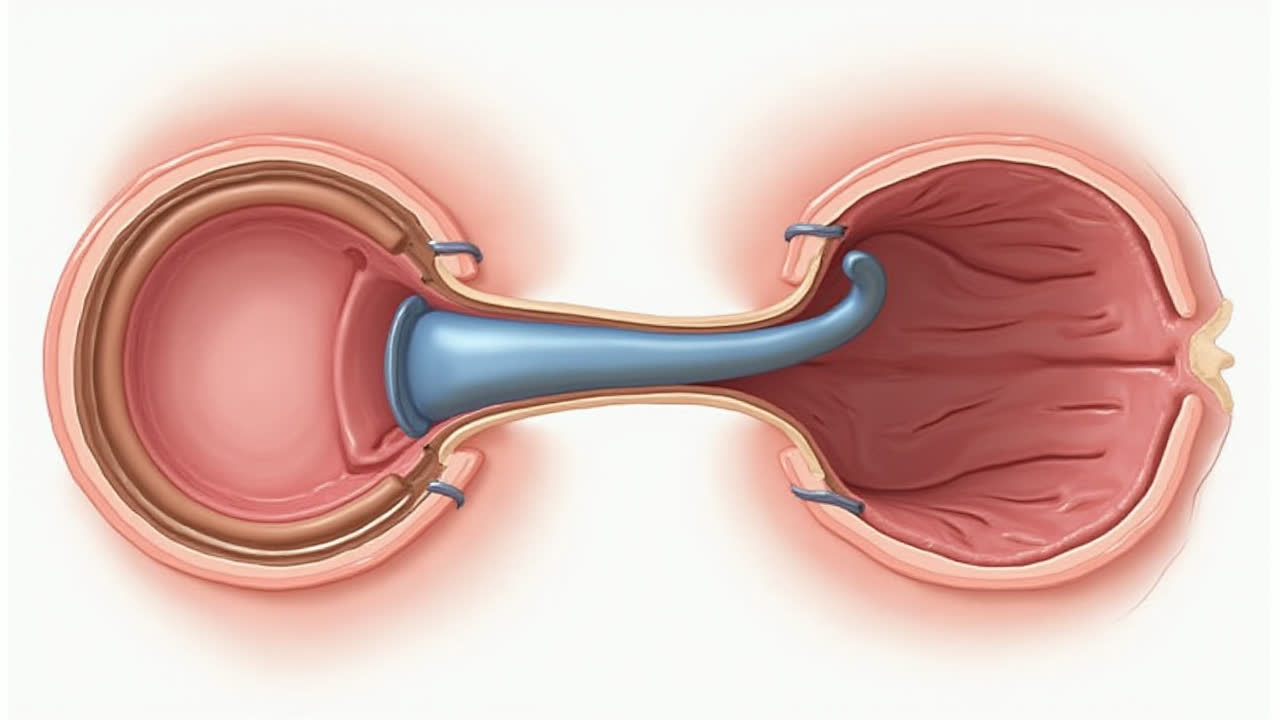
Have you ever wondered how your body manages to control the flow of various substances through its complex network of passages? The human body is a marvel of biological engineering, utilizing sphincters and valves as crucial gatekeepers that regulate the movement of fluids, gases, and other materials. While they both serve similar purposes, understanding the fundamental differences between these two anatomical structures can provide fascinating insights into how our bodies function.
Our bodies contain approximately 50 different types of sphincters and numerous valves, each playing a vital role in maintaining physiological harmony. From preventing acid reflux to ensuring blood flows in the right direction, these structures work tirelessly throughout our lives. Let's dive into what makes sphincters and valves unique, how they function, and why knowing the difference matters for our understanding of human anatomy and certain medical conditions.
What Is a Sphincter?
A sphincter is a specialized ring-shaped muscle that can contract or relax to close or open a passage or orifice in the body. Think of a sphincter as a dynamic, muscular gate that can actively tighten or loosen depending on the body's needs. These circular muscles are strategically positioned at the entrances and exits of hollow organs and play crucial roles in multiple body systems including digestive, urinary, and reproductive.
What makes sphincters particularly interesting is their varying degrees of control. Some sphincters function completely involuntarily, responding to automatic signals from your nervous system. Others operate under partial voluntary control, and a few can be consciously controlled. For example, the external anal sphincter can be voluntarily controlled, allowing us to decide when to release waste, while the lower esophageal sphincter works automatically to prevent stomach acid from flowing back into the esophagus.
Common examples of sphincters in the human body include the anal sphincter, pyloric sphincter (between stomach and small intestine), urethral sphincter, and the lower esophageal sphincter. Each of these muscular rings serves as a gatekeeper, allowing material to pass when relaxed and preventing flow when contracted. The size of these structures varies considerably throughout the body, with some being large and easily visible while others are microscopic in nature.
What Is a Valve?
Valves are membranous structures found primarily in the heart, veins, and lymphatic vessels that function as one-way doors, allowing substances to flow in only one direction. Unlike sphincters, valves don't actively contract or relax. Instead, they open and close passively in response to pressure changes and the direction of flow. This passive mechanism is brilliantly efficient, requiring no energy expenditure from the body to maintain function.
The structure of valves typically consists of two or three flap-like tissues called leaflets (or cusps), which are supported by a ring-shaped structure known as the annulus. These leaflets act like swinging doors that open when pressure pushes substances in the intended direction and close when pressure would force substances backward. This design creates an effective seal that prevents backflow and ensures efficient circulation throughout the body.
The heart contains several critical valves, including the tricuspid valve (between right atrium and ventricle), mitral valve (between left atrium and ventricle), aortic valve, and pulmonary valve. Additionally, countless smaller valves line our veins, especially in the legs, where they play the crucial role of fighting gravity to help blood return to the heart. Without these venous valves, standing up would be nearly impossible as blood would pool in our lower extremities.
Key Differences Between Sphincters and Valves
While both sphincters and valves regulate the flow of substances in the body, they differ significantly in their structure, mechanism of action, and location. Understanding these differences is not merely an academic exercise—it has practical implications for recognizing and addressing various health conditions.
| Comparison Factor | Sphincter | Valve |
|---|---|---|
| Basic Structure | Ring-shaped muscle | Membranous flaps (leaflets) |
| Action Mechanism | Active contraction and relaxation | Passive opening and closing due to pressure differences |
| Energy Requirement | Requires energy for muscle contraction | No energy required; works passively |
| Primary Locations | Entrances/exits of hollow organs (digestive tract, urinary system) | Heart, veins, lymphatic vessels |
| Control Type | Can be voluntary, involuntary, or mixed depending on location | Always involuntary |
| Flow Regulation | Can completely stop flow in both directions when contracted | Allows flow in one direction; prevents backflow |
| Example Disorders | Achalasia, GERD, incontinence | Valvular stenosis, valve prolapse, regurgitation |
| Treatment Approaches | Often involves muscle relaxants, surgery, or behavioral therapy | Typically requires valve repair or replacement |
Common Disorders Associated with Sphincters and Valves
When these regulatory structures malfunction, various health problems can arise. Sphincter disorders often manifest as either excessive tightness or insufficient closure. For instance, achalasia occurs when the lower esophageal sphincter fails to relax properly, making swallowing difficult. On the other end of the spectrum, gastroesophageal reflux disease (GERD) develops when the same sphincter doesn't close tightly enough, allowing stomach acid to flow backward into the esophagus.
Valve disorders present different challenges. Valvular stenosis occurs when valve leaflets become stiff or fused, narrowing the opening and restricting flow. Valvular insufficiency (or regurgitation) happens when valves don't close properly, allowing backflow. Valve prolapse refers to a condition where valve leaflets bulge backward, potentially preventing proper closure. These conditions can significantly impact heart function and overall circulation.
Treatment approaches differ based on whether a sphincter or valve is involved. Sphincter issues might be addressed with muscle relaxants, specialized exercises, or in some cases, surgical intervention to adjust muscle tension. Valve problems, particularly in the heart, often require more invasive treatments such as valve repair or replacement procedures. Understanding the fundamental differences between these structures helps medical professionals develop appropriate treatment strategies for each type of disorder.
Similarities Between Sphincters and Valves
Despite their differences, sphincters and valves share several important similarities. Both structures serve as regulatory mechanisms that control the movement of substances through passages in the body. They both prevent unwanted backflow, though they accomplish this through different mechanisms. Additionally, both play crucial roles in maintaining homeostasis and proper functioning of various body systems.
Neither structure works in isolation. Both sphincters and valves function as parts of larger physiological systems, working in coordination with other components to achieve proper timing and direction of flow. For example, in the digestive system, various sphincters coordinate with peristaltic waves to move food through the gastrointestinal tract. Similarly, heart valves work in perfect synchrony with heart muscle contractions to ensure efficient blood circulation.
Perhaps most importantly, dysfunction in either sphincters or valves can lead to significant health problems that affect quality of life. From the discomfort of acid reflux caused by sphincter issues to the life-threatening implications of severe heart valve disease, these regulatory structures demand proper function for our well-being. This shared importance underscores why medical professionals place such emphasis on understanding and treating disorders affecting these anatomical gatekeepers.
Frequently Asked Questions
Can sphincters and valves work together in the same body system?
Yes, sphincters and valves often work together within the same body systems. For example, in the digestive system, the pyloric sphincter regulates food passage from the stomach to the small intestine, while one-way valves in the intestinal walls help prevent backward movement of food. Similarly, in the cardiovascular system, the heart valves ensure blood flows in one direction, while vascular sphincters in small arteries help regulate blood pressure and distribution to different tissues. This complementary relationship allows for precise control of substance flow throughout the body.
Are all sphincters under voluntary control?
No, not all sphincters are under voluntary control. Sphincters in the human body can be classified into three categories based on control: involuntary (controlled automatically by the autonomic nervous system), voluntary (under conscious control), and mixed (having both voluntary and involuntary components). Examples of involuntary sphincters include the lower esophageal sphincter and pyloric sphincter. The external anal sphincter and external urethral sphincter are examples of sphincters with voluntary control. The internal anal sphincter demonstrates mixed control, functioning automatically but capable of being influenced by conscious effort.
Can damaged heart valves be replaced with artificial sphincters?
No, damaged heart valves cannot be replaced with artificial sphincters because the two structures function through fundamentally different mechanisms. Heart valves operate passively using pressure gradients and blood flow direction, while sphincters require active muscle contraction. When heart valves need replacement, they are substituted with either biological valves (from human donors or animals) or mechanical valves specifically designed to mimic the passive one-way flow mechanism of natural heart valves. Artificial sphincters, however, are used in different contexts, such as for treating severe urinary incontinence, where active contraction and relaxation are necessary.
Conclusion
The distinction between sphincters and valves represents a fascinating example of how evolution has developed different solutions to similar challenges in the human body. While both structures regulate flow, they do so through distinct mechanisms: sphincters through active muscular contraction and valves through passive flap-like actions. These differences are not merely academic but have profound implications for understanding human physiology and treating various medical conditions.
Next time you think about how your body maintains its intricate balance, remember these unsung heroes working tirelessly throughout your systems. From preventing acid reflux while you sleep to ensuring blood flows upward against gravity when you stand, sphincters and valves are essential components of our physiological machinery. Their proper function is something we often take for granted—until something goes wrong.
Understanding the key differences between these regulatory structures provides valuable insights not only for medical professionals but for anyone interested in how their body works. After all, knowledge of our internal workings helps us make better decisions about our health and appreciate the remarkable complexity of human anatomy.