Ristretto vs Espresso vs Lungo: Understanding Coffee's Intensity Spectrum
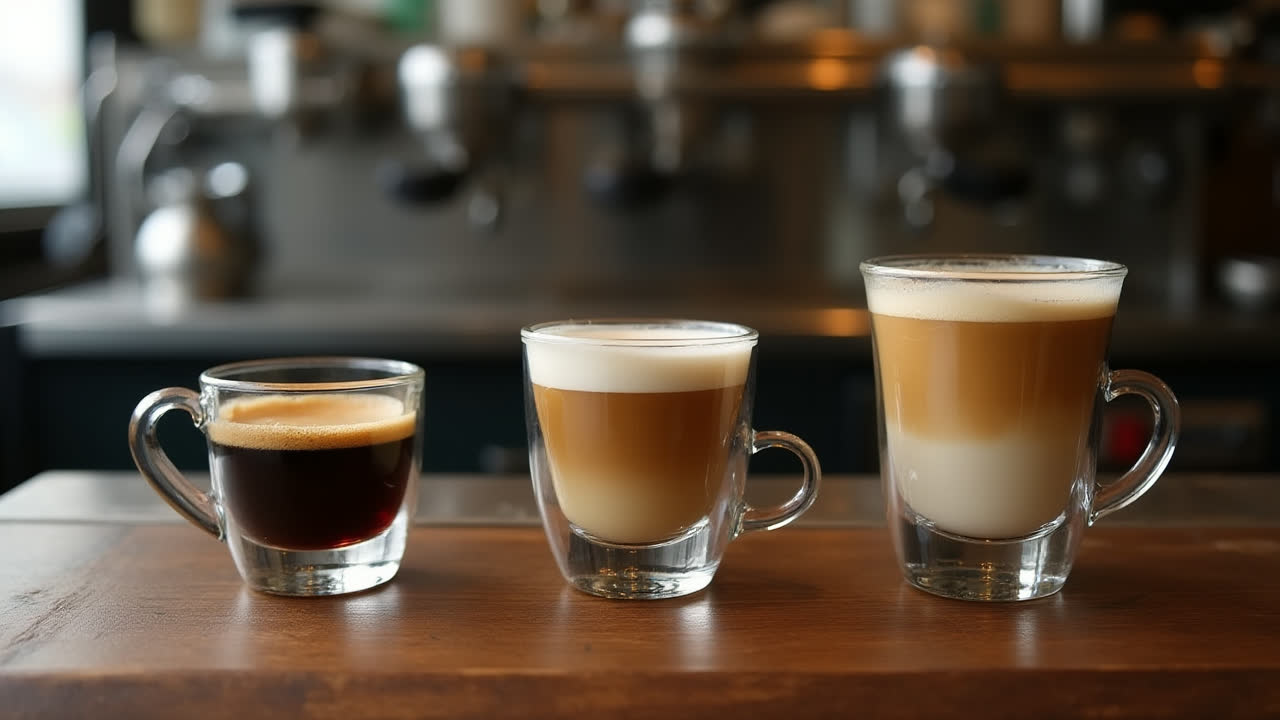
Have you ever stood in line at your local coffee shop, overwhelmed by the variety of espresso-based drinks on the menu? You're not alone. The world of ristretto, espresso, and lungo can seem mysterious to even seasoned coffee drinkers. These Italian coffee variations may look similar in your cup, but the differences in preparation, flavor profile, and caffeine content create entirely distinct experiences.
I've spent years exploring these coffee variations, and I'm still amazed by how such subtle differences in water ratio can transform the entire drinking experience. Yesterday, I ordered a ristretto just to remind myself of its intense sweetness – something that never fails to surprise me compared to my usual espresso.
In this comprehensive guide, we'll break down everything you need to know about these coffee variations. Whether you're a coffee enthusiast looking to expand your knowledge or simply curious about what makes each drink unique, you'll discover the fascinating nuances that set ristretto, espresso, and lungo apart from each other.
The Espresso Family: An Overview
Before we dive into the specifics, it's helpful to understand that ristretto, espresso, and lungo all belong to the same coffee family. They share the same basic preparation method – forcing hot pressurized water through finely-ground coffee beans. The key difference? The amount of water used during extraction.
Espresso serves as the baseline, the standard from which ristretto and lungo diverge. Think of these three as siblings – related but with distinct personalities. Espresso stands as the most widely consumed and recognized of the three, forming the foundation for popular drinks like cappuccinos, lattes, and Americanos.
What's fascinating is how dramatically the coffee experience changes just by adjusting the water content. It's not simply about strength or volume – the entire flavor profile transforms. The extraction process pulls different compounds from the coffee grounds at different stages, which explains why these variations taste so unique despite using identical beans.
I remember my first coffee tour in Italy where the barista demonstrated all three side by side. The visual difference wasn't dramatic – three small cups with varying amounts of dark liquid – but the taste experience was like sampling three entirely different beverages. That moment changed how I understood coffee forever.
What is Ristretto? The Concentrated Essence
Ristretto, which literally means "restricted" in Italian, is the most concentrated member of the espresso family. A ristretto uses half the water content of a standard espresso while maintaining the same amount of coffee grounds. Typically, a ristretto recipe contains about 7 grams of coffee extracted with just 12.5-15ml of water.
This limited water extraction creates a highly concentrated coffee with a distinctively sweet flavor profile. Contrary to what you might expect, ristretto actually contains less caffeine than a standard espresso. Why? Because the extraction time is shorter, and caffeine is one of the last compounds to be fully extracted from coffee grounds.
What makes ristretto special is its rich, intense sweetness. When you extract coffee, the sweeter compounds come out first, followed by more acidic and bitter elements. By restricting the water, you're essentially capturing only the initial, sweeter phase of extraction. The result is a concentrated shot with remarkably low bitterness and high sweetness.
The texture of a ristretto is notably thicker and more syrupy than espresso. Its reduced volume means you're getting a more concentrated coffee experience – think of it as espresso's more intense, sweeter cousin. The crema (that golden-brown foam on top) tends to be thicker and more pronounced in a well-prepared ristretto.
I've found ristretto to be particularly enjoyable after a meal when I want the rich coffee flavor without the higher caffeine kick of a full espresso. It's also perfect when you want to appreciate the nuanced sweetness of specialty coffee beans – the restricted extraction really highlights the bean's natural sweetness in a way that longer extractions sometimes miss.
What is Espresso? The Classic Standard
Espresso stands as the foundation of modern coffee culture and the standard against which both ristretto and lungo are measured. A typical espresso recipe uses approximately 7 grams of coffee extracted with about 25-30ml of water. This preparation creates the perfect balance of flavor, aroma, and caffeine content that coffee lovers around the world have come to expect.
The defining characteristics of espresso include its balanced flavor profile, pronounced crema, and concentrated nature. Properly brewed espresso should offer a harmonious blend of sweetness, acidity, and bitterness – though the specific notes will vary depending on the coffee beans used. The extraction time for espresso typically ranges between 25-30 seconds, allowing for a comprehensive extraction of flavors.
Espresso serves as more than just a standalone beverage; it's the foundation for countless coffee drinks. From americanos to lattes, cappuccinos to macchiatos – espresso forms the base of most café menus worldwide. Its versatility stems from its balanced flavor profile that can both stand alone and complement other ingredients.
What many people don't realize is that espresso isn't just a type of coffee; it's a specific brewing method. The defining feature is the pressure – typically 9 bars – used to force hot water through finely-ground coffee. This pressure-brewing method extracts flavors differently than drip or pour-over methods, creating that distinctive espresso character.
I've often found that espresso offers the most versatile coffee experience. When I'm trying a new coffee roast, I'll usually sample it as an espresso first to get a comprehensive taste of what the beans have to offer. It's like the baseline reading that helps me understand what I'm working with before exploring ristretto or lungo variations.
What is Lungo? The Extended Extraction
Lungo, meaning "long" in Italian, sits at the opposite end of the spectrum from ristretto. A lungo uses double the amount of water compared to a standard espresso while maintaining the same quantity of coffee grounds. A typical lungo recipe contains 7 grams of coffee extracted with approximately 50ml of water.
This extended extraction creates a larger volume of coffee with a distinctly different flavor profile. Because the water continues to extract compounds from the coffee grounds for a longer period, lungo tends to feature more of the bitter and acidic notes that come later in the extraction process. The result is a coffee that's less sweet than both ristretto and espresso, with more pronounced bitterness and depth.
Contrary to common assumptions, lungo actually contains less caffeine per volume than espresso or ristretto. While the total caffeine content might be comparable to espresso due to the longer extraction time, the larger volume means this caffeine is more diluted. If you're looking to reduce your caffeine intake while still enjoying a full-sized coffee experience, lungo might be your ideal choice.
The texture of lungo is notably thinner than both ristretto and espresso, with a less pronounced crema. Some coffee enthusiasts describe lungo as having a more "complete" flavor profile because it extracts nearly everything the bean has to offer – from the initial sweet compounds to the later bitter elements.
I've found lungo particularly enjoyable in the morning when I want a slightly larger coffee that I can sip for longer. The more complex, sometimes challenging flavor profile also makes it an interesting pairing with breakfast pastries, as the contrasting bitterness can balance out sweetness beautifully. On particularly busy mornings, I appreciate that I can enjoy it a bit more slowly than the quicker experiences of ristretto or espresso.
Ristretto vs Espresso vs Lungo: Detailed Comparison
| Feature | Ristretto | Espresso | Lungo |
|---|---|---|---|
| Water Amount | 12.5-15ml (half of espresso) | 25-30ml (standard) | 50ml (double of espresso) |
| Coffee Grounds | 7g (same as espresso) | 7g (standard) | 7g (same as espresso) |
| Extraction Time | 15-20 seconds | 25-30 seconds | 35-40 seconds |
| Flavor Profile | Sweet, intense, low bitterness | Balanced sweet, acidic, bitter | More bitter, less sweet, deeper notes |
| Caffeine Content* | Lower (30-40mg) | Medium (60-80mg) | Lower per volume (60-80mg total) |
| Texture | Very thick, syrupy | Thick, velvety | Thinner, more watery |
| Crema | Thick, pronounced | Medium thickness | Thinner, less pronounced |
| Best For | Appreciating bean sweetness | Versatile use, balanced flavor | Lower caffeine, longer enjoyment |
*Caffeine content can vary based on coffee bean type and roast level
Brewing Methods and Techniques
Creating the perfect ristretto, espresso, or lungo goes beyond simply adjusting water volume. Each variation requires specific brewing techniques to achieve optimal results. While all three use the same basic equipment – an espresso machine with sufficient pressure – the details of preparation make all the difference.
For ristretto, the key is using a finer grind than you would for standard espresso. This finer grind creates more resistance to the water flow, which helps achieve proper extraction despite the reduced water volume. The shot should be cut short – around 15-20 seconds compared to espresso's 25-30 seconds. Some baristas also prefer a slightly higher water temperature for ristretto to ensure proper extraction of flavors in the shortened time frame.
Espresso preparation serves as the baseline. A medium-fine grind, 25-30 seconds of extraction time, and water at approximately 200°F (93°C) create the standard shot. The pressure should remain consistent at about 9 bars throughout the extraction. The resulting shot should have a golden-brown crema on top – a sign of proper extraction.
For lungo, the grind should be slightly coarser than for espresso. This reduces resistance and allows the increased water volume to flow through at an appropriate rate. The extraction time extends to about 35-40 seconds. Some machines have dedicated lungo buttons that automatically adjust these parameters, but manual adjustment offers more control over the final product.
I've experimented with these variations extensively at home, and I've found that the grind adjustment makes the biggest difference in quality. When I first tried making ristretto without adjusting to a finer grind, the result was under-extracted and sour. Similarly, my first lungo attempts using espresso grind settings produced over-extracted, harshly bitter results. Getting the grind right transformed the experience completely.
Choosing the Right Variation for Your Taste
With a clear understanding of the differences between ristretto, espresso, and lungo, how do you decide which is right for you? The answer depends on your personal preferences for flavor, caffeine sensitivity, and how you typically enjoy your coffee.
If you appreciate intense sweetness and concentrated flavor with minimal bitterness, ristretto might be your ideal choice. It's perfect for those who want to experience the purest expression of a coffee bean's sweetness. Ristretto also works well when you want the rich flavor of coffee without the higher caffeine content of a full espresso shot.
Espresso offers the most versatile experience. Its balanced flavor profile makes it enjoyable both as a standalone beverage and as the foundation for milk-based drinks. If you're new to the world of espresso variations, this is the perfect starting point. The standard espresso also provides the most consistent experience across different coffee shops and cultures.
Lungo appeals to those who prefer a larger volume coffee with complex, deeper flavor notes. Its extended extraction highlights different aspects of the coffee bean than either ristretto or espresso. Lungo can be particularly enjoyable for slow sipping and savoring, making it ideal for more contemplative coffee moments.
Don't be afraid to experiment based on the coffee beans you're using. Some single-origin beans shine brilliantly as ristretto, highlighting their natural sweetness, while others may reveal fascinating complexity as lungo. Part of the joy of coffee appreciation is discovering how different beans respond to different extraction methods.
Personally, I find my preference changes with the time of day and the specific beans I'm using. In the morning, I often prefer the balanced approach of espresso. After lunch, a sweet ristretto provides the perfect accent to end a meal. And on weekend mornings when I have time to savor my coffee slowly, lungo can be a delightful companion to a leisurely breakfast.
Frequently Asked Questions
Is ristretto stronger than espresso in terms of caffeine?
Contrary to what many people believe, ristretto actually contains less caffeine than a standard espresso. This is because caffeine is one of the last compounds to be extracted from coffee grounds during the brewing process. Since ristretto uses less water and has a shorter extraction time, less caffeine makes it into the final cup. However, ristretto does have a more concentrated flavor, which might give the impression of greater strength. If you're looking for maximum caffeine content, a standard espresso would provide more caffeine than ristretto.
Can I make ristretto or lungo without an espresso machine?
While an espresso machine provides the optimal pressure for preparing authentic ristretto, espresso, and lungo, you can create reasonable approximations with alternative brewing methods. A Moka pot can produce a concentrated coffee similar to espresso, which you can then adjust for ristretto (by using less water) or lungo (by adding more water). AeroPress also offers a decent alternative, especially when using the inverted method with fine grounds and adjusting the water ratio accordingly. However, these methods won't replicate the exact pressure and extraction characteristics of a proper espresso machine, so the results will be similar but not identical to authentic espresso variations.
Which coffee beans work best for ristretto, espresso, and lungo?
The ideal coffee beans for each variation depend on the flavor profile you're seeking. For ristretto, beans with natural sweetness and low acidity work beautifully – try single-origin beans from Ethiopia or Colombia with fruity or chocolate notes. For standard espresso, medium to dark roasted blends with good balance between sweetness and bitterness perform well – traditional Italian espresso blends typically contain a mix of Arabica and Robusta beans for complexity and crema. For lungo, beans that can withstand longer extraction without becoming excessively bitter are ideal – medium roasts from Central America often provide good results. Experiment with different origins and roast levels to discover your personal preferences for each variation.
The Final Sip: Embracing Coffee's Versatility
The beauty of the espresso family – ristretto, espresso, and lungo – lies in how three variations with the same ingredients can create such distinctly different experiences. These differences highlight coffee's remarkable versatility and the importance of preparation method in the final cup.
Whether you prefer the sweet intensity of ristretto, the balanced profile of espresso, or the complex depth of lungo, understanding these variations opens up new dimensions in your coffee appreciation journey. Don't be afraid to communicate your preference to your barista or experiment with different preparations at home.
Remember, there's no "correct" choice among these three – only personal preference. The perfect coffee is simply the one that brings you the most enjoyment. So next time you order, consider venturing beyond your usual choice to explore the full spectrum of what espresso-based coffee has to offer.