Primary Cell Culture vs Cell Line: Key Differences for Biotechnology
In the fascinating world of biotechnology and cellular research, primary cell culture and cell line represent two fundamental approaches to growing cells outside their natural environment. While both techniques have revolutionized how scientists study cellular behavior, disease mechanisms, and drug development, they differ significantly in their characteristics and applications. Have you ever wondered why some researchers prefer using primary cells while others rely on established cell lines?
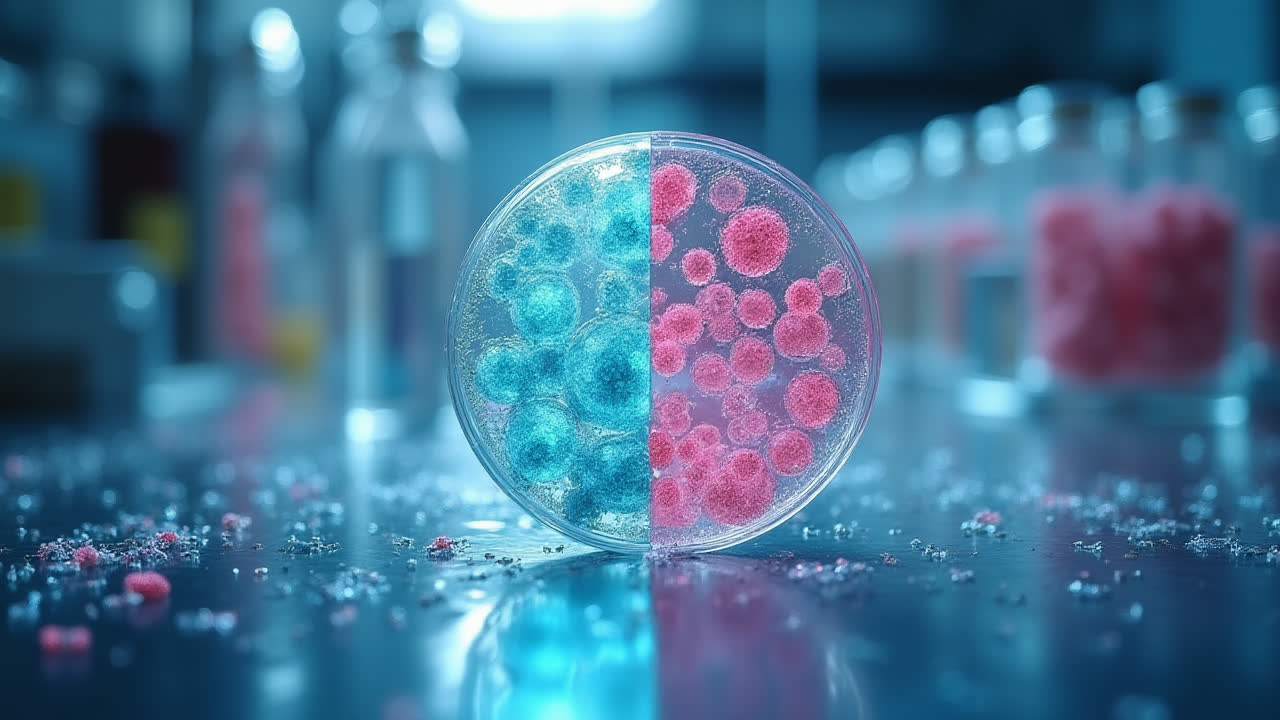
Understanding the difference between primary cell culture and cell line is crucial for researchers when selecting the most appropriate model for their specific experimental needs. Primary cell cultures directly reflect the in vivo conditions and retain most of the original characteristics of the parent tissue, while cell lines offer consistency and unlimited supply through their immortalized nature. This article explores the distinct features, advantages, limitations, and applications of these two vital cell culture methods.
What Is Primary Cell Culture?
Primary cell culture involves the direct isolation and cultivation of cells from animal or plant tissues through enzymatic or mechanical dissociation methods. These freshly isolated cells maintain most of the physiological characteristics and functions of the original tissue, making them excellent models for studying normal cellular behavior and responses. Epithelial cells, fibroblasts, endothelial cells, keratinocytes, and melanocytes are common examples of primary cell cultures widely used in research settings.
The process of establishing a primary cell culture begins with careful selection and preparation of the source tissue. After isolation, these cells are maintained in suitable culture media supplemented with specific growth factors and nutrients required for their survival and proliferation. What makes primary cultures unique is that they retain the same karyotype (chromosomal composition) as the parent tissue, ensuring genetic similarity to the original biological system.
Based on their growth patterns, primary cell cultures can be classified into two main types: suspension cultures and adherent cultures. Suspension cultures contain cells that float freely in the culture medium, typically seen with blood cells. In contrast, adherent cultures involve cells that attach to the culture vessel surface, such as fibroblasts and epithelial cells. Primary cells are particularly demanding and require optimized growth conditions with specific cytokines and growth factors to propagate successfully.
Despite their valuable attributes, primary cell cultures face a significant limitation: their finite lifespan. As these cells divide in culture, they gradually exhaust available nutrients, accumulate toxic metabolites, and eventually reach a state known as senescence where they cease to divide further. This limited lifespan restricts the duration and scope of experiments that can be performed with primary cultures. Wouldn't it be convenient if these cells could be maintained indefinitely?
What Is a Cell Line?
A cell line represents the next evolutionary step in cell culture technology – it's essentially the first subculture obtained from a primary culture that has undergone specific modifications enabling unlimited growth potential. Unlike primary cultures with their limited lifespan, cell lines possess immortality, allowing them to proliferate indefinitely under appropriate laboratory conditions. This immortalization occurs either through random mutations or deliberate genetic modifications, such as the artificial expression of the telomerase gene.
The most famous example of a cell line is HeLa, derived from cervical cancer cells taken from Henrietta Lacks in 1951. These cells continue to be widely used in scientific research even today, demonstrating the remarkable longevity and utility of established cell lines. Due to their indefinite lifespan, cell lines can be maintained through serial passaging (transferring a portion of cells to fresh culture medium), enabling continuous cell propagation for extended experimental work.
Tumor cells can often be directly grown as cell lines because they have already acquired immortality through mutations that allow them to bypass normal cell cycle checkpoints. This characteristic makes cell lines particularly valuable for cancer research, providing consistent models for studying malignant cell behavior and testing potential therapeutic agents. However, the genetic modifications that confer immortality also result in chromosomal abnormalities when compared to the parent tissue.
While cell lines may not perfectly replicate all aspects of in vivo cellular behavior due to these genetic alterations, they offer unparalleled advantages in terms of experimental consistency, ease of handling, and cost-effectiveness. These qualities make cell lines indispensable tools in various research fields, from basic science to drug discovery and development. The ability to maintain identical cell populations over extended periods enables reproducible experiments across different laboratories worldwide.
Key Similarities Between Primary Cell Culture and Cell Line
Before diving deeper into their differences, it's worth noting that primary cell cultures and cell lines share several important commonalities. Both techniques involve cells removed from animal or plant tissues grown in artificially controlled environments. They require specialized culture media containing essential nutrients, growth factors, and environmental conditions optimized for cell survival and proliferation.
Additionally, both primary cultures and cell lines serve as invaluable in vitro models for studying cellular processes, disease mechanisms, and drug responses outside the complexity of whole organisms. These techniques have revolutionized biomedical research by providing accessible systems for investigating human biology and pathology without the ethical concerns associated with direct human experimentation. Researchers in both pharmaceutical development and academic settings rely heavily on these cellular models.
Primary Cell Culture vs Cell Line: Detailed Comparison
| Characteristic | Primary Cell Culture | Cell Line |
|---|---|---|
| Origin | Directly isolated from donor tissue | Derived from primary culture after immortalization |
| Genetic Makeup | Same as parent tissue | Modified compared to parent tissue |
| Lifespan | Limited (finite) | Unlimited (immortalized) |
| Maintenance | Difficult to passage | Can be maintained through serial passaging |
| In Vivo Representation | Good in vivo model | Less representative of in vivo conditions |
| Donor Characteristics | Retains donor characteristics | Often loses donor-specific traits |
| Functionality | Closely resembles parent tissue function | May have altered functional properties |
| Experimental Consistency | Variable between preparations | Provides consistent experimental results |
Applications and Importance in Research
The choice between primary cell culture and cell line largely depends on the specific research objectives. Primary cell cultures excel in studies focusing on normal cellular physiology, immunology, vaccination development, and inflammation research. Their close resemblance to in vivo function makes them ideal for investigating cellular responses in conditions that closely mimic the natural environment. When authenticity of cellular behavior is paramount, primary cultures are often the preferred choice despite their technical challenges.
On the other hand, cell lines shine in applications requiring large-scale, consistent cell populations over extended periods. They are particularly valuable in cancer research, high-throughput drug screening, protein production, and the study of cellular processes that don't necessitate perfect replication of in vivo conditions. The uniformity of cell lines allows for reproducible results across multiple experiments and laboratories, a crucial factor in scientific verification and drug development pipelines.
Biotechnology companies often utilize cell lines for commercial applications such as recombinant protein production, vaccine manufacturing, and toxicity testing. The predictable growth patterns and genetic stability of established cell lines make them ideal for standardized production processes where consistency is essential. Meanwhile, personalized medicine researchers might prefer primary cultures derived from individual patients to study disease mechanisms and treatment responses in a patient-specific context.
Frequently Asked Questions
What are the advantages of using primary cell cultures over cell lines?
Primary cell cultures offer several advantages including better representation of in vivo conditions, retention of original tissue characteristics, maintenance of normal cellular functions, preservation of donor-specific traits, and more accurate reflection of physiological responses. These qualities make them invaluable for studies requiring authentic cellular behavior, such as drug metabolism investigations, toxicity assessments, and personalized medicine applications. However, they require more specialized handling and have a limited lifespan compared to cell lines.
How are cells immortalized to create cell lines?
Cells can be immortalized through various methods to create continuous cell lines. These include: (1) Viral transformation, where viruses like Epstein-Barr virus or SV40 introduce genes that override normal cell cycle controls; (2) Telomerase activation, involving the artificial expression of the hTERT gene to prevent telomere shortening; (3) Spontaneous mutations that naturally allow cells to bypass senescence; and (4) Fusion with cancer cells to transfer immortality properties. These techniques prevent cells from entering senescence, allowing them to divide indefinitely in culture.
What ethical considerations are associated with primary cell cultures and cell lines?
Ethical considerations in cell culture work include informed consent for tissue donation, privacy concerns regarding genetic information, ownership of derived cell lines, commercial rights to discoveries, and cultural sensitivities around human tissue use. The HeLa cell line controversy highlighted these issues, as these cells were taken from Henrietta Lacks without her knowledge or consent in 1951. Modern research ethics now emphasize transparent consent processes, clear communication about potential commercialization, and respect for donor autonomy. Researchers must balance scientific advancement with ethical responsibilities toward tissue donors.
Conclusion
The difference between primary cell culture and cell line represents a fundamental choice in cellular research methodology. Primary cell cultures offer authenticity at the cost of limited lifespan and technical complexity, while cell lines provide convenience, consistency, and indefinite availability at the expense of some in vivo relevance. Rather than viewing these approaches as competing alternatives, modern researchers often employ them as complementary tools, selecting the most appropriate model based on specific experimental requirements.
As biotechnology continues to advance, novel approaches combining the advantages of both systems are emerging. Techniques such as conditional immortalization allow researchers to switch immortality genes on and off, potentially offering the best of both worlds. Understanding the distinct characteristics, advantages, and limitations of primary cell cultures and cell lines enables scientists to make informed choices that optimize their research outcomes and accelerate scientific discovery in fields ranging from basic biology to clinical medicine.