Monocalcium Phosphate vs Dicalcium Phosphate: Full Comparison Guide
Understanding Calcium Phosphates: The Basics
Before diving into the specifics, let's get a handle on what these compounds actually are. Calcium phosphates are a family of minerals containing calcium ions (Ca²⁺) and phosphate ions. They're incredibly versatile compounds found naturally in rocks and bones, but they're also synthesized for various commercial and industrial applications.
What makes each calcium phosphate compound unique is the specific ratio of calcium to phosphorus and the presence of additional elements like hydrogen. This seemingly small chemical difference leads to significant variations in properties like solubility, pH, and reactivity - which in turn affects how each compound performs in different applications.
I've spent years working with these compounds in food science research, and I'm always fascinated by how such subtle molecular differences can create such divergent properties. It's a bit like comparing siblings from the same family - related, but with distinct personalities and strengths!
In the world of calcium phosphates, monocalcium phosphate and dicalcium phosphate are perhaps the two most commonly encountered varieties in everyday products. You might not realize it, but these compounds likely play a role in foods you eat daily, medications you take, or even the growth of plants in your garden.
What is Monocalcium Phosphate?
Monocalcium phosphate is a calcium salt of phosphoric acid with the chemical formula Ca(H₂PO₄)₂. The "mono" in its name refers to the fact that it contains one calcium ion combined with two dihydrogen phosphate ions. This composition gives it distinctive properties that make it particularly useful in certain applications.
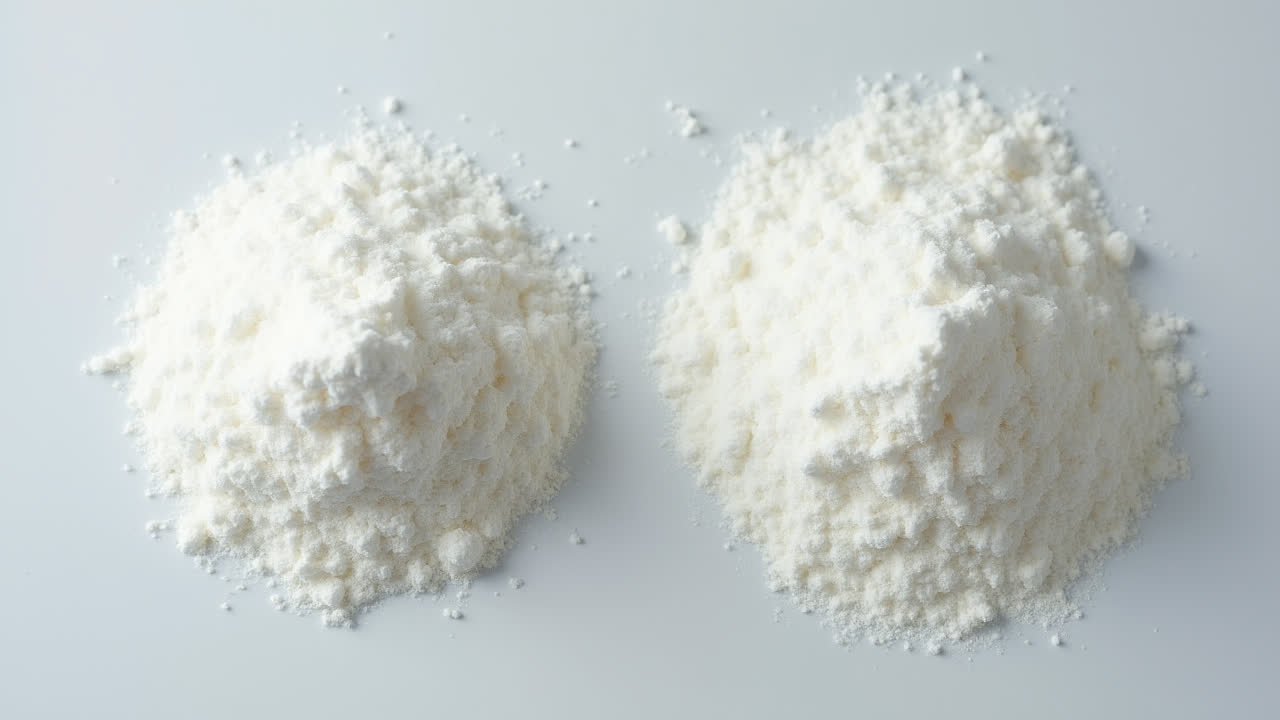
One of the most notable characteristics of monocalcium phosphate is its high solubility in water. This makes it readily available for reactions and allows it to dissolve quickly when needed. It also has an acidic nature, typically exhibiting a pH in the acidic range. In its common form, it appears as a white, odorless powder that's relatively easy to handle and incorporate into various formulations.
Perhaps you've encountered monocalcium phosphate without even realizing it. Ever wondered what makes your pancakes rise so beautifully? Or how your favorite baking powder works its magic? The answer often involves this versatile compound. Its acidic nature allows it to react with alkaline ingredients like baking soda, producing the carbon dioxide bubbles that give baked goods their light, fluffy texture.
Monocalcium phosphate is particularly valued for its high phosphorus content. Phosphorus is an essential nutrient involved in numerous biological processes, from energy metabolism to the formation of DNA and cell membranes. This makes monocalcium phosphate a valuable ingredient in fertilizers and animal feeds, where phosphorus is a critical component for growth and development.
What is Dicalcium Phosphate?
Moving on to dicalcium phosphate, we find a compound with the chemical formula CaHPO₄. As the "di" in its name suggests, it contains a different ratio of components - specifically, two calcium ions and one hydrogen phosphate ion. This compound exists in various forms, including dicalcium phosphate dihydrate (DCPD), dicalcium phosphate anhydrous (DCPA), and dicalcium phosphate hemihydrate (DCPH).
Unlike its "mono" counterpart, dicalcium phosphate has lower solubility in water. This reduced solubility actually becomes an advantage in certain applications where a slower release or extended presence is desirable. Dicalcium phosphate also tends to be less acidic than monocalcium phosphate, offering better pH stability in many formulations.
Have you ever glanced at the ingredient list on your calcium supplement bottle? If so, there's a good chance you've spotted dicalcium phosphate listed there. Its balanced calcium-to-phosphorus ratio makes it an excellent choice for nutritional supplements aimed at supporting bone health. The compound provides both essential minerals in a form that the body can utilize effectively.
In my experience working with pharmaceutical formulations, dicalcium phosphate has proven invaluable as a binding agent in tablets. It helps hold the active ingredients together while ensuring the tablet will properly disintegrate when ingested. Just like a good mediator helps bring different parties together while keeping things balanced, dicalcium phosphate brings stability to many complex formulations.
Key Differences Between Monocalcium Phosphate and Dicalcium Phosphate
| Characteristic | Monocalcium Phosphate | Dicalcium Phosphate |
|---|---|---|
| Chemical Formula | Ca(H₂PO₄)₂ | CaHPO₄ |
| Calcium to Phosphorus Ratio | Lower (one calcium ion to two phosphate groups) | Higher (two calcium ions to one phosphate group) |
| Water Solubility | Highly soluble | Less soluble |
| pH Level | More acidic | Less acidic, better buffer capacity |
| Primary Food Applications | Leavening agent in baking | Anti-caking agent, stabilizer |
| Bioavailability | Rapidly available due to high solubility | More gradual release due to lower solubility |
| Pharmaceutical Uses | Disintegrant in tablets | Binder and filler in tablets |
| Agricultural Application | Fast-acting phosphorus source in fertilizers | Slower-release calcium and phosphorus source |
Applications of Monocalcium Phosphate
Monocalcium phosphate finds its most prominent role in the food industry as a leavening agent. When combined with sodium bicarbonate (baking soda), it triggers a chemical reaction that produces carbon dioxide gas. This reaction is what gives baked goods their rise and light texture. Next time you bite into a perfectly fluffy pancake or a well-risen muffin, you might have monocalcium phosphate to thank!
Beyond baking, this versatile compound serves a vital role in agriculture as a component in fertilizers. Its high phosphorus content and good solubility make it an excellent choice for delivering this essential nutrient to crops. Phosphorus is crucial for root development, flowering, and fruiting, making monocalcium phosphate particularly valuable in agricultural settings where phosphorus availability is limited.
In animal nutrition, monocalcium phosphate serves as a dietary supplement providing both calcium and phosphorus - nutrients essential for bone development, eggshell formation in poultry, and overall animal health. The compound's high solubility ensures that these nutrients are readily available for absorption.
The pharmaceutical industry also utilizes monocalcium phosphate as an excipient in various formulations. It functions as a filler, binder, and disintegrant in tablet manufacturing. Additionally, it can help control the release of active ingredients in certain drug formulations, making it a valuable component in pharmaceutical development.
I once visited a commercial bakery where they were experimenting with different leavening agents. The difference in rise and texture between batches made with various phosphates was striking. The batch using monocalcium phosphate had a remarkably consistent rise and a light, even crumb structure that the bakers were particularly excited about. It was a tangible demonstration of how this seemingly simple compound can significantly impact food quality.
Applications of Dicalcium Phosphate
Dicalcium phosphate shines in the supplement industry as a calcium source. Its balanced calcium-to-phosphorus ratio makes it ideal for nutritional supplements aimed at supporting bone health. When you take a calcium supplement, there's a good chance you're consuming dicalcium phosphate.
In the food industry, dicalcium phosphate serves as an anti-caking agent, preventing powdered and granulated products from clumping together. It's also used as a stabilizer and pH regulator in various food products, including powdered spices, baking powder, and processed cheese.
The pharmaceutical sector utilizes dicalcium phosphate extensively as a filler and binder in tablet formulations. Its ability to compress well while ensuring proper tablet cohesion and disintegration makes it particularly valuable in this application. Have you ever wondered how pills maintain their shape while still dissolving at the right time? Excipients like dicalcium phosphate help achieve this delicate balance.
In animal nutrition, dicalcium phosphate provides essential calcium and phosphorus in a balanced ratio. This contributes to proper bone development in growing animals, eggshell quality in poultry, and milk production in dairy cows. The compound's lower solubility compared to monocalcium phosphate actually becomes an advantage here, as it allows for a more gradual release of nutrients.
During a research project on calcium supplements, I was surprised to discover the significant variation in how different calcium compounds are absorbed by the body. Dicalcium phosphate stood out for its steady, reliable release profile - not the fastest absorbing form but one that provided consistent availability over time. It reminded me that sometimes, the tortoise approach beats the hare in nutritional applications!
Similarities Between Monocalcium Phosphate and Dicalcium Phosphate
Despite their differences, these two compounds share important characteristics that make them valuable across similar industries. Both serve as excellent sources of calcium, an essential mineral critical for bone health, nerve function, muscle contraction, and numerous other physiological processes. Whether in food additives, supplements, or animal feed, both compounds help fulfill the body's need for this vital mineral.
Additionally, both compounds provide phosphorus, another essential nutrient involved in bone formation, energy metabolism, and various cellular functions. Phosphorus is a component of DNA, RNA, and ATP (the body's energy currency), making it indispensable for life. Both monocalcium phosphate and dicalcium phosphate help deliver this crucial element in forms that can be utilized by the body.
Both compounds have established safety profiles when used appropriately and are generally recognized as safe (GRAS) for their intended uses by regulatory agencies worldwide. This regulatory acceptance facilitates their widespread application across food, pharmaceutical, and agricultural industries.
I've worked with both compounds in food formulation projects, and despite their chemical differences, I've found that they share a remarkable versatility that allows them to be incorporated into diverse products. This adaptability has made them staples in industrial kitchens and laboratories alike, where their reliable performance continues to earn them a place in countless formulations.
Frequently Asked Questions
Is monocalcium phosphate safe for consumption?
Yes, monocalcium phosphate is generally recognized as safe (GRAS) by regulatory agencies like the FDA when used within approved limits. It has been used in food products for decades, particularly in baking applications. As with any food additive, some individuals might have sensitivities, but most people consume small amounts of monocalcium phosphate regularly without adverse effects. The compound primarily serves as a source of calcium and phosphorus, both essential nutrients for human health.
Which is better for calcium supplements - dicalcium phosphate or calcium carbonate?
Neither is universally "better" as they serve different purposes. Dicalcium phosphate provides both calcium and phosphorus in a balanced ratio, making it ideal for individuals who need both minerals. It has moderate bioavailability and tends to cause fewer digestive issues. Calcium carbonate, on the other hand, contains more elemental calcium by weight (about 40% versus 23% in dicalcium phosphate) and is often less expensive. However, it requires stomach acid for absorption and may cause constipation in some individuals. The "best" choice depends on individual nutritional needs, digestive health, and whether phosphorus supplementation is desired alongside calcium.
Can I substitute monocalcium phosphate for dicalcium phosphate in recipes?
Generally, these compounds are not directly interchangeable in recipes due to their different properties and functions. Monocalcium phosphate is primarily used as a leavening acid in baking, where it reacts with baking soda to produce carbon dioxide. Dicalcium phosphate, with its lower solubility and acidity, doesn't provide the same leavening action. In nutritional applications like homemade animal feeds, a substitution might be possible but would require adjusting the quantities to account for the different calcium and phosphorus ratios. For most home cooking and baking applications, it's best to use the specific calcium phosphate called for in your recipe to ensure the desired outcome.
Conclusion
The differences between monocalcium phosphate and dicalcium phosphate extend far beyond their chemical formulas. From their solubility and pH to their primary applications and bioavailability, these calcium phosphate derivatives serve distinct roles across various industries. Monocalcium phosphate's high solubility and acidity make it ideal for leavening applications and situations requiring rapid nutrient availability. Dicalcium phosphate, with its balanced mineral ratio and lower solubility, excels in nutritional supplements and as a pharmaceutical excipient.
Understanding these differences allows manufacturers, formulators, and consumers to select the appropriate calcium phosphate for specific applications. Whether you're baking the perfect loaf of bread, formulating a nutritional supplement, or developing agricultural products, choosing between monocalcium and dicalcium phosphate can significantly impact your results.
Next time you encounter these compounds on an ingredient list, you'll have a deeper appreciation for their unique properties and the specific benefits they bring to the product. In the world of food additives and supplements, these unsung heroes continue to play vital roles in enhancing both the nutritional value and physical characteristics of countless products we use daily.