Mold vs Black Mold: Understanding the Crucial Differences
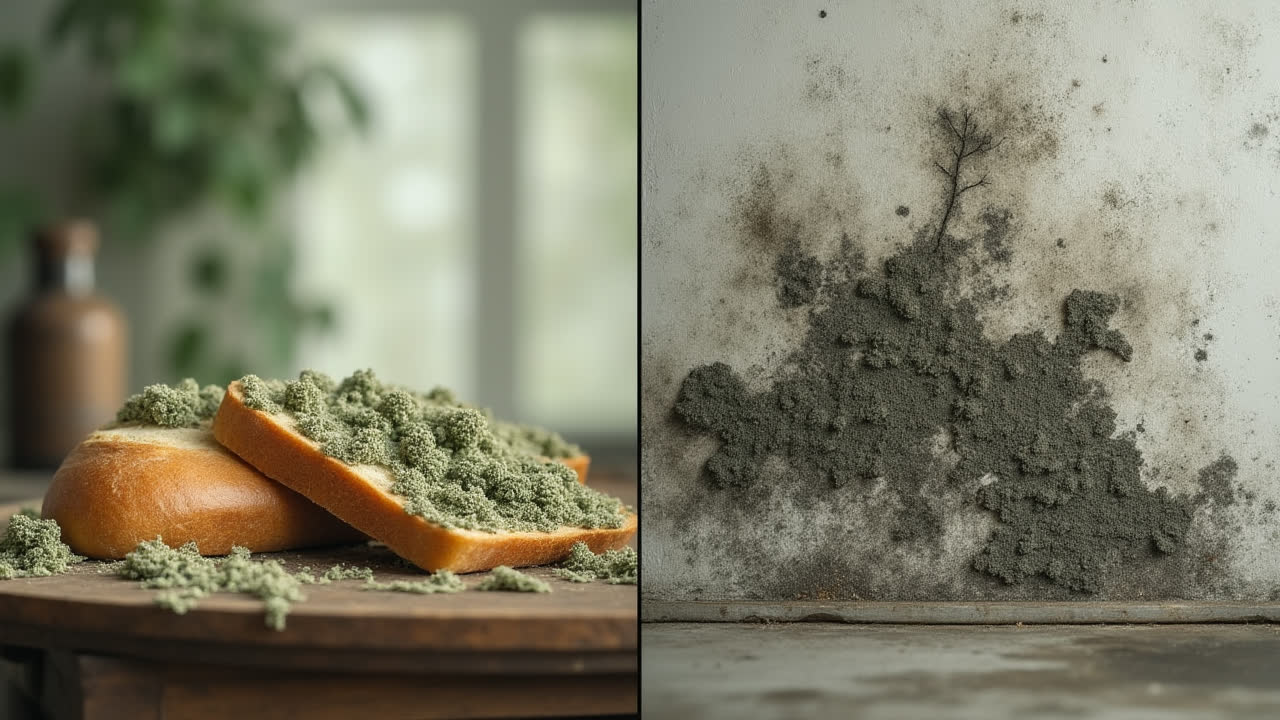
Have you ever spotted fuzzy patches growing in damp areas of your home and wondered if you're dealing with regular mold or something more sinister? The distinction between common mold and black mold isn't just about color – it could be a matter of serious health concerns. With thousands of mold species potentially growing in our living spaces, knowing what you're dealing with is essential for protecting your family's wellbeing.
What Exactly Is Mold?
Mold refers to a growth of fungus consisting of filamentous hyphae that appears on food or other organic materials in moist, warm conditions. Would you believe there are over 10,000 species of mold that can be found indoors? These microscopic fungi begin their lifecycle as small patches that might appear white, blue, green, black, brown, or gray. As they mature, molds develop either a fuzzy or slimy appearance and typically produce a distinctive musty odor that many homeowners immediately recognize as trouble.
The reality is that mold is everywhere around us – it's a natural part of our environment. Mold reproduces through tiny spores that float through the air, making it virtually impossible to have a completely mold-free home. These spores are invisible to the naked eye and can easily enter your home through windows, doors, vents, or by hitching a ride on clothing and pets.
When mold grows, the fungal hyphae penetrate the organic material they're growing on. This invasion eventually causes deterioration and destruction of the affected surface – whether it's your drywall, wooden furniture, or even food left too long in humid conditions. I've personally seen beautiful antique wooden furniture completely ruined after being stored in a damp basement for just a few months. The restoration expert told me the mold had worked its way deep into the wood fibers, making complete restoration impossible.
There are five main types of household molds you might encounter in your daily life:
- Alternaria – Typically grows on damp walls with colors ranging from gray to dark brown or black
- Aspergillus – The most common household mold, appearing white, black, gray, yellow, brown, or green
- Cladosporium – Grows on fabrics and wood surfaces, producing black or olive-green colors
- Penicillium – Creates blue-green patches with a strong musty odor (and yes, this is related to the antibiotic!)
- Stachybotrys chartarum – Known as black mold, which we'll explore in more detail
What Makes Black Mold Different?
Black mold, scientifically known as Stachybotrys chartarum, is a specific type of fungus that grows in consistently damp environments and has earned a particularly concerning reputation. Unlike other types of mold that may come in various colors, black mold is exclusively black in appearance, making it somewhat easier to identify visually. But the color alone isn't what makes black mold particularly troublesome – it's what you can't see that's most concerning.
The real danger of black mold lies in its production of toxic compounds called mycotoxins. These biological toxins can cause significantly more severe health problems than those associated with exposure to common household molds. My neighbor discovered black mold growing behind her bathroom walls after experiencing unexplained health issues for months. After professional remediation and addressing the moisture source, her symptoms gradually improved, highlighting how insidious these toxic effects can be.
Black mold thrives in consistently damp areas that many homeowners might not regularly inspect – inside air conditioning ducts, behind walls where leaks have occurred, under sinks with slow drips, or in basements with poor ventilation. The constant moisture these areas provide creates the perfect breeding ground for this potentially dangerous fungus. Unlike some other molds that can grow in areas that are occasionally damp but then dry out, black mold requires that consistent moisture source to flourish.
Another telltale sign of black mold is the significant musty odor it produces. This smell is often more pronounced than with other mold types and might be your first indication of a problem, especially if the mold is growing in an area you can't easily see. If you notice a persistent musty smell but can't locate visible mold, it's worth investigating further, particularly in areas prone to moisture problems.
Health Impacts: Why the Distinction Matters
Understanding the difference between regular mold and black mold becomes particularly important when we consider their respective health impacts. While all molds can potentially cause health problems, the severity and type of symptoms can vary significantly. Prolonged exposure to common household molds can trigger allergic reactions, respiratory problems, inflammation, migraines, extreme fatigue, and joint pain in sensitive individuals.
Black mold exposure, however, often brings more serious health concerns due to the mycotoxins it produces. These can include severe breathing problems, intensified allergic symptoms, asthma attacks, chronic fatigue, depression, persistent sinus infections, immune system suppression, and even damage to internal organs in extreme cases. I remember interviewing a family for a local news story who had unknowingly lived with extensive black mold in their home for years – their young daughter had developed such severe respiratory problems that doctors initially suspected cystic fibrosis before the environmental cause was discovered.
It's worth noting that not everyone reacts to mold exposure in the same way. Some individuals are naturally more sensitive to mold than others, and factors such as age, existing health conditions, and the duration of exposure all play important roles in determining how severely someone might be affected. Children, elderly individuals, those with compromised immune systems, and people with existing respiratory conditions like asthma tend to be more vulnerable to mold-related health problems.
The health risks associated with both types of mold underscore the importance of addressing any mold growth in your home promptly. Even if you're not experiencing symptoms, the potential for health problems makes mold remediation a priority for maintaining a healthy living environment. And if you suspect black mold specifically, considering professional testing and remediation becomes even more crucial due to the heightened risks.
Identifying Mold in Your Home
Correctly identifying the type of mold growing in your home can be challenging without professional testing, but there are some visual cues and environmental factors that might help you distinguish between common mold and potentially dangerous black mold. Remember though, when in doubt, it's always best to consult with a professional mold remediation specialist rather than risking exposure.
Common household molds often appear in various colors – you might see white, green, blue, brown, or gray patches. They typically grow in areas that experience occasional moisture but might also dry out periodically. These molds can often be found around windows, in bathrooms, near air conditioning units, or on food that's past its prime. The texture might be fuzzy or powdery, and while they produce an unpleasant musty odor, it's usually not overwhelmingly strong.
Black mold, on the other hand, is exclusively black in color. It appears slimy or wet rather than fuzzy and produces a particularly strong, musty odor. You'll typically find black mold in areas with constant dampness rather than occasional moisture – think behind walls with plumbing leaks, in chronically damp basements, or in crawl spaces with poor ventilation. If you've had previous water damage that wasn't properly dried and remediated, these areas become prime suspects for black mold growth.
One telling sign that you might be dealing with black mold is the pattern of health symptoms experienced by household members. If multiple family members are experiencing unusual symptoms that seem to improve when away from home (like during a vacation) but return upon coming back, this could indicate a mold problem. This pattern became apparent to my cousin's family after they noticed their chronic headaches and congestion mysteriously disappeared during a two-week trip, only to return within days of coming home – the culprit turned out to be hidden black mold in their laundry room wall.
Detailed Comparison: Mold vs. Black Mold
To better understand the distinctions between common household mold and black mold, let's examine their differences across various categories. This comparison highlights why identifying the specific type of mold in your home matters for appropriate remediation and health protection.
| Characteristic | Common Household Mold | Black Mold (Stachybotrys chartarum) |
|---|---|---|
| Scientific Classification | Various species including Alternaria, Aspergillus, Cladosporium, and Penicillium | Specifically Stachybotrys chartarum |
| Appearance | Various colors: white, green, blue, brown, gray, or black; often fuzzy or powdery | Exclusively black; slimy or wet appearance |
| Preferred Environment | Can grow in both occasionally damp and drier areas; adapts to various conditions | Requires consistently damp environments; needs constant moisture |
| Toxic Compounds | Spores can be allergenic but typically don't produce significant toxins | Produces mycotoxins that are highly toxic to humans |
| Health Impacts | Mild to moderate: allergic reactions, respiratory irritation, inflammation, fatigue | Potentially severe: breathing difficulties, chronic infections, immune suppression, organ damage |
| Odor | Mild to moderate musty smell | Strong, pungent musty odor |
| Growth Rate | Generally faster growing; can establish colonies quickly | Slower growing; requires more time to establish |
| Beneficial Uses | Some species used in cheese production, medicine (penicillin), and fermentation | No known beneficial uses |
Prevention and Remediation Strategies
Preventing mold growth in your home is significantly easier and less expensive than dealing with an established mold problem. The key to prevention lies in controlling moisture levels throughout your living spaces. Since all molds require moisture to grow, eliminating excess humidity and water sources creates an inhospitable environment for fungal growth.
Start by addressing any leaks or water intrusion promptly – even small drips under sinks or around windows can create perfect conditions for mold growth if left unaddressed. Using dehumidifiers in naturally damp areas like basements and ensuring proper ventilation in bathrooms and kitchens can also significantly reduce your risk. I've found that simply running the bathroom exhaust fan for an extra 15 minutes after showering has virtually eliminated the mildew problems we used to have around our tub.
Regular inspection of potential problem areas is another crucial preventative measure. Check under sinks, around windows, in basements, and in attics periodically for any signs of water damage or mold growth. Early detection allows for quick intervention before a small issue becomes a major problem. Additionally, maintain lower indoor humidity levels – ideally between 30-50% – to discourage mold growth throughout your home.
If you do discover mold in your home, the remediation approach should depend on the extent of the problem and the type of mold present. For small areas of common household mold (less than 10 square feet), careful cleaning with appropriate solutions might be sufficient. However, for larger areas or any suspected black mold, professional remediation is strongly recommended due to the potential health risks and the importance of proper containment during removal.
Professional mold remediation specialists have the training, equipment, and protective gear necessary to safely remove mold without spreading spores throughout your home. They can also identify and address the underlying moisture issues to prevent future growth. While the cost of professional remediation might seem high initially, it pales in comparison to the potential health impacts and property damage that can result from improperly addressed mold problems.
Frequently Asked Questions About Mold
How can I tell if I have black mold or regular mold in my home?
While professional testing is the most reliable method for identification, there are some visual clues. Black mold (Stachybotrys chartarum) is exclusively black with a slimy or wet appearance and grows in consistently damp areas. It produces a particularly strong musty odor. Regular molds come in various colors (white, green, blue, brown, gray, or black), often appear fuzzy or powdery, and can grow in areas that are occasionally damp but might also dry out. If you suspect black mold, especially if family members are experiencing unusual health symptoms, it's best to consult with a professional mold remediation specialist for proper testing and safe removal.
What immediate steps should I take if I discover mold in my home?
If you discover mold, first assess the size of the affected area. For small patches of common mold (less than 10 square feet), you can clean it yourself using appropriate protective gear (gloves, N95 mask) and cleaning solutions like hydrogen peroxide or vinegar. For larger areas, suspected black mold, or if family members are experiencing health symptoms, contact a professional mold remediation service immediately. In all cases, identify and fix the moisture source causing the mold growth to prevent recurrence. Keep children and sensitive individuals away from the affected area until it's properly remediated. Remember that improper handling can spread mold spores throughout your home, potentially worsening the situation.
Can mold grow in air conditioning systems, and how can I prevent this?
Yes, air conditioning systems can harbor mold growth, particularly in the evaporator coils, drain pans, and ductwork where moisture tends to accumulate. To prevent mold in your HVAC system, schedule regular professional maintenance at least annually. Ensure your system is properly sized for your home to avoid excessive humidity from short-cycling. Replace air filters regularly (every 1-3 months depending on filter type and household conditions). Consider installing UV lights near the coils to inhibit mold growth. Use a programmable thermostat to avoid turning the system completely off for extended periods, as this can lead to humidity buildup. If you notice a musty smell when your air conditioner runs or if family members experience allergy symptoms when the system is operating, have your system professionally inspected for mold.
Conclusion: Taking Mold Seriously
Understanding the difference between common household mold and black mold is crucial for maintaining a healthy living environment. While all molds can potentially cause health problems and property damage, black mold poses significantly higher risks due to the mycotoxins it produces. The distinction isn't merely academic – it directly impacts how you should approach remediation and the urgency with which you need to address the problem.
Remember that prevention remains the most effective strategy against all types of mold. Controlling moisture levels in your home, promptly addressing leaks and water damage, ensuring proper ventilation, and conducting regular inspections of vulnerable areas can save you from the expense and health concerns associated with established mold problems. And when in doubt about what type of mold you're dealing with, consulting with professionals is always the safest approach.
By staying vigilant and proactive about mold prevention and remediation, you're protecting not just your property investment but, more importantly, your family's health and wellbeing. After all, our homes should be sanctuaries of safety and comfort, not breeding grounds for potentially harmful fungi. Have you checked your home's vulnerable areas for mold lately? Perhaps it's time for a thorough inspection.