Mental vs Emotional: Understanding the Key Differences
Mental vs Emotional: Understanding the Core Differences
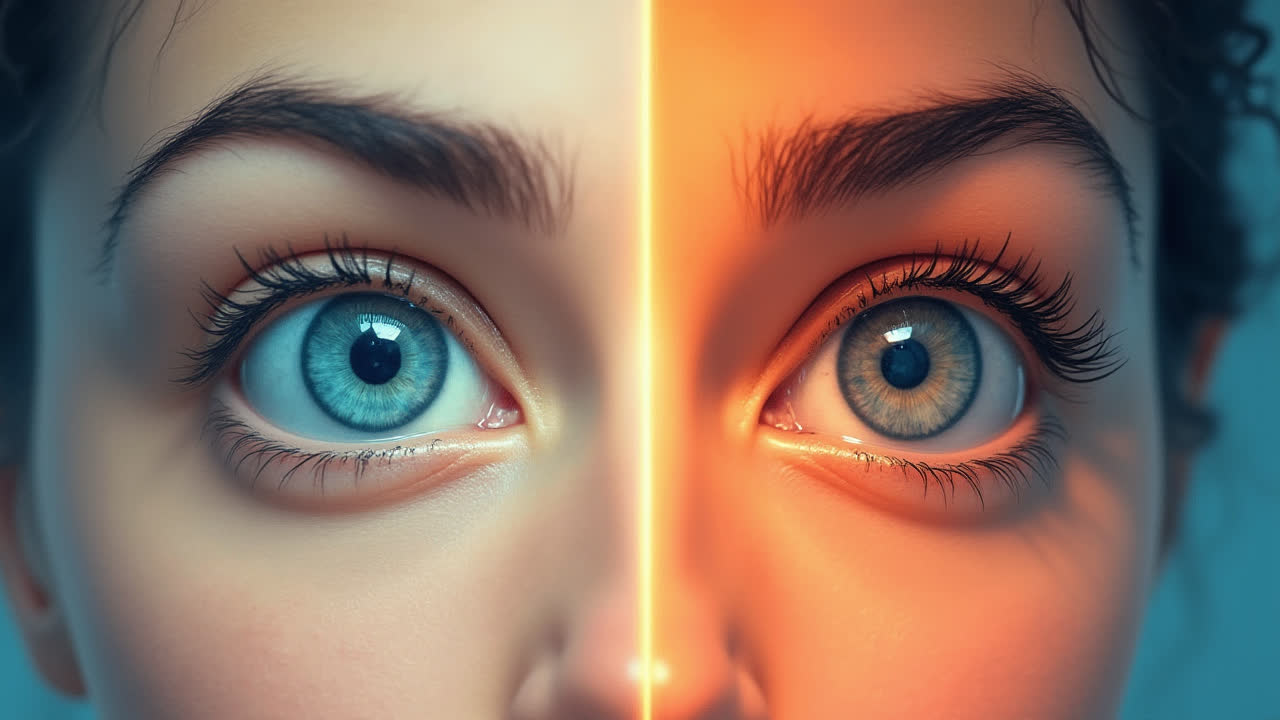
Have you ever wondered why sometimes you feel "mentally exhausted" but perfectly fine emotionally, or vice versa? The distinction between mental and emotional aspects of human behavior is fascinating and, dare I say, a bit like trying to separate the flour from the eggs in your mixed batter – they're intricately connected but still distinct. Understanding these differences is crucial for managing overall well-being.
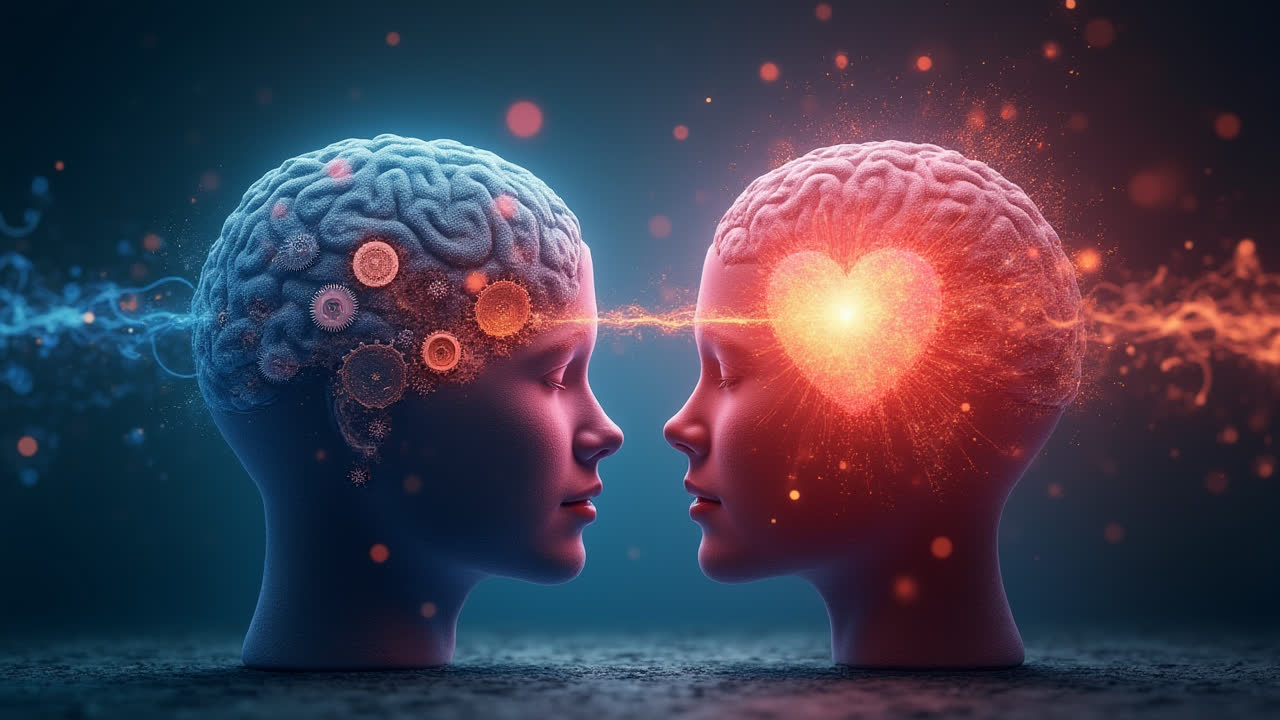
Let's dive into this complex topic, shall we? As someone who's spent countless hours researching and observing human behavior patterns, I've found that many people use these terms interchangeably, which can lead to misunderstandings. The mental realm primarily deals with the brain's cognitive functions, while the emotional sphere centers around the heart's responses to various stimuli. It's not just semantics – these differences matter!
The Mental Landscape: When Your Brain Takes Center Stage
Mental behavior, or what I like to call "the brain's playground," involves cognitive processes, logical thinking, and rational decision-making. When you're dealing with mental aspects, you're essentially working with your brain's processing units – think of it as your body's most sophisticated computer.
I've noticed that people experiencing mental changes often exhibit subtle signs that aren't immediately obvious. Someone might withdraw into their mental fortress, appearing calm from the outside while their thoughts race at breakneck speed on the inside. It's like watching a duck gliding gracefully across water – seemingly serene on the surface, but paddling frantically underneath.
The interesting thing about mental behavior is its relationship with neurotransmitters. These tiny chemical messengers can significantly influence our mental state, creating a complex dance between biology and psychology. Depression, for instance, isn't just feeling sad – it's a mental state where brain chemistry literally alters how we perceive the world around us.
Emotional Responses: The Heart's Symphony
Emotional behavior, on the flip side, is all about the heart – metaphorically speaking, of course. When we talk about emotional reactions, we're referring to those immediate, visceral responses to life events that can make you cry at a commercial about puppies or feel butterflies when you see your crush walking by.
Here's what fascinates me about emotional behavior: it's often more visible than mental states. While someone mentally affected might quietly retreat to process their thoughts, an emotionally affected person might openly express their feelings through sounds, expressions, or gestures. Ever heard someone uncontrollably sobbing at a movie? That's pure emotional behavior in action!
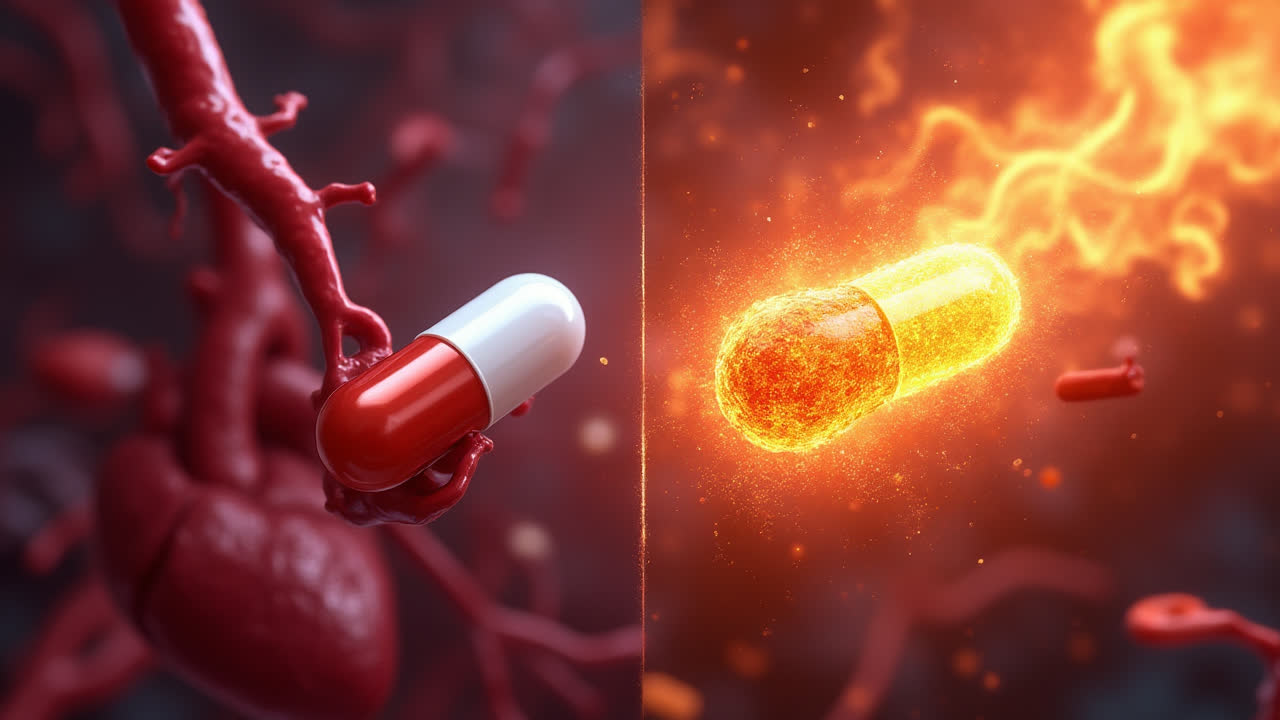
What I find particularly intriguing is the heart-brain connection in emotional processing. Our hearts literally respond to emotional stimuli – your heartbeat increases when you're excited or scared, and that's not just coincidence. It's a complex interplay between physical and psychological responses.
Comparison Table: Mental vs Emotional
| Aspect | Mental | Emotional |
|---|---|---|
| Primary Center | Brain (cognitive processing) | Heart (feeling center) |
| Response Type | Rational, logical | Instinctive, visceral |
| External Expression | Often internal, less visible | Usually external, more obvious |
| Behavior Patterns | Withdrawal, introspection | Outward expression, vocalizations |
| Recovery Process | Gradual, involves thought processing | Can be immediate or fluctuating |
| Health Indicators | Internal struggles, cognitive functions | Mood swings, emotional stability |
| Management Techniques | Therapy, cognitive exercises | Emotional regulation, mindfulness |
| Impact on Others | Subtle, may go unnoticed | Direct, often affects social interactions |
The Intricate Connection: When Brain Meets Heart
Here's where things get really interesting, folks. While I've been separating mental and emotional aspects for clarity, in reality, they're like dancing partners – constantly influencing and responding to each other. Have you ever noticed how mental stress can lead to emotional outbursts? Or how emotional trauma can affect cognitive function?
I've observed this firsthand in many people. A mentally taxing work week can leave someone emotionally drained, even if nothing particularly upsetting happened. Similarly, emotional heartbreak can literally affect mental clarity – that's why people say they can't think straight after a breakup!
The science behind this connection is fascinating. Studies have shown that emotional experiences activate specific brain regions, creating a feedback loop between mental processing and emotional responses. It's like watching a conversation between two parts of yourself – sometimes harmonious, sometimes chaotic, but always interconnected.
Managing Both: A Balanced Approach
Now, you might be wondering, "How do I actually apply this knowledge to my life?" Well, I'm glad you asked! Managing both mental and emotional health requires different strategies, though they often overlap in implementation.
For mental wellness, I've found that practices like journaling, problem-solving exercises, and seeking therapy can work wonders. It's about giving your brain the tools to process information effectively. On the emotional side, techniques like mindfulness meditation, emotional expression (yes, crying is actually healthy!), and social connection can help maintain balance.
The key insight I've gained over the years? Don't treat them as separate entities that need completely different solutions. Instead, think of them as two sides of the same coin. When you care for one, you're indirectly supporting the other. It's a beautiful synergy when you get it right!
FAQ Section
Can you be mentally strong but emotionally weak?
Absolutely! It's entirely possible to have strong cognitive abilities and logical thinking while struggling with emotional regulation. Many high-achieving professionals exhibit this pattern – they can solve complex problems but may have difficulty managing their feelings in personal relationships.
How do mental and emotional health affect each other?
Mental and emotional health are deeply interconnected. Prolonged emotional stress can impact cognitive function, leading to mental fatigue or difficulty concentrating. Similarly, mental disorders like depression can significantly affect emotional stability. They work in a feedback loop, where improvements in one area often enhance the other.
Which is more important: mental or emotional health?
Both mental and emotional health are equally important for overall well-being. Rather than viewing them as competing priorities, it's better to recognize them as complementary aspects of holistic health. Neglecting either can lead to imbalances that affect your quality of life and relationships.
Final Thoughts: Embracing the Whole You
Understanding the difference between mental and emotional aspects of our being isn't just academic knowledge – it's practical wisdom for living a more balanced life. I've learned that acknowledging both aspects of ourselves allows for more compassionate self-care and better relationship management.
Remember, you're not just a thinking machine or a feeling being – you're beautifully, wonderfully both. The next time you find yourself struggling, take a moment to identify whether the challenge is primarily mental, emotional, or (most likely) a combination of both. This awareness alone can guide you toward more effective solutions.
So go forth with this newfound understanding! Pay attention to both your mind's whispers and your heart's songs. After all, isn't our complexity what makes us uniquely human? Embrace it, understand it, and use it to create a more fulfilling life for yourself and those around you.