L-Arginine vs Arginine AKG: Which Supplement Is Better For You?
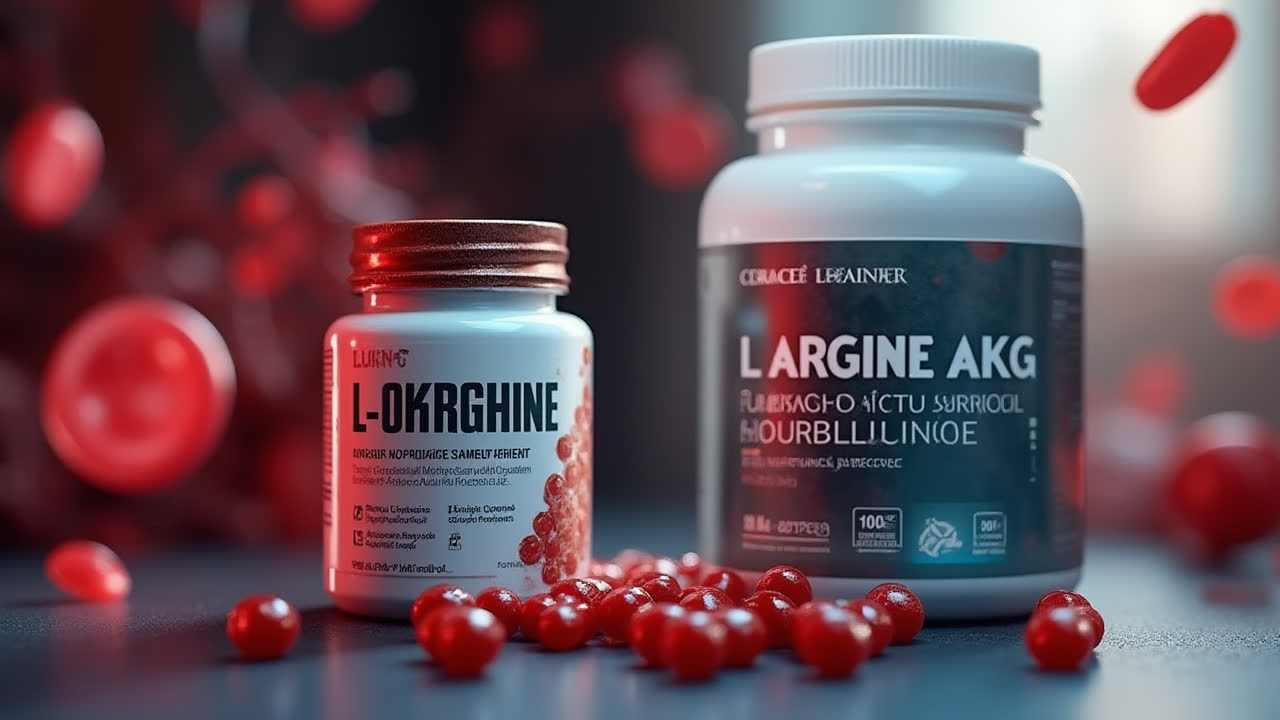
If you've been exploring the world of supplements, you've likely come across L-arginine and Arginine AKG (sometimes called AAKG). While they sound similar and are related, they serve different purposes and can impact your body in unique ways. I've spent years researching supplements, and let me tell you – the devil is in the details when it comes to these two arginine-based compounds.
Both supplements have gained popularity in fitness circles and medical applications, but choosing between them depends entirely on your specific goals. Are you looking to boost your workout performance, improve cardiovascular health, or address specific medical concerns? The right choice might not be as straightforward as you think.
In this comprehensive guide, I'll break down everything you need to know about L-arginine and Arginine AKG, from their chemical structures to their practical applications. By the end, you'll have a clear understanding of which supplement might align better with your health and fitness objectives. Let's dive in!
What Is L-Arginine? Understanding The Basics
L-arginine is a semi-essential (or conditionally essential) amino acid that plays several crucial roles in the human body. I remember when I first learned about it during my nutrition studies – it fascinated me that something our bodies produce naturally could also be so beneficial as a supplement. Under normal circumstances, your body can synthesize adequate amounts of L-arginine through biochemical processes. However, during periods of stress, illness, or intense physical activity, dietary intake becomes necessary to meet increased demands.
The "L" in L-arginine refers to the molecule's specific stereoisomer form – essentially its three-dimensional orientation. This is the naturally occurring form found in foods and the human body. Rich dietary sources include red meat, poultry, dairy products, and plant-based options like pumpkin seeds and chickpeas. But honestly, unless you're eating these foods in significant quantities daily, you might not be getting optimal amounts for enhanced performance or therapeutic benefits.
What makes L-arginine particularly valuable is its role as a precursor to nitric oxide (NO), a powerful vasodilator that relaxes blood vessels and improves blood flow. The cells lining your blood vessels (endothelial cells) use L-arginine to produce nitric oxide through the action of an enzyme called nitric oxide synthase. This improved circulation can benefit everything from exercise performance to heart health.
Beyond its vascular effects, L-arginine also stimulates the release of growth hormone, insulin, and other substances in the body. It participates in the urea cycle, helping to remove ammonia from the body, and serves as a building block for proteins. Healthcare providers sometimes prescribe L-arginine supplements to address conditions related to compromised blood flow, including certain forms of heart disease, erectile dysfunction, and claudication (leg pain due to poor circulation).
What Is Arginine AKG? More Than Just Arginine
Arginine Alpha-Ketoglutarate (Arginine AKG or AAKG) represents a more specialized supplement formulation combining L-arginine with alpha-ketoglutarate molecules. Unlike basic L-arginine, Arginine AKG is not something your body produces naturally in this combined form – it's specifically engineered as a dietary supplement. The first time I tried it before a heavy lifting session, I noticed a distinct difference in my workout quality compared to regular L-arginine.
Alpha-ketoglutarate is a key intermediate in the Krebs cycle (also called the citric acid cycle), the metabolic pathway that generates energy in your cells. It serves as both an energy-producing molecule and a precursor to amino acids like glutamic acid, which plays a significant role in muscle function. By pairing alpha-ketoglutarate with L-arginine, manufacturers aim to create a supplement with enhanced stability and bioavailability – essentially helping your body utilize the arginine more effectively.
The primary market for Arginine AKG has traditionally been athletes, particularly bodybuilders, weightlifters, and high-intensity training enthusiasts. The supplement industry promotes it as a pre-workout compound that can create a short-term increase in nitric oxide levels, potentially leading to what athletes call "the pump" – increased blood flow to working muscles during exercise. This enhanced circulation may deliver more oxygen and nutrients to muscles while facilitating the removal of metabolic waste products.
Beyond its immediate effects on blood flow, proponents of Arginine AKG suggest it may increase creatine and glutamine levels, potentially aiding in protein synthesis and muscle growth. Some users report improved endurance, reduced fatigue, and faster recovery between training sessions. However, it's worth noting that while many athletes swear by these benefits, scientific research on Arginine AKG specifically (as opposed to L-arginine alone) shows mixed results.
L-Arginine vs Arginine AKG: Comprehensive Comparison
| Feature | L-Arginine | Arginine AKG |
|---|---|---|
| Chemical Composition | Single amino acid (C₆H₁₄N₄O₂) | Salt of L-arginine and alpha-ketoglutarate |
| Production in Body | Naturally produced in limited amounts | Not naturally produced in combined form |
| Primary Function | Precursor to nitric oxide; protein synthesis | Enhanced blood flow; energy production |
| Main Applications | Cardiovascular health; medical treatments | Athletic performance; muscle development |
| Stability & Absorption | Standard absorption rate | Potentially enhanced stability and bioavailability |
| Duration of Effects | Moderate duration | Potentially longer-lasting effects |
| Typical Dosage | 3-6g daily, divided doses | 1.5-3g daily, often pre-workout |
| Cost Comparison | Generally less expensive | Usually more expensive |
The Science Behind Blood Flow Enhancement
Both L-arginine and Arginine AKG ultimately work through the nitric oxide pathway, but their mechanisms and effectiveness can differ in important ways. I've always been fascinated by how these supplements actually work at the cellular level – it's not just marketing hype when used correctly.
With standard L-arginine, your body converts the amino acid to nitric oxide through the enzyme nitric oxide synthase. This process occurs primarily in the endothelial cells lining your blood vessels. The resulting nitric oxide relaxes the smooth muscle in vessel walls, causing vasodilation – the widening of blood vessels that improves circulation. However, L-arginine faces certain limitations, including a relatively high first-pass metabolism in the liver, which can significantly reduce its bioavailability.
Arginine AKG attempts to address some of these limitations. The addition of alpha-ketoglutarate may help protect the L-arginine from premature breakdown in the digestive system and liver, potentially allowing more of the active compound to reach circulation. Additionally, alpha-ketoglutarate's role in the Krebs cycle may provide supplementary energy benefits that pure L-arginine lacks.
Some research suggests that the body processes Arginine AKG differently than it does standard L-arginine, potentially leading to a more sustained release and extended effects. However, much of the evidence remains preliminary, and individual responses can vary significantly. What works wonderfully for one athlete might produce minimal results for another – I've seen this firsthand among training partners using identical supplements.
It's worth noting that as we age or develop certain health conditions, our natural nitric oxide production tends to decline. This is one reason why supplementation becomes increasingly popular among both older fitness enthusiasts and those with cardiovascular concerns. Either supplement may help compensate for this natural decline, though the specific formulation that works best might depend on individual physiology and goals.
Clinical Applications vs Athletic Performance
One of the most significant differences between these supplements lies in their primary applications and the evidence supporting them. L-arginine has a longer history of clinical use and research, while Arginine AKG has been more focused on the athletic performance market. I've personally used both for different purposes over the years, and there's definitely a distinction in how they feel and function.
L-arginine has been studied for various medical applications, including treatment for conditions like angina, hypertension, heart failure, erectile dysfunction, and peripheral arterial disease. Medical practitioners sometimes recommend it as part of a treatment plan for these circulation-related issues. The research backing these applications, while not definitive for all conditions, is more substantial than that for Arginine AKG in clinical settings.
In contrast, Arginine AKG emerged primarily as a sports supplement aimed at enhancing workout performance. Its reputation grew especially in bodybuilding circles, where the "pump" effect – increased blood flow to muscles during exercise – is highly valued. Athletes report benefits including improved endurance, better muscle pumps during training, and potentially enhanced recovery. However, peer-reviewed research specifically on Arginine AKG (rather than L-arginine alone) is more limited compared to clinical studies of L-arginine.
If your goals are primarily health-related – addressing cardiovascular concerns or other medical issues – standard L-arginine typically has more evidence supporting its use. Your doctor might even recommend specific dosages for particular conditions. On the other hand, if you're focused on athletic performance, particularly resistance training or high-intensity workouts, Arginine AKG might align better with your objectives, despite the somewhat less robust research base.
I remember speaking with a cardiologist friend about this distinction. He regularly recommends L-arginine to patients with certain cardiovascular issues but considers Arginine AKG somewhat "overengineered" for basic health applications. Conversely, many of my training partners swear by Arginine AKG for intense workout sessions but don't notice much difference when using standard L-arginine. This anecdotal evidence aligns with the general positioning of these supplements in the market.
Frequently Asked Questions About L-Arginine and Arginine AKG
Can I take L-arginine and Arginine AKG together for better results?
While technically possible, taking both supplements together generally isn't necessary and may not provide additional benefits over using just one. Arginine AKG already contains L-arginine, so you'd essentially be doubling up on your arginine intake. This could potentially lead to side effects like digestive discomfort, headaches, or lowered blood pressure. If you're determined to try both, I'd recommend starting with lower doses of each and consulting with a healthcare provider. Personally, I've found better results from choosing the right formulation for my specific goal rather than combining them.
What are the common side effects of arginine supplements?
Both L-arginine and Arginine AKG share similar potential side effects, though the severity and likelihood can vary between individuals. The most commonly reported issues include gastrointestinal discomfort (nausea, bloating, diarrhea), headaches, and airway inflammation in some asthmatic individuals. Some users also experience a temporary drop in blood pressure, which can cause lightheadedness. Higher doses increase the risk of these side effects. In my experience working with various clients, starting with a lower dose and gradually increasing it helps minimize these issues. People with herpes should exercise caution, as arginine supplements may trigger outbreaks in some cases.
How long does it take to see results from arginine supplements?
The timeline for experiencing benefits varies depending on your reason for taking the supplement. For pre-workout effects like improved pumps and exercise performance, results can be noticeable within 30-60 minutes of taking Arginine AKG. However, for health-related benefits like improved cardiovascular function or blood pressure management with L-arginine, consistent supplementation for 2-4 weeks is typically needed before significant effects emerge. I've observed this pattern consistently with clients – those looking for immediate workout benefits tend to prefer Arginine AKG, while those seeking long-term health improvements usually find L-arginine more suitable when taken regularly over time.
Making The Right Choice For Your Needs
Selecting between L-arginine and Arginine AKG ultimately comes down to your specific goals, budget, and individual response. After years of both personal use and recommending these supplements to others, I've found that matching the supplement to the objective usually yields the best results. Let's consider a few common scenarios to help guide your decision.
If you're primarily concerned with cardiovascular health, addressing erectile dysfunction, or managing blood pressure issues, standard L-arginine likely represents the better choice. Its established clinical track record, lower cost, and extensive research in these areas make it the more practical option. The typical recommended dosage ranges from 3-6 grams daily, often divided into multiple doses to maintain steadier blood levels throughout the day.
On the other hand, if your focus is athletic performance – particularly resistance training, bodybuilding, or high-intensity sports – Arginine AKG might better align with your goals. Though more expensive, many athletes report more noticeable acute effects on training sessions, especially when taken 30-60 minutes before workouts. The typical pre-workout dose ranges from 1.5-3 grams, though some products recommend higher amounts.
Have you considered how these supplements might interact with your existing fitness or health regimen? Arginine AKG often works synergistically with other pre-workout ingredients like citrulline, beta-alanine, or caffeine. Meanwhile, L-arginine may complement heart-healthy supplements like CoQ10 or omega-3 fatty acids. Your current supplement stack should influence your choice.
It's also worth mentioning that individual response varies significantly with both supplements. Factors like your diet, training intensity, age, and overall health status can all influence how effectively either supplement works for you. Some people, myself included, notice dramatic effects from these supplements, while others experience minimal benefits. This variability makes it difficult to make blanket recommendations – you might need to experiment (starting with lower doses) to determine which works better for your body.
Conclusion: Weighing Your Options
When comparing L-arginine and Arginine AKG, we're essentially looking at two related but distinct supplements with overlapping yet specialized applications. The basic amino acid L-arginine offers a well-researched option primarily beneficial for cardiovascular health and related medical applications. It represents a more economical choice with a broader evidence base for health-related outcomes. Arginine AKG, while more expensive, provides a potentially enhanced delivery system with additional metabolic benefits from alpha-ketoglutarate, making it particularly appealing for athletic performance.
I've seen effective results with both supplements when used appropriately. My cardiovascular-focused clients often do well with standard L-arginine, while my serious athletes frequently prefer the workout-enhancing effects of Arginine AKG. Whichever you choose, start with a lower dose to assess tolerance, and consider consulting a healthcare provider if you have existing medical conditions or take medications.
Have you tried either supplement before? Your personal experience might be the most valuable guide in determining which one works better for your unique physiology and goals. Remember that supplements represent just one component of a comprehensive approach to health and fitness – they work best when combined with appropriate nutrition, adequate rest, and consistent training or medical guidance.