Iron vs Steel: Understanding the Key Differences and Uses
What Is Iron? The Elemental Metal
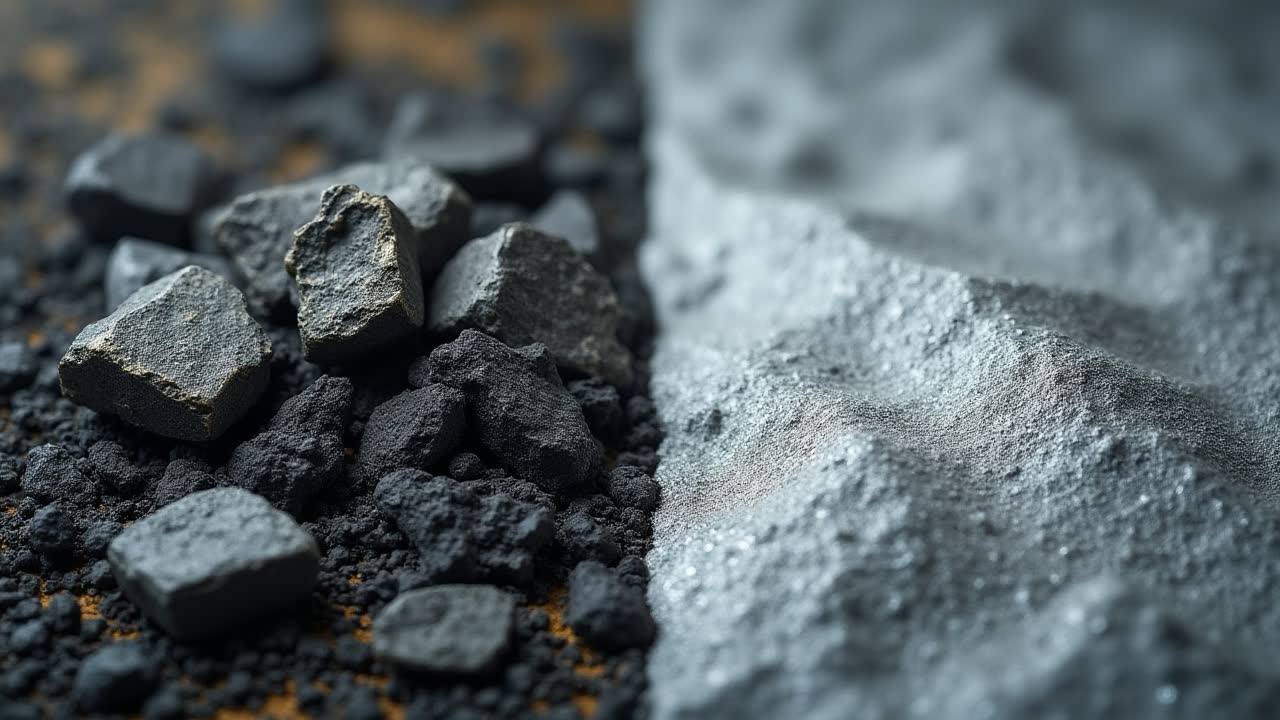
Iron is one of the most abundant elements on Earth and has been utilized by humans for thousands of years. As a pure element with atomic number 26, it sits comfortably in the transition metals section of the periodic table. When I first learned about iron in chemistry class, I was fascinated by its electronic configuration: 1s² 2s² 2p⁶ 3s² 3p⁶ 4s² 3d⁶. But what does this scientific jargon actually mean for the metal we encounter in daily life?
In its pure form, iron is relatively soft and quite ductile, meaning it can be drawn into wire without breaking. It's also quite malleable, allowing it to be hammered into sheets. These properties made iron immensely valuable throughout human history, from the Iron Age onward. One characteristic that has always challenged iron users, though, is its tendency to oxidize. Ever left a cast iron pan wet overnight? Then you've witnessed firsthand how readily iron reacts with oxygen to form that familiar reddish-brown substance we call rust.
This rusting process happens because iron easily forms compounds in two main oxidation states: +2 (ferrous) and +3 (ferric). When exposed to moisture and oxygen in the air, iron first forms ferrous oxide and then further oxidizes to ferric oxide—that flaky, reddish-brown substance that signals the deterioration of the metal. I've restored numerous old tools over the years, and let me tell you, removing deep rust can be a tremendously tedious process!
Despite its susceptibility to corrosion, iron remains vital to our modern world. It's used in many applications where its magnetic properties are valuable, and it serves as the foundation for the production of its more resilient offspring—steel. But on its own, iron has limitations that eventually led metallurgists to seek improvements, resulting in the development of various alloys, with steel being the most significant.
What Is Steel? The Engineered Alloy
Unlike iron, steel isn't an element but rather an alloy—a mixture of iron with carbon and often other elements. The carbon content typically ranges from 0.03% to about 2.1% by weight, and that small addition makes a world of difference in the material's properties. It's remarkable how adding just a tiny percentage of carbon transforms relatively soft iron into a material that can support massive structures and withstand tremendous forces.
Modern steel production also incorporates other alloying elements to enhance specific properties. Elements like chromium, nickel, and manganese play crucial roles in creating different types of steel for specialized applications. Chromium, for instance, is what gives stainless steel its famous corrosion resistance. Instead of iron getting oxidized, the chromium (which has a lower oxidation potential) forms a passive oxide layer that protects the underlying metal. That's why your stainless steel kitchen sink doesn't rust like an old iron fence would.
The variety of steel types available today is staggering. We have everything from ultra-high-carbon steel for cutting tools to low-carbon mild steel for everyday items. Each type has been carefully engineered to deliver specific performance characteristics. Some steels offer exceptional strength, others superior heat resistance, and still others remarkable flexibility or hardness. This versatility explains why steel has become so ubiquitous in our modern world.
Have you ever wondered why some bridges are still standing after more than a century? The durability of properly alloyed steel is truly impressive. The Brooklyn Bridge, with its steel cables, has been standing since 1883! While pure iron would have deteriorated long ago under such conditions, the steel components continue to perform their critical functions with proper maintenance. This longevity illustrates one of steel's most valuable attributes—it's not just stronger than iron; it's also significantly more durable in many environments.
Iron vs Steel: Key Differences Compared
Now that we've explored both materials individually, let's directly compare iron and steel across several important characteristics. Understanding these differences helps explain why steel has largely replaced pure iron in most modern applications.
| Characteristic | Iron | Steel |
|---|---|---|
| Composition | Pure elemental metal (Fe) | Alloy of iron with carbon (0.03-2.1%) and other elements |
| Strength | Relatively low tensile strength | Significantly higher tensile strength |
| Corrosion Resistance | Poor; rusts easily when exposed to moisture and air | Variable; stainless steel has excellent resistance |
| Ductility | More ductile than steel | Less ductile but stronger |
| Brittleness | Less brittle than high-carbon steel | Can be brittle with high carbon content |
| Malleability | More malleable | Less malleable but more versatile |
| Cost | Generally less expensive | More expensive due to alloying process |
| Magnetic Properties | Strongly ferromagnetic | Varies; some stainless steels are non-magnetic |
The Evolution from Iron to Steel
The transition from iron to steel represents one of humanity's most significant technological advancements. Early ironworking dates back to around 1200 BCE, when ancient civilizations discovered how to extract iron from ore. For thousands of years, blacksmiths worked with wrought iron, which contained small amounts of slag (silicon dioxide), giving it some enhanced properties over pure iron. But it wasn't until the invention of modern steelmaking processes in the 19th century that steel became widely available.
The Bessemer process, developed in the 1850s, marked a turning point in steel production. It allowed for the mass production of steel from molten pig iron by blowing air through the molten metal to remove impurities. This process drastically reduced the cost of steel production and made the material accessible for large-scale industrial applications. Sometimes I think about how different our skylines would look if we'd never developed efficient steel production methods—no skyscrapers, no massive suspension bridges, a completely different world!
Today, steel production has evolved even further with technologies like the basic oxygen process and electric arc furnaces. These modern methods allow for precise control over the composition and properties of the steel being produced. We can now create specialized steels tailored to specific applications, from ultra-strong steel for structural components to flexible steel for automotive bodies that absorb impact energy during collisions.
The evolution from iron to steel parallels human technological development in many ways. As our understanding of metallurgy advanced, so did our ability to create materials with properties specifically suited to our needs. This progression exemplifies how small modifications to a base material—in this case, adding carbon and other elements to iron—can yield dramatic improvements in performance, ultimately revolutionizing construction, manufacturing, and countless other fields.
Applications and Uses
The distinct properties of iron and steel determine their applications in various industries. Pure iron, while less commonly used in its unalloyed form, still serves important functions in certain contexts. Its excellent magnetic properties make it invaluable for electromagnetic applications like transformers, electric motors, and generators. It's also used in certain scientific and laboratory equipment where its specific properties are required.
Steel, on the other hand, dominates modern industrial applications due to its superior strength and versatility. The construction industry relies heavily on structural steel for buildings, bridges, and infrastructure projects. I once toured a steel fabrication facility and was amazed at the massive I-beams being produced—each one capable of supporting tons of weight in a modern building. The automotive industry uses various types of steel for vehicle components, balancing strength, weight, and cost considerations.
Different steel types serve specialized purposes:
- Stainless steel, with its corrosion resistance, is perfect for kitchen appliances, surgical instruments, and food processing equipment
- Tool steel, with its extreme hardness, is used for cutting and drilling tools
- Spring steel, with its elasticity, is essential for suspension systems and mechanical springs
- Weathering steel develops a protective rust-like appearance and is used in outdoor sculptures and certain buildings
- High-strength low-alloy steel offers superior strength with good formability for automotive and structural applications
The shift from iron to steel in most applications reflects our growing technological sophistication. When I look at historical structures that used wrought iron—like certain sections of the Eiffel Tower—I'm reminded of how far materials science has advanced. We now have steels that can withstand extreme temperatures, resist corrosion in aggressive environments, and maintain structural integrity under tremendous loads. This progression has enabled engineering feats that would have been impossible with iron alone.
Future Trends in Iron and Steel Technology
The story of iron and steel continues to evolve. Today's metallurgists and materials scientists are pushing the boundaries of what's possible with these materials. Advanced high-strength steels are being developed for automotive applications, offering improved crash performance while reducing vehicle weight and thus improving fuel efficiency. These sophisticated alloys can be several times stronger than conventional steel while maintaining good formability.
Environmental concerns are also driving innovation in the steel industry. Traditional steelmaking processes are energy-intensive and generate significant carbon emissions. New technologies like hydrogen-based direct reduction aim to produce steel with a much smaller carbon footprint. Several pilot plants around the world are already testing these cleaner production methods. I've followed these developments with interest, as they represent an important step toward more sustainable industrial practices.
Nanotechnology is opening up new possibilities as well. By manipulating the microstructure of steel at the nanoscale, researchers can create materials with unprecedented combinations of properties—greater strength, improved corrosion resistance, and enhanced weldability, all in the same material. These advances could lead to steel varieties with performance characteristics we can hardly imagine today.
As we look to the future, iron will likely maintain its position as a fundamental industrial material, while steel continues to diversify into increasingly specialized forms. The ongoing refinement of these materials reflects humanity's persistent drive to improve and adapt our tools to meet evolving challenges. Whether it's building more resilient infrastructure, creating more efficient vehicles, or developing more sustainable production methods, iron and steel will undoubtedly remain central to human technological progress.
Frequently Asked Questions
Can iron be stronger than steel in any circumstances?
Generally, steel is always stronger than pure iron. The addition of carbon and other alloying elements to iron creates a material with superior tensile strength, hardness, and durability. Even in specialized applications where certain properties of iron might be desired (such as its greater ductility or malleability), steel still outperforms iron in terms of strength. That's why iron has been largely replaced by steel in structural applications. There are no common circumstances where pure iron would be stronger than a properly formulated steel alloy.
Why doesn't all steel resist rust like stainless steel?
Stainless steel's rust resistance comes from the addition of chromium (typically at least 10.5%) which forms a thin, invisible layer of chromium oxide on the surface that prevents oxygen from reaching the iron beneath. Regular carbon steel doesn't contain enough chromium to form this protective layer. While all steel contains some carbon, only specific alloys include the necessary chromium and nickel that create the corrosion-resistant properties of stainless steel. Manufacturing stainless steel is more expensive due to these added elements, which is why it's not used universally despite its superior corrosion resistance.
Is cast iron a type of steel or pure iron?
Cast iron is neither pure iron nor steel, but rather falls somewhere in between. It's an iron alloy with a high carbon content (typically 2.1% to 4%), which is actually higher than the carbon content in steel (which ranges from 0.03% to 2.1%). This high carbon content, along with silicon, gives cast iron its characteristic brittleness and excellent casting properties. Because its carbon content exceeds that of steel, cast iron is considered a separate category of ferrous metals. Its excellent heat retention and distribution make it ideal for cookware and certain machinery components, despite being more brittle than steel.
Conclusion
The relationship between iron and steel exemplifies how human ingenuity can transform a basic material into something exponentially more useful. By adding small amounts of carbon and other elements to iron, we've created a family of materials that quite literally support our modern civilization. From the buildings we occupy to the vehicles we drive, steel makes possible countless aspects of contemporary life that we often take for granted.
Understanding the differences between these materials helps us appreciate the technological journey that has brought us to today's advanced alloys. It also gives us insight into why specific materials are chosen for particular applications. Next time you see a massive steel structure or use a precision steel tool, take a moment to consider the remarkable science and engineering that transformed simple iron ore into such a versatile and essential material.
As materials science continues to advance, we can expect even more innovative uses and formulations of steel to emerge. The iron-carbon relationship remains one of the most important material pairings in human history, and its story is far from over.