Are Hydrolyzed Collagen and Collagen Peptides Really Different?
Are Hydrolyzed Collagen and Collagen Peptides Really Different?
Let's clear up the confusion once and for all. If you've been scratching your head wondering about the difference between hydrolyzed collagen and collagen peptides, you're not alone. I spent countless hours researching this topic when I first discovered collagen supplements, and honestly, the marketing jargon can be overwhelming.
The truth is simpler than you might think. Hydrolyzed collagen and collagen peptides are essentially the same thing – they're just different names for the exact same supplement. Both terms describe protein molecules that have undergone a process called hydrolysis, which breaks down the full-length collagen into smaller, more digestible pieces.
It's like having two names for the same person. Whether you call it hydrolyzed collagen or collagen peptides, you're talking about the same product that's easier for your body to absorb compared to regular collagen.
Understanding the Collagen Hydrolysis Process
So what exactly happens during hydrolysis? In my early days of exploring supplements, I found this process fascinating. Collagen proteins naturally have long chains of amino acids that are difficult for our digestive system to break down efficiently. Through hydrolysis, these chains are broken into smaller pieces.
Think of it like chopping a long rope into more manageable pieces. The original rope (full-length collagen) is hard to work with, but the smaller pieces (collagen peptides or hydrolyzed collagen) are much easier to use.
This process typically involves three steps:
- The raw collagen is extracted from sources like bovine bones, fish scales, or chicken cartilage
- It's then treated with water and heat to break down the protein structure
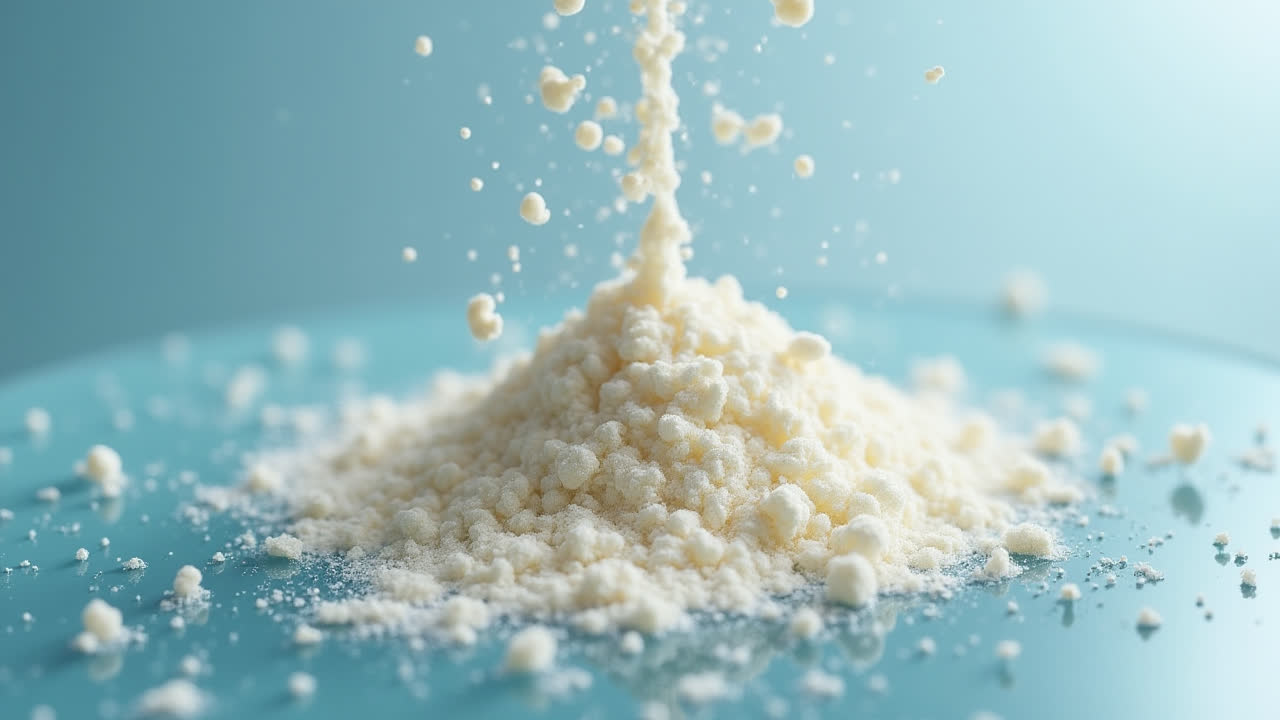
- Finally, it's dried and powdered for easy consumption
The Benefits You Can Actually Expect
Now, let's talk about what really matters – what can these supplements do for you? I've tried various collagen supplements over the years, and I've noticed some interesting patterns in my results and those of others I've consulted.
The benefits primarily revolve around supporting:
- Skin elasticity and hydration (though results vary from person to person)
- Joint comfort and mobility (especially noticeable if you exercise regularly)
- Hair and nail strength (some report faster growth)
- Gut health (collagen contains glycine and proline, which support digestive function)
I should mention that while some people see dramatic improvements, others notice more subtle changes. Your individual results will depend on factors like your current diet, age, lifestyle, and genetics.
How to Choose the Right Collagen Supplement
When shopping for collagen supplements, don't get caught up in the name game. Instead, focus on these crucial factors:
First, consider the type of collagen. Type I is great for skin and bones, Type II focuses on joint health, and Type III supports muscle structure. Many supplements offer a blend of these types.
Second, check the source. I personally prefer grass-fed bovine or wild-caught marine collagen for quality reasons. Some people choose based on dietary preferences or restrictions.
Third, look for additional ingredients. Some products include vitamin C for better absorption, or biotin for extra hair and nail support. Be wary of unnecessary fillers or artificial sweeteners though.
The Science Behind Absorption
One of the main reasons people choose hydrolyzed collagen (or collagen peptides, same thing!) is for better absorption. Regular collagen has molecules that are too large to pass through the intestinal wall efficiently. Through hydrolysis, these molecules become small enough to enter the bloodstream.
Research suggests that about 90% of hydrolyzed collagen is absorbed within 6 hours of consumption. This is significantly better than the absorption rate for regular collagen or even gelatin, which has longer amino acid chains.
However, I should note that not all the absorbed peptides will become collagen again. Your body uses these amino acids as building blocks for various proteins, not just collagen. So while you're supporting your body's collagen production, you're also providing general protein support.
Practical Tips for Using Collagen Supplements
From my experience and conversations with nutritionists, here are some practical tips for getting the most out of your collagen supplement:
- Take it consistently – most people see results after 4-12 weeks of daily use
- Consider timing – some prefer morning intake for energy boost, others before bed for recovery
- Pair with vitamin C for better synthesis
- Start with a lower dose and gradually increase to see how your body responds
Remember, collagen supplements are not a magic pill. They work best as part of a balanced diet and healthy lifestyle. I've seen the best results when people combine collagen supplements with proper hydration, regular exercise, and a nutrient-rich diet.
Common Myths and Misconceptions
Let me address some myths I've encountered:
Myth #1: Collagen peptides are somehow "better" than hydrolyzed collagen. This is false – they're the same product with different names.
Myth #2: You need to take huge amounts to see benefits. Actually, most studies use 2.5-15 grams daily with good results.
Myth #3: Plant-based collagen is available. There's no such thing – plants don't make collagen. Some products contain collagen-building nutrients, but they're not collagen themselves.
Comparison Table: Hydrolyzed Collagen vs Collagen Peptides
| Feature | Hydrolyzed Collagen | Collagen Peptides |
|---|---|---|
| Product Identity | Same as collagen peptides | Same as hydrolyzed collagen |
| Molecular Structure | Broken-down amino acid chains | Broken-down amino acid chains |
| Absorption Rate | 90% within 6 hours | 90% within 6 hours |
| Production Process | Hydrolysis of collagen | Hydrolysis of collagen |
| Solubility | Dissolves in hot and cold liquids | Dissolves in hot and cold liquids |
| Flavor | Typically flavorless and odorless | Typically flavorless and odorless |
| Benefits | Skin, joint, hair, nail health | Skin, joint, hair, nail health |
| Price Point | Similar pricing | Similar pricing |
The Bottom Line
After all my research and testing, here's the simple truth: hydrolyzed collagen and collagen peptides are different names for the same supplement. Don't let marketing confuse you.
What matters more than the name is the quality of the product, the source of the collagen, and how consistently you use it. Look for reputable brands, consider your dietary preferences, and give any supplement at least 2-3 months to show results.
Most importantly, remember that supplements are just that – supplements. They complement, not replace, a healthy diet and lifestyle. I've found that my best results came when I combined collagen supplements with regular exercise, good sleep habits, and a balanced diet rich in fruits and vegetables.
Frequently Asked Questions
Is hydrolyzed collagen the same as collagen peptides?
Yes, hydrolyzed collagen and collagen peptides are exactly the same product. These are just two different names for collagen that has undergone hydrolysis to break it down into smaller, more absorbable pieces. Whether a product says "hydrolyzed collagen" or "collagen peptides" on the label, you're getting the same thing.
How much hydrolyzed collagen should I take daily?
Most studies use doses between 2.5 to 15 grams of hydrolyzed collagen per day, with 10 grams being a common recommendation. The ideal amount may vary based on your goals – skin health might benefit from 2.5-5 grams daily, while joint support might require 10-15 grams. Start with a lower dose and adjust based on your results.
How long does it take to see results from collagen supplements?
Most people start noticing results after 4-12 weeks of consistent daily use. Skin improvements might be visible in 4-8 weeks, while joint benefits could take 8-12 weeks. Individual results vary based on factors like age, diet, and overall health. Patience and consistency are key when taking collagen supplements.
References:
- https://www.furtherfood.com/difference-between-collagen-gelatin-collag
- https://draxe.com/nutrition/supplements/hydrolyzed-collagen-peptides/
- https://www.goodhousekeeping.com/health/a20707028/collagen-supplement-
- https://commons.wikimedia.org/w/index.php?curid=60990083
- https://commons.wikimedia.org/w/index.php?curid=45065840