How Proteins Are Constructed From Amino Acids: The Building Blocks of Life
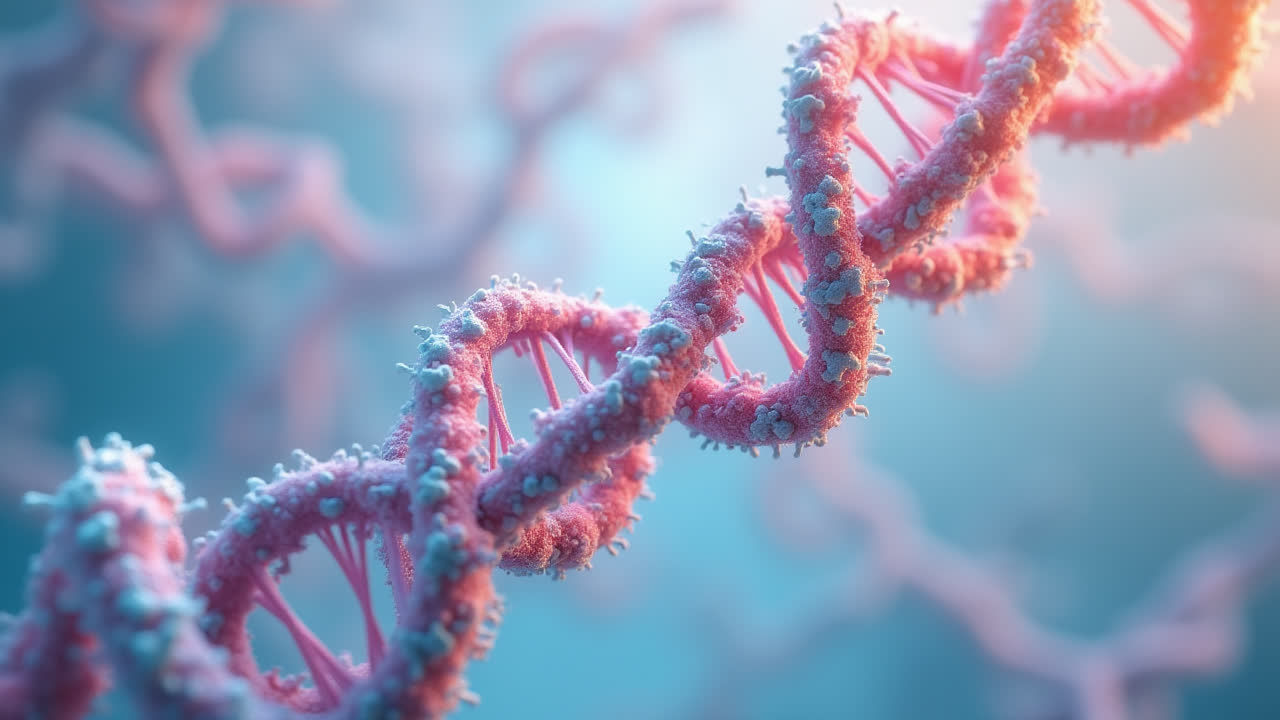
Life as we know it wouldn't exist without proteins. These remarkable macromolecules power virtually every biological process in our bodies, from muscle contraction to immune defense. But have you ever wondered how these complex structures come to be? The answer lies in the fascinating world of amino acids and the intricate process of protein construction. Whether you're a biology student, health enthusiast, or simply curious about how your body works, understanding this fundamental process can give you a deeper appreciation for the molecular machinery that keeps us alive.
The Fundamental Relationship Between Proteins and Amino Acids
Proteins are often called the workhorses of the cell, and for good reason. These versatile molecules serve as enzymes, structural components, transporters, and so much more. But what exactly are they made of? At their core, proteins are polymers – long chains built from smaller units called monomers. In the case of proteins, these monomers are amino acids.
There are 22 proteinogenic amino acids used by our bodies to construct the thousands of different proteins needed for survival. Each amino acid has a unique chemical structure that contributes specific properties to the final protein. Think of amino acids as letters in an alphabet – just as we can arrange 26 letters to create countless words and sentences, our bodies arrange these 22 amino acids to create the vast library of proteins that make life possible.
What makes proteins truly remarkable is their specificity. The sequence of amino acids determines not just the protein's shape, but its entire function. Change even a single amino acid in the sequence, and you might completely alter how the protein works – or whether it works at all. This is why genetic mutations that affect amino acid sequences can sometimes lead to serious diseases. It's like changing one letter in a word; "house" becomes "mouse," and suddenly you're talking about something completely different!
The Chemistry Behind Protein Construction
So how exactly does our body string amino acids together to form proteins? The process begins with understanding the structure of amino acids themselves. Each amino acid contains four key components arranged around a central carbon atom: a carboxylic acid group (-COOH), an amine group (-NH2), a hydrogen atom (H), and a variable side chain (R group) that gives each amino acid its unique identity. It's this side chain that determines the chemical properties of each amino acid – whether it's hydrophobic (water-repelling), hydrophilic (water-loving), acidic, basic, or neutral.
When two amino acids come together, they form what's called a peptide bond. This chemical reaction occurs between the carboxylic acid group of one amino acid and the amine group of another. During this process, a water molecule is released – a type of reaction known as condensation. The resulting bond creates a dipeptide, and as more amino acids join the chain, we get tripeptides, oligopeptides, and eventually full polypeptide chains that may contain hundreds or even thousands of amino acids.
This process doesn't happen spontaneously in our bodies – it requires energy, which comes in the form of ATP (adenosine triphosphate), our cellular energy currency. The protein synthesis machinery in our cells carefully controls this process, ensuring that amino acids are added in precisely the right order according to the genetic instructions in our DNA. I've always found it mind-boggling that our bodies perform this intricate molecular choreography billions of times every day without us giving it a second thought!
From Peptide Bonds to Functional Proteins
Forming peptide bonds is just the beginning of protein construction. Once a polypeptide chain is assembled, it must fold into a specific three-dimensional structure to become functional. This folding process is driven by interactions between the side chains of the amino acids in the sequence. Hydrophobic side chains tend to cluster in the protein's interior, away from water, while hydrophilic ones often remain on the surface. Electrically charged side chains can form ionic bonds, while certain amino acids can create hydrogen bonds or disulfide bridges that help stabilize the protein's structure.
The folding process gives rise to several levels of protein structure. The primary structure is simply the linear sequence of amino acids. The secondary structure involves local folding patterns like alpha helices and beta sheets. The tertiary structure is the overall three-dimensional shape of a single polypeptide chain. And many proteins consist of multiple polypeptide chains arranged together in a quaternary structure. Each level builds upon the previous one, creating increasingly complex architectures that enable proteins to perform their specific functions.
What's truly remarkable about protein folding is its precision and reliability. Most proteins fold into their correct configuration spontaneously, guided by nothing more than the physical and chemical properties of their amino acid sequence. However, sometimes this process needs help. Special proteins called chaperones assist other proteins in folding correctly, especially under stress conditions. When folding goes wrong – which can happen due to mutations, environmental factors, or aging – the result can be misfolded proteins that not only fail to function properly but can actively cause harm, as seen in diseases like Alzheimer's and Parkinson's.
Essential vs. Non-Essential Amino Acids
Of the 22 proteinogenic amino acids used in protein synthesis, our bodies can only manufacture 13 of them internally. The remaining 9 are classified as essential amino acids because they must be obtained through our diet. These essential amino acids include histidine, isoleucine, leucine, lysine, methionine, phenylalanine, threonine, tryptophan, and valine. Without adequate intake of these critical building blocks, our bodies cannot construct certain proteins, which can lead to various health problems.
The concept of essential amino acids has important implications for nutrition, especially for those following plant-based diets. While animal products typically contain all essential amino acids in appropriate proportions (making them "complete proteins"), many plant sources are lacking in one or more essential amino acids. This is why vegetarians and vegans need to eat a variety of plant foods to ensure they get all essential amino acids. For example, beans are low in methionine but high in lysine, while grains have the opposite profile. Eating them together provides all the essential amino acids the body needs.
Some amino acids, while technically "non-essential," become conditionally essential under certain circumstances. During periods of illness, growth, or stress, the body's demand for specific amino acids may exceed its ability to produce them. For instance, glutamine is normally non-essential, but during severe illness, the body may require more than it can synthesize. Similarly, children may need amino acids that adults can produce sufficiently. I've found that understanding these nuances is crucial for optimizing nutrition, especially during different life stages or health conditions.
The Role of Proteins in Bodily Functions
Once constructed, proteins perform an astonishing array of functions throughout the body. Enzymes, which are specialized proteins, catalyze virtually all the chemical reactions in our cells, from digesting food to replicating DNA. Structural proteins like collagen and keratin provide physical support and protection for our tissues. Transport proteins move molecules around within cells or throughout the body – hemoglobin, for instance, transports oxygen in our blood. Defensive proteins, including antibodies, help protect us from disease.
Hormones like insulin, which regulates blood sugar, are proteins that serve as chemical messengers, coordinating activities throughout the body. Receptor proteins on cell surfaces detect signals from the environment or other cells, triggering appropriate responses. Storage proteins hold amino acids in reserve for times of need. The list goes on and on – there's hardly a biological process that doesn't involve proteins in some way.
The variety of protein functions stems directly from the diversity of their amino acid compositions and three-dimensional structures. Each protein's unique shape creates specific binding sites that can interact with other molecules in precise ways. This specificity is what allows enzymes to catalyze particular reactions, antibodies to recognize specific pathogens, and receptors to bind only certain signaling molecules. It's a beautiful example of how molecular structure dictates function at the cellular level.
Comparison: Essential vs. Non-Essential Amino Acids
| Characteristic | Essential Amino Acids | Non-Essential Amino Acids |
|---|---|---|
| Source | Must be obtained through diet | Can be synthesized by the body |
| Number | 9 amino acids | 13 amino acids |
| Examples | Lysine, threonine, tryptophan, histidine, phenylalanine, leucine, isoleucine, valine, methionine | Glutamine, glutamic acid, aspartic acid, asparagine, alanine, serine, cysteine, glycine, proline, tyrosine, arginine |
| Dietary Importance | Critical to consume daily in adequate amounts | Less critical as body can produce them |
| Deficiency Effects | Growth problems, muscle wasting, immune dysfunction, hormonal imbalances | Generally less severe unless under specific health conditions |
| Complete Food Sources | Animal products, quinoa, buckwheat, soy | Wide variety of foods |
| Conditional Status | Always essential | Some may become conditionally essential during illness, stress, or growth |
| Supplementation Need | May require supplementation for certain diets (e.g., vegan) | Rarely requires supplementation except in medical conditions |
Frequently Asked Questions
What happens if we don't get enough essential amino acids in our diet?
Insufficient intake of essential amino acids can lead to a range of health problems. In the short term, you might experience fatigue, weakness, and mood changes. Prolonged deficiency can result in more serious issues like muscle wasting, decreased immune function, hair loss, skin problems, and poor wound healing. In children, inadequate essential amino acid intake can stunt growth and development. The severity of symptoms depends on which amino acids are lacking and for how long. This is why balanced nutrition is so important – your body needs all essential amino acids to function properly and maintain health.
How do vegetarians and vegans ensure they get all essential amino acids?
Vegetarians and vegans can ensure complete protein intake through strategic food combining and selection. While most plant proteins lack one or more essential amino acids, eating a variety of plant foods throughout the day creates a complete amino acid profile. Classic combinations include beans with rice, hummus with pita, or peanut butter on whole grain bread. Some plant foods are complete proteins on their own, including quinoa, buckwheat, hemp seeds, chia seeds, and soy products like tofu and tempeh. Contrary to previous beliefs, these complementary proteins don't need to be consumed at the same meal – eating a diverse range of plant proteins throughout the day is sufficient for most healthy adults.
What role does protein folding play in diseases?
Protein folding plays a crucial role in several diseases. When proteins fail to fold correctly or unfold and refold inappropriately, they can form toxic aggregates that damage cells. These misfolded protein aggregates are hallmarks of neurodegenerative conditions like Alzheimer's disease (amyloid-beta and tau proteins), Parkinson's disease (alpha-synuclein), and Huntington's disease (huntingtin protein). Other diseases caused by protein misfolding include cystic fibrosis, certain types of cancer, and prion diseases like Creutzfeldt-Jakob disease. Research into protein folding mechanisms is a hot area in medical science, with scientists working to develop treatments that either prevent misfolding or clear misfolded proteins from the body. Understanding these processes could potentially lead to breakthroughs in treating these currently challenging diseases.
Conclusion: The Marvels of Protein Construction
The journey from individual amino acids to fully functional proteins is one of nature's most impressive feats of chemical engineering. Through peptide bond formation, precise folding, and meticulous quality control, our bodies construct countless proteins that perform the myriad tasks necessary for life. This process, occurring constantly in our cells, represents biology at its most fundamental and most beautiful.
Understanding protein construction gives us insight into not just how our bodies work, but also into what can go wrong in disease states. It helps explain why nutrition – particularly getting adequate amounts of essential amino acids – is so important for health. And it provides the foundation for many modern medical and biotechnological advances, from engineered therapeutic proteins to lab-grown meat.
Next time you enjoy a protein-rich meal, take a moment to appreciate the incredible molecular machinery that will break down those proteins into amino acids and then reassemble them into the specific proteins your body needs. It's a reminder of just how remarkable the chemistry of life truly is – and how much we still have to learn about the intricate processes that keep us alive and functioning day after day.