How Cytokines Trigger Inflammation: The Body's Healing Response Explained
Have you ever fallen and hit yourself somewhere hard, only to notice warmth, redness, and swelling develop shortly after? Or perhaps you've experienced a bump on your head that formed a tender lump? These are classic signs of inflammation, one of your body's most important protective mechanisms. Behind these visible symptoms lies an intricate biological process driven by powerful cellular messengers called cytokines.
Understanding Cytokines: The Body's Cellular Messengers
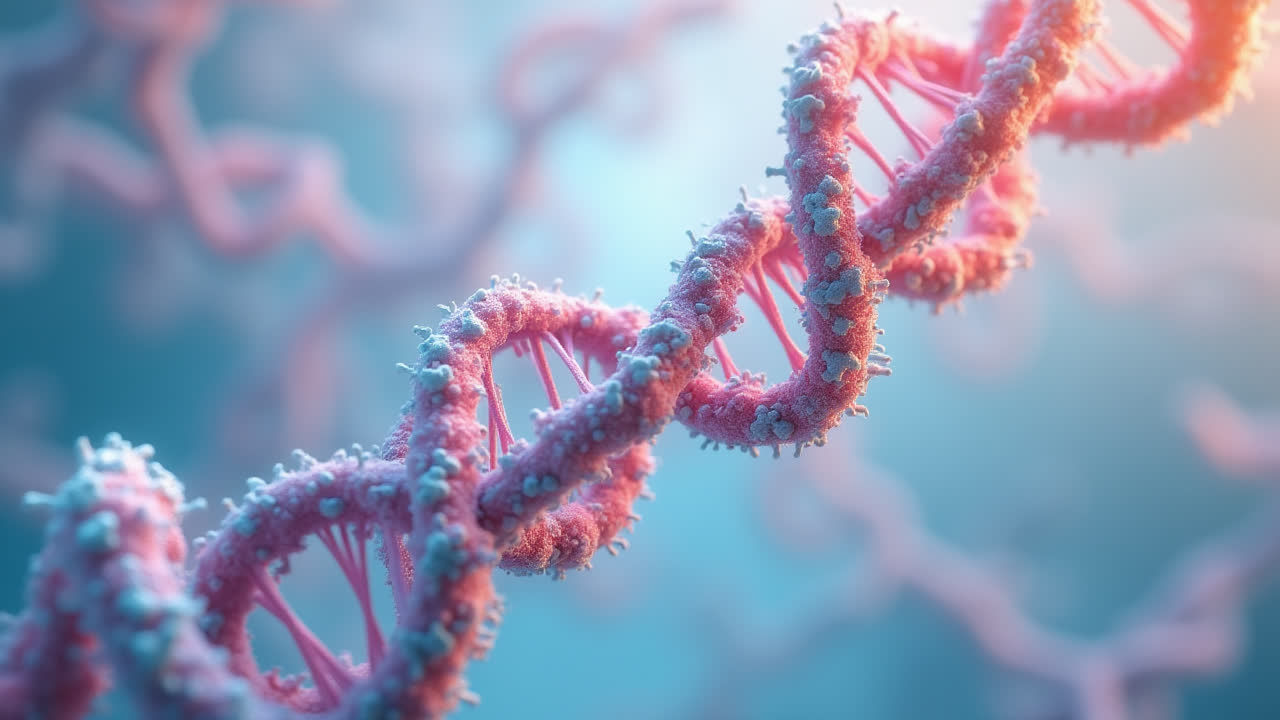
Cytokines are small yet mighty proteins that play a crucial role in cell signaling and communication between cells throughout your body. Think of them as the messengers that coordinate your immune system's response to injury or infection. These remarkable molecules maintain different signaling systems: autocrine (affecting the cells that produced them), paracrine (influencing nearby cells), and endocrine (traveling through the bloodstream to affect distant cells).
While scientists are still researching the exact distinctions between cytokines and hormones, they share several similarities in how they regulate bodily functions. Your body produces various types of cytokines, including chemokines, interferons, interleukins, lymphokines, and tumor necrosis factors (TNF). These essential proteins come from diverse cellular sources such as:
- Macrophages (specialized immune cells that engulf pathogens)
- B lymphocytes and T lymphocytes (white blood cells central to immune response)
- Mast cells (involved in allergic reactions and wound healing)
- Endothelial cells (lining blood vessels)
- Fibroblasts (connective tissue cells that produce collagen)
- Stromal cells (supporting cells in various tissues)
Working through specific receptors, cytokines perform critical immunological functions by balancing humoral immunity (antibody-based) and cell-mediated immunity. They also regulate the growth, maturation, and responsiveness of various cell populations while enhancing or inhibiting the actions of other cytokines. This intricate dance of cellular communication helps maintain your body's defense systems.
What Is Inflammation? A Protective Response
Inflammation represents your body's sophisticated attempt at self-protection and healing. When tissue damage occurs – whether from physical trauma, infection, or other harmful stimuli – inflammation kicks in as a defense mechanism. But what exactly happens during this process?
At its core, inflammation aims to eliminate whatever is causing cell injury, remove damaged cells and irritants, and begin the healing process. The inflammatory response is your body's way of calling for reinforcements, increasing blood flow to the affected area, and delivering the immune cells needed to address the threat. Without this critical response, wounds would not heal properly, and infections could spread unchecked throughout your body.
You've likely noticed the four cardinal signs of inflammation that occur when you injure yourself: redness, heat, swelling, and pain. These aren't random symptoms – they're carefully orchestrated by cytokines to create the optimal environment for healing. Each symptom serves a specific purpose in the body's recovery process, from increasing blood flow to the affected area to alerting you that the area needs protection while it heals.
The Cytokine-Inflammation Connection: How It Works
When injury or infection occurs, a specific group of cytokines known as anti-inflammatory cytokines springs into action. These immunoregulatory molecules work to regulate the pro-inflammatory cytokine response, ensuring that inflammation remains controlled and targeted. They coordinate with various cytokine inhibitors and soluble cytokine receptors to mount an effective immune response against harmful stimuli without allowing inflammation to spiral out of control.
The major types of anti-inflammatory cytokines include:
- Interleukin (IL)-1 receptor antagonist
- IL-4, IL-10, IL-11, IL-13
- Leukemia inhibitory factor
- Interferon-alpha
- IL-6 and transforming growth factor (TGF)-β
Interestingly, some cytokines like IL-1, TNF-α, and IL-18 perform dual functions, sometimes acting as inhibitors for pro-inflammatory cytokines. Among these, IL-10 stands out as particularly important, with potent anti-inflammatory properties that can suppress the expression of inflammatory cytokines like TNF-α, IL-6, and IL-1 in activated macrophages.
When trauma occurs, tumor necrosis factor-alpha (TNF-α) emerges as the first cytokine produced by activated macrophages and monocytes. This triggers a rapid sequence of events that ultimately leads to the classic signs of inflammation you experience after an injury.
Comparing Pro-inflammatory and Anti-inflammatory Cytokines
| Characteristic | Pro-inflammatory Cytokines | Anti-inflammatory Cytokines |
|---|---|---|
| Primary Function | Initiate and amplify inflammation | Regulate and suppress inflammation |
| Key Examples | TNF-α, IL-1, IL-6, IL-12, IL-18 | IL-4, IL-10, IL-13, TGF-β |
| Cellular Sources | Macrophages, monocytes, T cells | T regulatory cells, macrophages, dendritic cells |
| Effect on Blood Vessels | Vasodilation, increased permeability | Helps restore normal vascular function |
| Immune Cell Recruitment | Attracts neutrophils and macrophages | Limits excessive immune cell infiltration |
| Tissue Impact | Can cause tissue damage if prolonged | Promotes tissue repair and healing |
| Clinical Significance | Elevated in chronic inflammatory diseases | Therapeutic targets for inflammatory conditions |
| Timing in Inflammation | Dominate early phase of inflammation | Increase during resolution phase |
The Inflammation Cascade: From Injury to Healing
Following an injury, TNF-α causes nearby capillaries to dilate, increasing blood flow to the damaged area. This allows white blood cells to rapidly reach the site of infection or injury. Within seconds, signals cascade throughout the body, triggering the destruction of damaged cells to prevent infection from spreading further.
The four characteristic signs of inflammation – redness, warmth, swelling, and pain – are direct responses to TNF-α activity. Redness and increased temperature result from capillary dilation and enhanced blood flow to the affected area. Meanwhile, the constriction of vessels carrying blood away from the injury site leads to engorgement of the capillary network. As these vessels become more permeable, protein-rich fluids move into surrounding tissues, causing the swelling you experience after an injury.
Cytokines further enhance the inflammatory response by attracting specialized immune cells to the injury site. While neutrophils typically arrive first, macrophages soon follow, helping to clean up cellular debris and promote healing. This carefully orchestrated process ensures your body can effectively respond to injuries and infections while minimizing potential damage.
Frequently Asked Questions About Cytokines and Inflammation
Are all types of inflammation harmful to the body?
No, not all inflammation is harmful. Acute inflammation is actually beneficial and necessary for healing. It's the body's natural defense mechanism against injuries, infections, and toxins. This short-term response helps eliminate the initial cause of cell injury, clear out damaged cells, and begin the healing process. However, chronic inflammation—when the inflammatory response persists for prolonged periods—can be harmful and is associated with many diseases including arthritis, heart disease, and diabetes.
How do anti-inflammatory medications affect cytokine activity?
Anti-inflammatory medications work by targeting different aspects of the inflammatory pathway, including cytokine activity. For example, non-steroidal anti-inflammatory drugs (NSAIDs) like ibuprofen inhibit enzymes called cyclooxygenases, which reduce the production of prostaglandins—compounds that promote inflammation. Corticosteroids are more powerful anti-inflammatory drugs that suppress multiple inflammatory genes and inhibit the production of various cytokines. Newer biological therapies specifically target individual cytokines like TNF-α or IL-1, blocking their activity to reduce inflammation in conditions like rheumatoid arthritis.
Can diet affect cytokine production and inflammation in the body?
Yes, diet can significantly influence cytokine production and inflammation levels. Certain foods have anti-inflammatory properties, such as fatty fish rich in omega-3 fatty acids, colorful fruits and vegetables containing antioxidants, nuts, olive oil, and green tea. These foods can help reduce pro-inflammatory cytokine production. Conversely, highly processed foods, refined carbohydrates, and foods high in saturated and trans fats may promote inflammation by increasing pro-inflammatory cytokine levels. This is why many health professionals recommend Mediterranean or other anti-inflammatory diets for managing chronic inflammatory conditions.
Conclusion: The Critical Role of Cytokines in Your Body's Defense
Cytokines serve as vital players in your body's inflammatory response, orchestrating a complex series of events that protect you from injury and infection. Produced by various cells including infected cells, dendritic cells, and macrophages, these powerful proteins respond rapidly to trauma through the protective mechanism of inflammation.
The next time you notice swelling, redness, warmth, or pain after an injury, remember that you're witnessing your body's sophisticated defense system in action. This intricate process, driven by cytokines, works tirelessly to protect you from harm and promote healing when injury occurs. Understanding this process gives us greater appreciation for the remarkable ways our bodies maintain health and respond to challenges.
As research continues to explore the complex world of cytokines and inflammation, scientists hope to develop even more effective treatments for inflammatory conditions, potentially transforming the management of everything from minor injuries to chronic inflammatory diseases.