Histamine vs Cytokines: Understanding Their Crucial Roles in Immunity
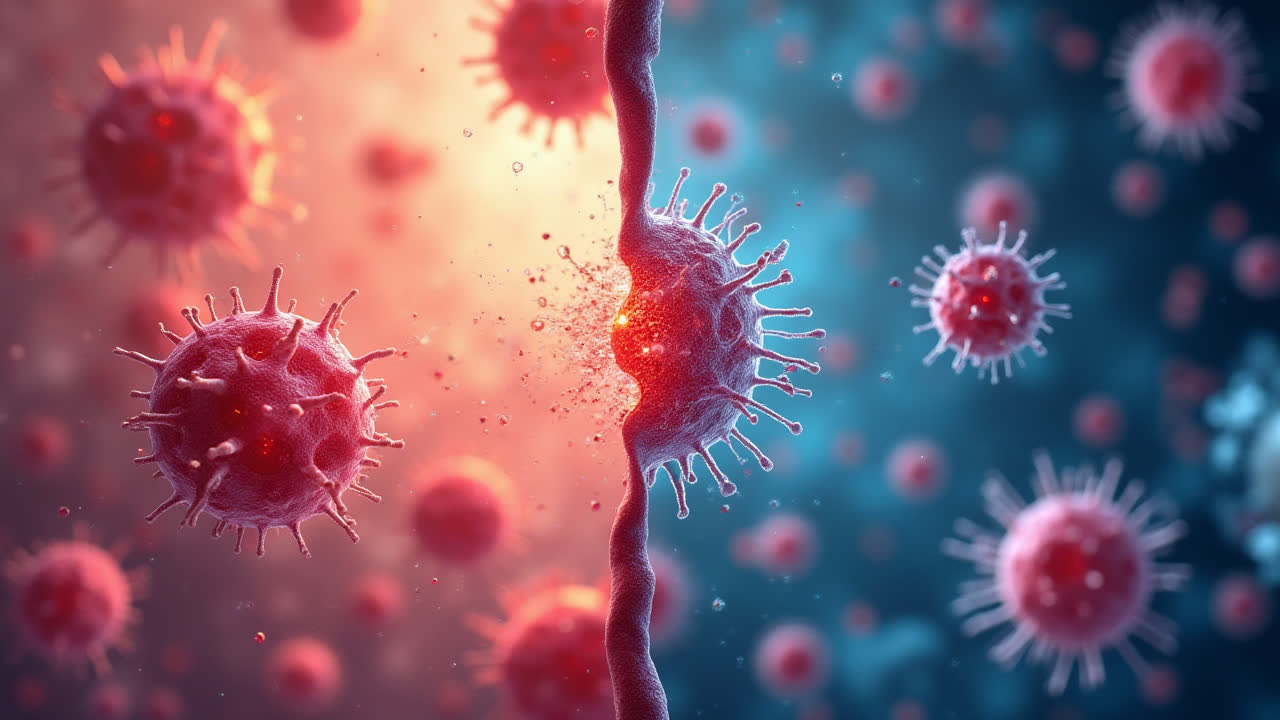
The human immune system relies on a complex network of chemical messengers to coordinate defense responses. Among these vital compounds, histamine and cytokines stand out as critical players with distinct functions and characteristics. Have you ever wondered why your body reacts the way it does during an allergic reaction, or how your immune cells communicate during an infection? The answer lies in understanding these fascinating compounds.
Our bodies contain thousands of chemical compounds that perform specialized functions in maintaining health and fighting disease. Some of these compounds, like histamine and cytokines, are particularly important in immune responses, though they work in remarkably different ways. While histamine is primarily known for triggering those unpleasant allergy symptoms, cytokines serve as the communication network that coordinates your entire immune response.
I've always found the immune system fascinating - it's like having an internal army that's constantly on patrol. When I developed seasonal allergies in my twenties, I became personally acquainted with histamine's effects! Those sneezing fits and watery eyes led me down a rabbit hole of research into how these compounds actually work in our bodies.
What is Histamine? Nature's Alarm System
Histamine is an organic nitrogenous compound classified as an amine that plays a crucial role in local immune responses. Its chemical structure consists of an ethylamine chain attached to an imidazole ring (with the IUPAC name 2-(1H-Imidazol-4-yl) ethanamine). But what does this actually mean for your body? Well, histamine acts as your immune system's first responder - it's released when your body detects something it considers potentially harmful.
When allergens like pollen, pet dander, or certain foods enter your system, specialized immune cells called mast cells and basophils release histamine into your bloodstream. This release triggers an immediate inflammatory response - blood vessels dilate, fluid leaks into tissues, and smooth muscles contract. These reactions are designed to flush out the perceived threat, but unfortunately, they're also responsible for those miserable allergy symptoms we experience.
Interestingly, histamine isn't just produced during allergic reactions. It's also naturally found in many foods, particularly those that are aged, fermented, or preserved. Ever noticed feeling flushed after drinking red wine or eating aged cheese? That might be a histamine reaction! Some people with histamine intolerance have difficulty breaking down this compound, leading to symptoms that mimic allergies even when no allergen is present.
In the brain, histamine even functions as a neurotransmitter, helping to regulate sleep, appetite, and alertness. This is why some antihistamine medications can make you feel drowsy - they're blocking histamine's wake-promoting effects in your central nervous system. The multifunctional nature of histamine shows just how versatile even a single chemical compound can be in our intricate biological systems.
What are Cytokines? The Body's Communication Network
Cytokines represent a diverse group of small protein molecules that function as the immune system's communication network. Unlike histamine, which is a single compound with specific effects, cytokines comprise a large family of signaling proteins with varied and sometimes overlapping functions. They're essentially the "language" that immune cells use to talk to each other, coordinating complex responses to infection, injury, and disease.
These remarkable messenger molecules are produced by a wide variety of cells throughout the body, not just immune cells. When released, they bind to specific receptors on target cells, triggering precise biological responses. Some cytokines promote inflammation (pro-inflammatory), while others reduce it (anti-inflammatory). Some stimulate immune cell production, while others direct mature immune cells to specific locations in the body. It's through this sophisticated communication system that your immune response remains both powerful and precisely controlled.
Cytokines are classified into several categories based on their structure, function, or cellular origin. For instance, interleukins primarily regulate interactions between leukocytes (white blood cells), interferons help cells resist viral infections, and chemokines direct cell movement during immune responses. This specialization allows for incredibly nuanced control over immune functions.
You might have heard about cytokines during discussions of COVID-19 and the "cytokine storm" phenomenon. This is what happens when cytokine production spirals out of control, leading to excessive inflammation that can damage healthy tissues. On the flip side, medical science has harnessed cytokines for therapeutic purposes, using them in treatments for certain cancers, autoimmune disorders, and infectious diseases. The ability to manipulate this communication network offers exciting possibilities for future medical breakthroughs.
Key Differences Between Histamine and Cytokines
| Characteristic | Histamine | Cytokines |
|---|---|---|
| Chemical Classification | Amine (organic nitrogenous compound) | Proteins (signaling molecules) |
| Primary Function | Mediates allergic responses and inflammation | Regulates immune cell communication and responses |
| Source Cells | Primarily mast cells and basophils | Various immune and non-immune cells throughout the body |
| Response Time | Immediate (minutes) | Variable (hours to days) |
| Diversity | Single compound | Large family of different molecules |
| Role in Allergies | Primary mediator of allergic symptoms | Secondary regulators of allergic inflammation |
| Medical Applications | Targeted by antihistamine medications | Used in immunotherapy and as biological treatments |
| Presence in Food | Found naturally in certain foods | Not significantly present in foods |
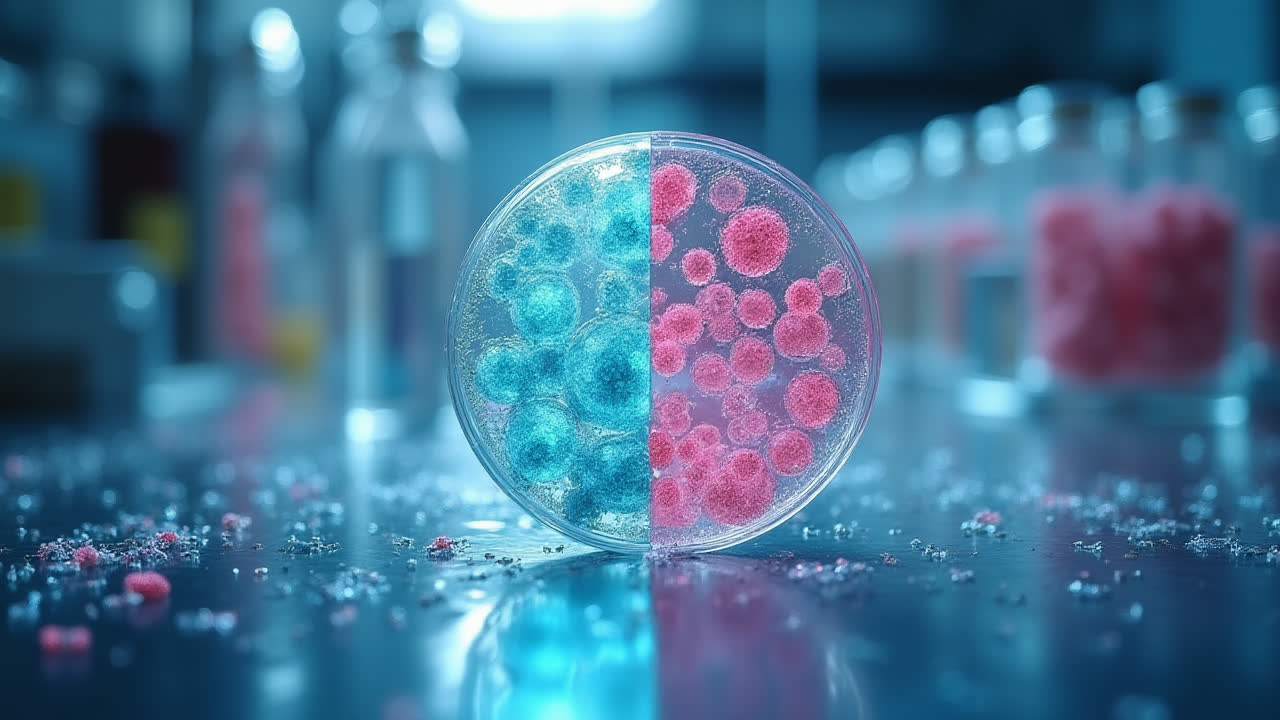
While both histamine and cytokines participate in immune responses, they differ dramatically in their structure, origin, and functional roles. Histamine is a single type of molecule that primarily triggers the immediate symptoms we associate with allergic reactions. It's like the alarm bell that rings loudly when your immune system detects a potential threat. Cytokines, on the other hand, are more like an intricate messaging system that coordinates the entire immune response across different cells and tissues.
Another key difference lies in their chemical nature. Histamine is an amine derived from the amino acid histidine, while cytokines are proteins composed of amino acid chains. This structural difference influences how these compounds are produced, stored, and metabolized in the body, as well as how they interact with their respective cellular receptors.
The timing of their actions also differs significantly. Histamine creates rapid, localized effects that we typically notice right away, like sneezing or skin welts. Cytokines, however, can produce effects that develop more gradually and may persist for longer periods, helping to shape immune responses over days or even weeks. This temporal difference reflects their distinct roles in the broader immune response - histamine as an immediate responder and cytokines as sophisticated coordinators of longer-term defense mechanisms.
Histamine and Cytokines in Disease and Treatment
Understanding the distinct roles of histamine and cytokines has led to important medical applications. Antihistamine medications are commonplace for managing allergic conditions by blocking histamine receptors, thereby preventing this compound from triggering allergy symptoms. These medications have transformed life for millions of allergy sufferers worldwide. I remember how life-changing it was when I found the right antihistamine for my hay fever - suddenly I could enjoy spring again!
Cytokine-targeted therapies represent a more recent and revolutionary approach to treating various diseases. Conditions like rheumatoid arthritis, psoriasis, and certain cancers now have treatments that specifically target cytokine pathways. For instance, tumor necrosis factor (TNF) inhibitors have dramatically improved outcomes for inflammatory bowel diseases and arthritis by blocking this pro-inflammatory cytokine. Similarly, interleukin inhibitors have transformed treatment for severe asthma and other inflammatory conditions.
The COVID-19 pandemic brought cytokine-related treatments into the spotlight. Severe cases of COVID-19 can involve a dangerous "cytokine storm" where excessive cytokine production leads to potentially fatal inflammation. Medications that modulate specific cytokines have shown promise in managing these severe cases, highlighting the importance of understanding these immune messengers.
While histamine primarily relates to allergic and inflammatory conditions, dysregulation of cytokines is implicated in a much broader range of diseases, including autoimmune disorders, chronic inflammatory conditions, and certain cancers. This difference reflects the more specialized role of histamine versus the wider-reaching influence of cytokines throughout the immune system and beyond.
Emerging research continues to unveil new connections between these chemical messengers and various health conditions. For example, recent studies suggest cytokine profiles might serve as biomarkers for certain diseases, potentially leading to earlier diagnosis and more personalized treatment approaches. The interaction between histamine and various cytokines is also an active area of research, suggesting that combined approaches targeting both pathways might offer enhanced therapeutic benefits for certain conditions.
Frequently Asked Questions About Histamine and Cytokines
Can you have high histamine and high cytokine levels simultaneously?
Yes, it's absolutely possible to have elevated levels of both histamine and cytokines simultaneously, particularly during allergic reactions and certain inflammatory conditions. When your immune system encounters an allergen or pathogen, the initial response often involves histamine release from mast cells, while cytokine production may increase shortly afterward as part of the coordinated immune response. This dual activation can be especially pronounced in conditions like severe allergic reactions, where both immediate histamine-mediated symptoms and longer-term cytokine-driven inflammation occur together. Chronic inflammatory conditions may also feature ongoing elevation of both these immune mediators, contributing to persistent symptoms.
How do antihistamines affect cytokine production?
Antihistamines primarily work by blocking histamine receptors, but research suggests they may also have secondary effects on cytokine production. Some studies indicate that certain antihistamines, particularly second-generation ones like cetirizine and loratadine, might modulate the production of specific pro-inflammatory cytokines. This suggests a more complex interaction between histamine and cytokine pathways than previously understood. However, these effects on cytokines are generally modest compared to the direct blocking of histamine receptors. For conditions where cytokine dysregulation is the primary issue (like autoimmune diseases), medications specifically targeting cytokine pathways are typically more effective than antihistamines alone.
Can dietary changes affect both histamine and cytokine levels?
Dietary choices can indeed influence both histamine and cytokine levels in the body. For histamine, following a low-histamine diet may help individuals with histamine intolerance by reducing consumption of histamine-rich foods like fermented products, aged cheeses, and certain alcoholic beverages. For cytokines, anti-inflammatory diets rich in omega-3 fatty acids, antioxidants, and polyphenols (found in fruits, vegetables, fatty fish, nuts, and olive oil) may help reduce pro-inflammatory cytokine production. Conversely, diets high in refined carbohydrates, trans fats, and excessive sugar may promote inflammatory cytokine production. Some people with chronic inflammatory conditions report symptom improvement when adopting dietary approaches that address both histamine content and inflammation-modulating foods, though individual responses vary significantly.
Conclusion: Understanding the Immune System's Chemical Messengers
Histamine and cytokines represent two distinct but complementary aspects of our immune system's chemical communication network. While histamine functions primarily as an immediate response mediator that triggers the familiar symptoms of allergies, cytokines serve as sophisticated messengers that coordinate complex immune responses across multiple cell types and tissues.
The differences between these compounds—from their chemical structure and cellular origins to their specific functions and timing of action—highlight the remarkable complexity of our immune system. This intricate network of chemical signals ensures that our bodies can respond appropriately to diverse threats, from harmless pollen particles mistakenly identified as dangerous (triggering histamine release) to actual pathogens requiring coordinated immune attack (orchestrated by cytokines).
Medical advances in targeting both histamine and cytokine pathways have revolutionized treatment for numerous conditions, from common allergies to autoimmune disorders and beyond. As research continues to uncover new details about how these chemical messengers function and interact, we can expect even more sophisticated therapeutic approaches to emerge.
Understanding the distinct roles of histamine and cytokines not only satisfies scientific curiosity but also empowers us to make informed decisions about managing our health. Whether it's recognizing the signs of a histamine-mediated allergic reaction or appreciating how cytokine-targeted therapies might help with chronic inflammatory conditions, this knowledge has practical applications for everyday wellbeing.
References:
- https://www.webmd.com/diet/foods-high-in-histamine
- https://www.ncbi.nlm.nih.gov/pmc/articles/PMC2785020/
- https://commons.wikimedia.org/w/index.php?curid=49935829
- http://cnx.org/contents/GFy_h8cu@10.53:rZudN6XP@2/Introduction
- https://commons.wikimedia.org/w/index.php?curid=77708936
- http://www.scientificanimations.com/wiki-images/