HDPE vs MDPE: 7 Critical Differences You Need to Know
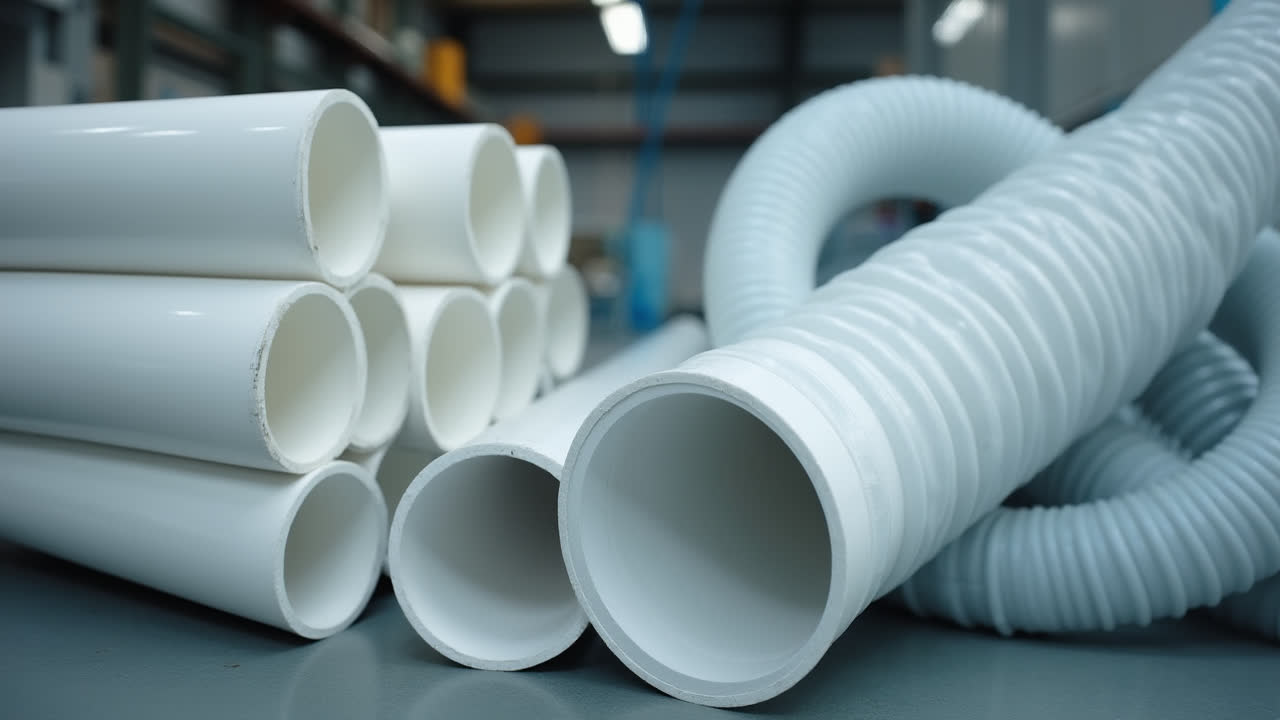
Ever found yourself staring at plastic pipes in a hardware store, wondering what those cryptic acronyms mean? You're not alone! The world of polyethylene plastics can be confusing, especially when trying to understand the difference between HDPE and MDPE. As someone who's worked with both materials extensively, I can tell you that choosing the wrong type can make or break your project.
The main difference between these two popular polyethylene types lies in their density—HDPE (High-Density Polyethylene) has a density of 0.941-0.965 g/cm³, while MDPE (Medium-Density Polyethylene) ranges from 0.926-0.940 g/cm³. This seemingly small variation actually creates significant differences in properties and applications.
Whether you're planning a plumbing project, designing packaging, or working on industrial applications, understanding these differences is crucial. I've seen professionals make costly mistakes by selecting the wrong material, and I don't want you to fall into the same trap. In this comprehensive guide, I'll break down everything you need to know about both materials, their unique properties, and exactly when to use each one.
What is HDPE (High-Density Polyethylene)?
HDPE belongs to the polyethylene family of plastics, characterized by long chains of carbon and hydrogen atoms. The chemical structure consists of repeating units of ethylene monomers (C2H4), with each monomer containing two carbon atoms and four hydrogen atoms. When these monomers undergo polymerization, they form high molecular weight HDPE with impressive mechanical properties.
What makes HDPE stand out is its linear, highly crystalline structure. This tight molecular arrangement is why it feels so dense and rigid when you hold it. I remember the first time I worked with HDPE piping—I was surprised by how solid yet lightweight it felt. This unique structure gives HDPE excellent mechanical properties and chemical resistance that few other plastics can match.
Due to its predominantly non-polar nature, HDPE shows remarkable resistance to chemical reactions with most acids, bases, and solvents. I've seen HDPE containers that have held harsh chemicals for years without showing any signs of degradation. This resilience makes it a go-to choice for chemical storage and transport applications where material integrity is non-negotiable.
Applications of HDPE
The versatility of HDPE makes it suitable for countless applications across various industries:
- Infrastructure: HDPE pipes and fittings for water, wastewater, and gas distribution stand up to corrosion in ways that traditional materials simply can't match
- Packaging: Those milk jugs, detergent bottles, and food containers you use daily? Many are made from HDPE, offering excellent moisture resistance and impact strength
- Construction: Geotextiles, geomembranes, and drainage systems benefit from HDPE's resistance to moisture and chemicals
- Storage Solutions: Chemical, pharmaceutical, and food industries rely on HDPE containers for safe storage and transportation
- Recreation: From playground equipment to outdoor furniture, HDPE's UV resistance and durability make it perfect for items exposed to the elements
- Agriculture: Irrigation pipes, mulch films, and greenhouse coverings leverage HDPE's versatility and weather resistance
What is MDPE (Medium-Density Polyethylene)?
MDPE shares the same basic chemical makeup as HDPE—it's also composed of polyethylene with those familiar long chains of carbon and hydrogen atoms. The fundamental structure remains the same, with repeating units of ethylene monomers (C2H4) consisting of two carbon atoms and four hydrogen atoms. The polymerization process forms medium molecular weight MDPE with its own set of distinct properties.
Where MDPE differs is in its molecular arrangement. It has a slightly less compact structure with a less uniform distribution of polymer chains. When I first started working with both materials, I could immediately feel the difference—MDPE has a more flexible, yielding quality that HDPE lacks. This structural difference might seem subtle, but it creates significant variations in how the materials perform.
Like HDPE, MDPE has a predominantly non-polar structure, giving it excellent resistance to most acids, bases, and solvents. However, its medium density (typically 0.926-0.940 g/cm³) places it between Low-Density Polyethylene (LDPE) and HDPE on the density spectrum. This middle-ground position gives MDPE a unique combination of flexibility and strength that makes it ideal for certain specialized applications.
Applications of MDPE
MDPE's distinctive properties make it the preferred choice for applications where flexibility is as important as durability:
- Gas Distribution: Natural gas pipelines benefit from MDPE's flexibility, impact resistance, and excellent gas barrier properties
- Water Supply: Pipes and tubing for water distribution take advantage of MDPE's flexibility and chemical resistance
- Agricultural Irrigation: MDPE pipes and tubing withstand moisture and chemical exposure in agricultural settings
- Geosynthetics: Geomembranes and geotextiles used for landfill liners and erosion control often incorporate MDPE
- Packaging: Bottles, containers, and bags leverage MDPE's toughness and flexibility
- Outdoor Equipment: Playground equipment, trash cans, and outdoor furniture benefit from MDPE's weather resistance and impact strength
HDPE vs MDPE: Key Similarities
Before diving into the differences, it's important to recognize that HDPE and MDPE share several fundamental characteristics that make them both valuable engineering plastics:
- Both are made from polyethylene, giving them similar chemical resistance profiles
- They share non-polar structures, making them resistant to water absorption
- Both materials offer good impact resistance and durability
- They're both recyclable (though facilities may process them differently)
- Both materials can be processed using similar manufacturing methods
I've worked on projects where either material would have been acceptable based on these shared characteristics. However, the differences—which we'll explore next—ultimately determined which material was the optimal choice for specific requirements.
HDPE vs MDPE: Detailed Comparison
| Characteristic | HDPE | MDPE |
|---|---|---|
| Density Range | 0.941-0.965 g/cm³ | 0.926-0.940 g/cm³ |
| Molecular Structure | Linear, highly crystalline with closely packed polymer chains | Less compact with less uniform distribution of polymer chains |
| Rigidity | More rigid, higher stiffness | More flexible, lower stiffness |
| Tensile Strength | Higher | Lower |
| Flexibility | Less flexible | More flexible and ductile |
| Melt Flow Ratio | Typically lower | Generally higher |
| Chemical Resistance | Excellent, especially at higher temperatures | Very good, but slightly less than HDPE at elevated temperatures |
| Ideal Applications | Rigid pipes, storage containers, industrial applications | Gas pipes, flexible conduits, applications requiring impact resistance |
This comparison highlights why material selection is so important. In one project I consulted on, a manufacturer initially specified HDPE for a gas pipeline system, only to discover that MDPE's superior flexibility and impact resistance made it the better choice for the underground installation in a region with frequent ground movement. This switch saved them significant maintenance costs in the long run.
Critical Differences in Detail
1. Density and Structure
The most fundamental difference between these materials lies in their density. HDPE's higher density (0.941-0.965 g/cm³) results from its uniform molecular structure with closely packed polymer chains. MDPE's medium density (0.926-0.940 g/cm³) comes from its slightly less compact molecular arrangement. This seemingly small difference in density values translates to significant variations in physical properties.
The structural differences affect everything from how the materials handle to how they perform under stress. When working with both materials side by side, you can feel the difference—HDPE has a more solid, rigid quality, while MDPE feels slightly more yielding and flexible. These tactile differences reflect important structural variations at the molecular level.
2. Flexibility vs. Rigidity
MDPE's less dense structure gives it greater flexibility compared to HDPE. This makes MDPE more suitable for applications requiring bending, expansion, or contraction. I've seen MDPE pipes bend around obstacles without kinking where HDPE pipes would require additional fittings or heat manipulation to achieve the same routing.
HDPE's greater rigidity makes it better suited for applications where structural integrity and dimensional stability are paramount. For container applications, HDPE's rigidity allows for thinner walls while maintaining strength, which can be a significant advantage for material efficiency and cost savings.
3. Tensile Strength and Durability
HDPE typically offers higher tensile strength than MDPE due to its more crystalline structure. This makes HDPE the preferred choice for applications involving high pressure or heavy loads. However, MDPE's greater flexibility often translates to superior impact resistance, making it better at absorbing sudden shocks or impacts without cracking.
This difference became clear to me when I witnessed a drop test comparing containers made from both materials. The HDPE containers maintained their shape better but were more prone to cracking on impact, while the MDPE containers deformed slightly but resisted cracking under the same conditions.
4. Processing and Manufacturing
MDPE generally has a higher melt flow ratio than HDPE, which affects how these materials behave during processing. MDPE's higher melt flow index makes it easier to process in certain manufacturing operations, potentially allowing for faster production cycles or more intricate molded details.
HDPE's lower melt flow ratio can make it more challenging to process but often results in products with better stress crack resistance and long-term durability. This processing difference affects everything from production speed to the finish quality of the final product.
5. Temperature Performance
While both materials perform well across a range of temperatures, HDPE typically maintains its properties better at higher temperatures than MDPE. This makes HDPE preferable for applications involving hot liquids or environments with elevated temperatures.
MDPE, however, often maintains better impact resistance at lower temperatures than HDPE. I've seen MDPE outperform HDPE in cold-weather installations where brittleness becomes a concern. This temperature-dependent behavior can be crucial when selecting materials for extreme environment applications.
Making the Right Choice: HDPE or MDPE?
The decision between HDPE and MDPE shouldn't be made lightly. Based on my experience working with both materials, here are some guidelines to help you make the right choice:
Choose HDPE When:
- Your application requires maximum rigidity and structural strength
- Chemical resistance at higher temperatures is essential
- You need excellent stress crack resistance for long-term applications
- The application involves containing or transporting materials under high pressure
- UV resistance is a primary concern for outdoor applications
Choose MDPE When:
- Flexibility and impact resistance are priorities
- Your application involves ground movement or requires stress absorption
- Installation requires bending or forming the material without heat
- The application will experience frequent impact or vibration
- Low-temperature performance is crucial
Remember that these guidelines aren't absolute rules. In some cases, a blend of both materials or a specialized grade of either HDPE or MDPE might be the optimal solution. Don't hesitate to consult with material specialists for critical applications where performance requirements are complex.
FAQ: Essential Questions About HDPE and MDPE
Which is better for outdoor water pipes, HDPE or MDPE?
For outdoor water pipes, MDPE often has the edge over HDPE, especially in areas with ground movement or freezing temperatures. MDPE's superior flexibility allows it to accommodate soil shifting without cracking, while its excellent impact resistance prevents damage during installation and from external forces like ground settlement or frost heave. Additionally, MDPE maintains good impact strength at lower temperatures, making it less brittle during freezing conditions. However, if your water system operates under very high pressure, HDPE's greater tensile strength might make it the better choice. Always consider your specific environmental conditions, pressure requirements, and installation method when making the final decision.
What are the main disadvantages of HDPE pipes?
Despite their popularity, HDPE pipes do have several disadvantages to consider. They're susceptible to damage from prolonged UV radiation exposure, which can cause degradation if not properly protected or buried. HDPE pipes also show reduced resistance to certain chemicals at elevated temperatures, potentially limiting their use in some industrial applications. From a practical standpoint, HDPE pipes are typically more expensive than some alternative pipe materials like PVC, which can impact project budgets significantly. Their rigidity can also be a disadvantage in installations requiring numerous bends or flexibility, often necessitating additional fittings or special installation techniques. Finally, HDPE requires proper installation techniques to prevent leakage or damage, potentially increasing labor costs or requiring specialized contractors.
Can MDPE and HDPE be welded together?
Yes, MDPE and HDPE can be welded together using heat fusion techniques, but this cross-material welding comes with important caveats. The different melt flow indices and molecular structures of these materials can create welds that are weaker than single-material joints. For non-critical applications, techniques like butt fusion, socket fusion, or electrofusion can create functional joints between MDPE and HDPE. However, for high-pressure or safety-critical systems, connecting these materials via mechanical fittings rather than direct welding is generally recommended. If welding is absolutely necessary, the process should be performed by qualified technicians following validated procedures, and the resulting joints should be tested thoroughly to verify integrity. Always consult material specifications and industry standards before attempting to join these different polyethylene grades.
Conclusion
The differences between HDPE and MDPE go far beyond their density values. Each material offers a unique set of properties that makes it ideal for specific applications. Understanding these differences is essential for making informed decisions that impact the performance, longevity, and cost-effectiveness of your projects.
Whether you choose HDPE for its rigidity and chemical resistance or MDPE for its flexibility and impact strength, selecting the right polyethylene type can make all the difference. As with any material decision, consider not just the immediate requirements but also the long-term performance expectations in your specific operating environment.
Have you worked with either of these materials? Which has performed better for your applications? The world of polyethylene plastics continues to evolve, with new grades and formulations arriving regularly to meet increasingly specialized needs.