Cultural Greeting Customs: How People Say Hello Around the World
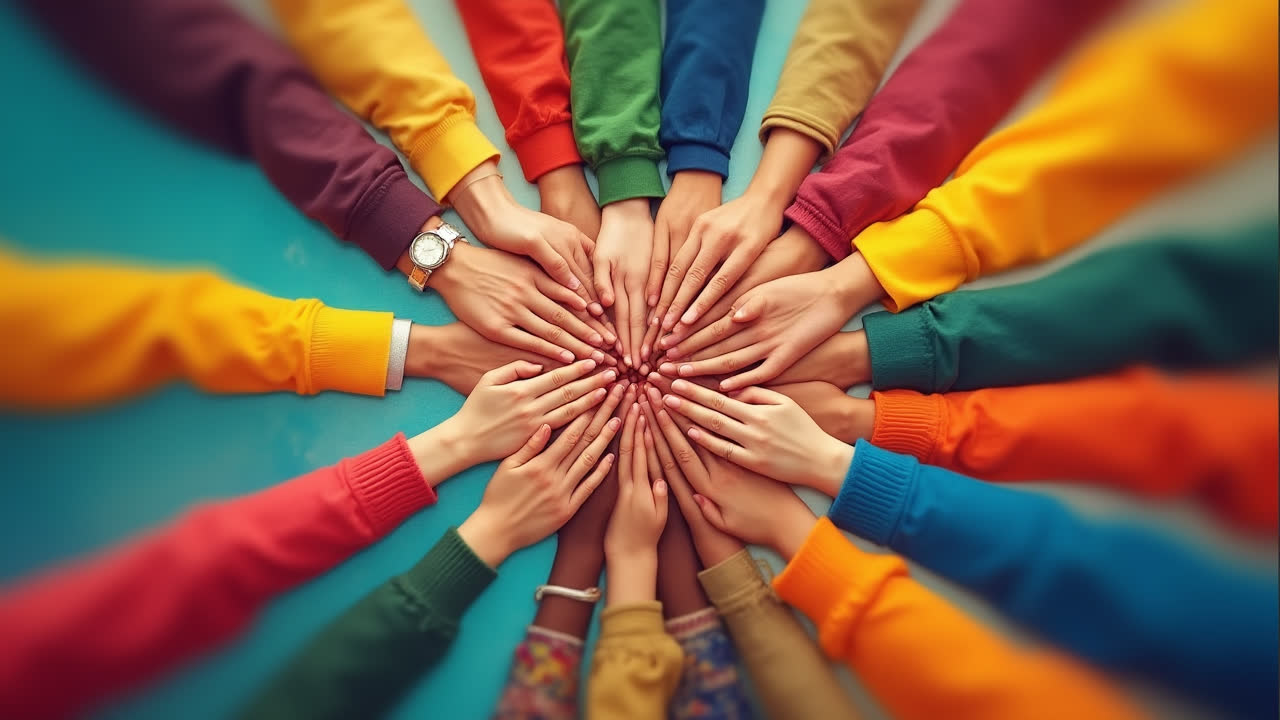
Cultural Greeting Customs: How People Say Hello Around the World
Have you ever wondered how people greet each other in different parts of the world? As someone who's had the chance to travel extensively, I've always been fascinated by the diverse greeting customs that exist across cultures. These greetings aren't just formalities—they're windows into cultural values, historical traditions, and social hierarchies that have evolved over centuries.
While a firm handshake might be your go-to greeting, imagine visiting Japan where bowing is the norm, or traveling to New Zealand where Maori people traditionally rub noses! Understanding these differences isn't just about avoiding awkward social situations (though that's certainly helpful); it's about showing respect and appreciation for cultural diversity.
In this comprehensive guide, we'll explore the fascinating world of greeting customs across continents. From the namaste of India to the kiss-heavy greetings of Mediterranean countries, you'll discover how a simple "hello" can vary dramatically depending on where you are in the world. Whether you're planning an international trip or simply curious about cultural differences, this knowledge will enrich your understanding of our wonderfully diverse world.
Asian Greeting Customs: Respect and Tradition
Asian countries often emphasize respect and hierarchy in their greeting customs, with many traditional greetings involving physical gestures that demonstrate deference. In countries like Japan, China, and Korea, the depth of a bow can indicate the level of respect being shown, while South and Southeast Asian nations often incorporate religious elements into their greetings.
Japanese Bowing Culture
In Japan, bowing (known as ojigi) is an art form with complex rules. The deeper and longer the bow, the more respect is shown. Business settings typically involve a 30-degree bow, while more formal situations might call for a 45-degree bow. I once embarrassed myself in Tokyo by attempting to shake hands with a traditional business owner who was clearly expecting a bow—a rookie mistake that taught me the importance of researching greeting customs before traveling!
Japanese people learn the subtleties of bowing from childhood, including how to position their hands (men at their sides, women with hands folded in front) and how to time their bows. In modern Japan, particularly in international settings, you might see the bow combined with a handshake—a perfect example of how traditional customs evolve with globalization.
The Namaste Gesture
Across India, Thailand, Laos, and Cambodia, joining hands in a prayer-like position—often accompanied by a slight bow—is a common greeting. In India, this gesture is called Namaste (or Namaskar), and people frequently say the word aloud when greeting others. The gesture symbolizes that the divine in me recognizes the divine in you—a beautiful philosophy embedded in a simple greeting.
In Cambodia, the position of your hands during this greeting is significant—the higher you hold your hands in the prayer position, the more respect you're showing. This is particularly important when greeting elderly people or those of higher social status. There's also the tradition in India of touching the feet of elders as a sign of deep respect and to seek their blessings.
Chinese Greetings
In China, while handshakes have become common in business settings, traditional greetings include saying "Nǐ hǎo" (你好, meaning "hello") and sometimes a slight bow. Historically, Chinese greetings were much more elaborate, with complex rituals determined by social hierarchy. Today's simplified greetings reflect the country's modernization while still retaining elements of respect and formality.
Something I've noticed during my visits to China is that business card exchanges are practically a greeting ritual in themselves. Cards are presented and received with both hands, and you're expected to study the card for a moment before carefully putting it away—never just stuffing it in a pocket! This demonstrates respect for the person's identity and position.
European Greeting Variations: From Handshakes to Kisses
European greeting customs showcase the continent's cultural diversity, with significant variations between countries and even regions within countries. While the handshake is generally accepted throughout Europe, many countries have their own unique customs that reflect their cultural heritage and social norms.
The French Kiss Greeting
In France, the la bise—kissing on both cheeks—is a standard greeting among friends, family, and sometimes even new acquaintances. What's particularly interesting is how this custom varies regionally within France itself. In Paris, two kisses are standard, while in some southern regions, three kisses are expected, and in other areas, it could be up to four!
During my first visit to France, I was caught off-guard by how natural this greeting seemed to locals, even between male friends. It's worth noting that these aren't actual kisses but rather touching cheeks and making a kissing sound. The French typically start with the right cheek, but this can vary by region—just one more delightful complexity of cultural greetings!
Italian Warm Greetings
Italians are known for their expressiveness, and their greetings reflect this characteristic warmth. "Ciao" is the casual way to say hello, and physical greetings typically involve kisses—four in total, twice on each cheek. This custom emphasizes the Italian value of personal connection and familial closeness.
I remember attending a family dinner in Tuscany where the greeting process took nearly 15 minutes as each person warmly greeted every other individual with kisses and animated conversation. This experience highlighted for me how greetings aren't just perfunctory in Italian culture—they're an important social ritual that strengthens community bonds.
British Reserve
In stark contrast to their continental neighbors, the British tend to be more reserved in their greetings. While handshakes are common when meeting someone for the first time, verbal greetings like "Hello" or "Hi" are often deemed sufficient for day-to-day interactions. This reflects the British value of personal space and understated politeness.
Having lived in London for a year, I noticed that even close friends might simply greet each other with a smile and a wave rather than physical contact. This isn't coldness—it's simply a different cultural approach to personal boundaries. That said, younger generations and more cosmopolitan Britons are increasingly adopting continental-style cheek kisses among friends, showing how greeting customs continually evolve.
African Greeting Customs: Connection and Community
African greetings often emphasize community connections and respect for elders. Across this vast continent with its incredible cultural diversity, greetings tend to be more elaborate and time-consuming than in Western countries—reflecting the importance placed on personal relationships and social harmony.
Botswana's Gentle Touch
In Botswana, people greet each other by touching hands, but not in the firm grip Westerners might expect. Instead, they gently graze palms in a more subtle connection. This gentle greeting style emphasizes connection without dominance—a beautiful cultural nuance that reveals underlying values.
When I visited a village in Botswana, I noticed that greetings were never rushed. People would take time to ask about family members and general well-being before moving on to any business matters. This taught me that in many African cultures, rushing through greetings can be considered disrespectful, as it prioritizes tasks over human connections.
Unique Finger-Snapping in Benin
One of the most distinctive greetings I've encountered comes from Benin, where people try to snap fingers when holding hands. This playful element adds a unique character to what might otherwise be a standard handshake, demonstrating how greetings can incorporate elements of joy and creativity.
Cultural anthropologists suggest this greeting may have historical roots in signaling friendship and peaceful intentions. Whatever its origins, it's a wonderful reminder that greetings don't have to be solemn affairs—they can incorporate elements of playfulness while still conveying respect.
Extended Greeting Rituals
In many parts of Africa, especially rural communities, greetings can be elaborate exchanges that Westerners might mistake for entire conversations. In countries like Senegal, Mali, and Niger, greetings often follow ritualized patterns of questions and responses about health, family, work, and even the weather—all before the actual conversation begins.
These extended greeting rituals serve important social functions beyond mere politeness. They reaffirm community bonds, allow people to check in on each other's welfare, and establish a harmonious atmosphere before discussing specific matters. I've found that adapting to this rhythm—rather than rushing to "get to the point"—is essential when working or traveling in many African countries.
Comparing Eastern and Western Greeting Styles
| Aspect | Eastern Greetings (Asia) | Western Greetings (Europe/Americas) |
|---|---|---|
| Physical Contact | Generally minimal; often non-contact (bowing) | More common; handshakes, hugs, cheek kisses |
| Hierarchy Emphasis | Strong awareness of age/status differences | More egalitarian approach |
| Body Language | Often includes lowering the head/body | Usually maintains eye level; direct eye contact |
| Verbal Component | May include specific honorifics or titles | More casual forms of address common |
| Eye Contact | Often limited or brief in traditional settings | Typically expected and maintained |
| Symbolic Meaning | Often contains religious/philosophical elements | Generally more secular in nature |
| Adaptation to Globalization | Increasingly adopting handshakes in business | Slower to adopt Eastern greeting styles |
| Personal Space | Typically values larger personal distance | Often comfortable with closer proximity |
Unusual and Fascinating Greeting Customs
Beyond the more familiar greetings we've explored, there are some truly unique customs around the world that might surprise even seasoned travelers. These distinctive greetings often have fascinating historical or cultural origins that provide insight into local values and traditions.
Tongue Greetings in Tibet
One of the most surprising greetings comes from Tibet, where people traditionally stick their tongues out to greet others. This unusual custom has historical roots—it developed centuries ago because a notorious 9th-century king had a black tongue. By sticking out their tongues, Tibetans were showing they weren't his reincarnation and had no evil intentions!
While this greeting is less common in urban areas today, you might still encounter it in more traditional regions of Tibet. It's a wonderful example of how historical events can shape cultural practices that endure for generations, even when their original context has faded from common knowledge.
Nose Rubbing: The Maori Hongi
The indigenous Maori people of New Zealand practice a greeting called the hongi, which involves pressing noses and foreheads together. This beautiful greeting has profound spiritual significance—it represents the sharing of breath (ha) or the exchange of the life force between two people.
I was fortunate enough to experience a traditional Maori welcome ceremony where the hongi was performed. The moment of pressing noses and sharing breath creates a powerful sense of connection that transcends typical greetings. It transforms strangers into friends by symbolically uniting their life essence—a profound concept embedded in what might initially seem like a simple physical gesture.
Polynesian Face-Stroking
In some Polynesian cultures, a traditional greeting involves taking someone's hand and stroking your own face with it. This intimate greeting establishes a powerful connection between people by literally bringing the other person's essence to your face.
Anthropologists suggest this greeting developed from the concept of transferring "mana" or spiritual power between individuals. Like many traditional greetings, it has deep philosophical underpinnings that reveal how cultures conceptualize human connections and spiritual energy. Though less common today, understanding these traditional greetings provides insight into indigenous worldviews that often emphasize interconnectedness in ways Western perspectives might overlook.
Navigating Greeting Customs While Traveling
For travelers, understanding local greeting customs is an essential part of cultural respect and can significantly impact how you're received in a new place. Even if you don't perfectly execute every local greeting, demonstrating awareness and making an effort goes a long way toward creating positive cross-cultural interactions.
Before visiting a new country, I always research basic greeting etiquette as part of my preparation. Learning just a few key phrases and appropriate gestures has opened doors to more authentic experiences and warmer welcomes than I might have received otherwise. In Japan, my attempts at proper bowing—even when imperfect—were met with appreciative smiles that instantly created goodwill.
It's also important to remember that greeting customs within countries often vary by context, gender, age, and region. What's appropriate between business associates might differ from family greetings, and urban areas may have more relaxed customs than traditional rural communities. When in doubt, observe locals and follow their lead—and don't be afraid to ask for guidance from hotel staff or local contacts.
One approach I've found helpful is to combine my own cultural greeting with an attempt at the local custom—for instance, offering a handshake while saying "Sawasdee kha" in Thailand. This acknowledges both cultural traditions while showing respect for local customs. Most importantly, approach new greeting situations with humility and good humor. Your willingness to learn and respect local traditions matters more than flawless execution!
Frequently Asked Questions About Global Greeting Customs
How should I prepare for greeting people when visiting a foreign country?
Before traveling, research basic greeting customs for your destination, including appropriate physical gestures, verbal greetings, and any gender-specific considerations. Learn a few basic phrases in the local language, particularly "hello" and "thank you." Understanding the cultural context behind greetings (such as attitudes toward physical contact or hierarchy) will help you navigate social situations more gracefully. If you make a mistake, a sincere apology and willingness to learn are usually well-received. Consider asking hotel staff or tour guides for guidance on local customs if you're unsure.
Why do greeting customs vary so much between different cultures?
Greeting customs evolve from a complex interplay of historical, religious, social, and environmental factors unique to each culture. Religious influences often shape greeting rituals, such as the namaste gesture in Hindu-influenced cultures. Historical events can create specific customs, like Tibet's tongue-sticking greeting. Social structures determine whether greetings emphasize hierarchy (as in many Asian cultures) or equality (as in many Western countries). Climate and geography also play roles—cultures in colder regions often maintain more personal space than those in warmer areas. These customs develop over centuries to reflect cultural values, social organization, and practical considerations about disease prevention and social boundaries.
How are traditional greeting customs changing in the age of globalization?
Globalization is creating both standardization and hybridization of greeting customs worldwide. Business settings increasingly adopt Western-style handshakes as an international standard, while personal settings often maintain more traditional customs. Many cultures now practice "greeting code-switching"—using different greetings depending on whether they're in international or local contexts. The COVID-19 pandemic accelerated changes by normalizing contactless greetings like elbow bumps, waves, and bows across cultures. In multicultural cities, you'll often see fusion greetings that combine elements from different traditions. Despite these changes, many communities strongly preserve traditional greetings as important expressions of cultural identity and resistance to homogenization, especially during cultural celebrations and formal ceremonies.
Conclusion: The Universal Language of Greetings
While greeting customs vary enormously across cultures, they all serve the same fundamental human need—acknowledging others and establishing connection. Whether through a bow, a handshake, or a kiss on the cheek, these rituals help us navigate social interactions and create the foundations for deeper relationships.
What fascinates me most about greeting customs is how they encode cultural values. The Japanese bow reflects a society that prizes harmony and respect for hierarchy. The lengthy African greeting rituals demonstrate cultures where relationships take precedence over schedules. The casual American "Hey!" speaks to values of equality and informality.
As our world becomes increasingly interconnected, understanding and respecting these differences becomes not just a matter of travel etiquette but a way to build genuine cross-cultural understanding. So the next time you meet someone from another culture, consider not just extending your hand, but opening your mind to the rich traditions their greeting represents. After all, learning to say "hello" in different ways is often the first step in saying "I respect your culture" and "I'm eager to understand your world."
"The most important trip you may take in life is meeting people halfway." — Henry Boye


Related Posts