Garden Cress vs Watercress: 8 Key Differences You Should Know
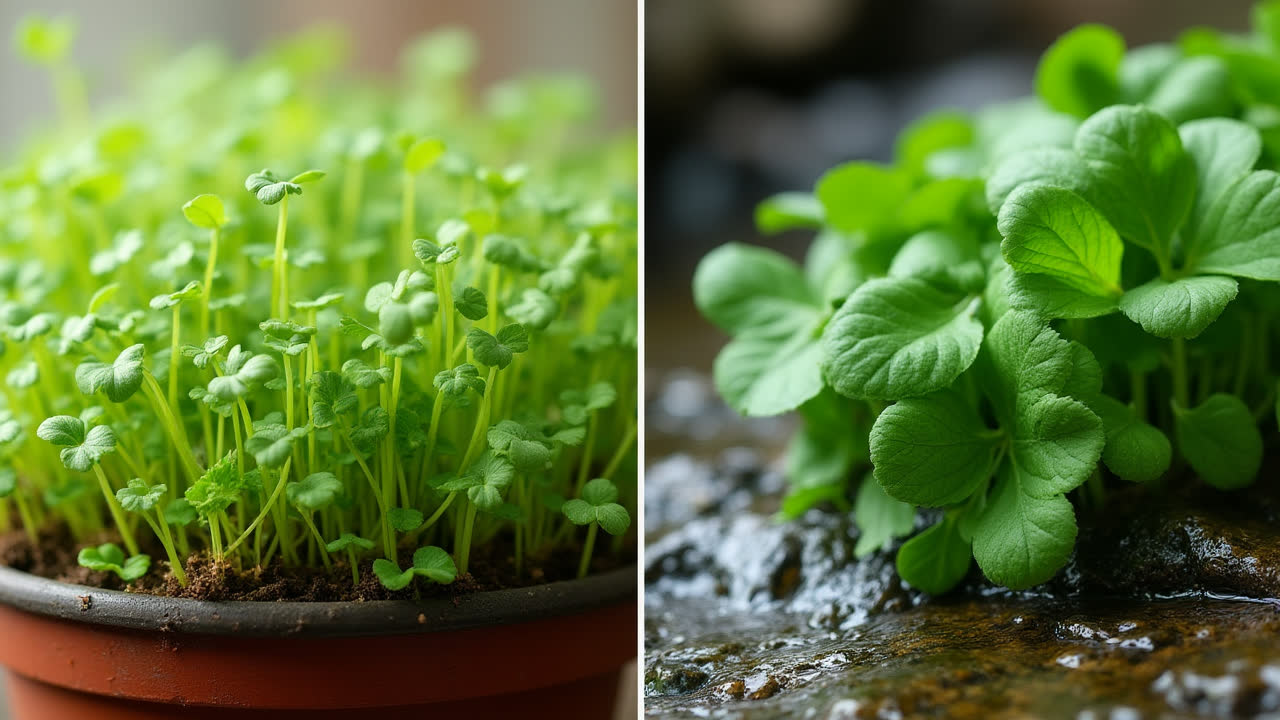
Ever picked up what you thought was watercress at the grocery store, only to get home and wonder if you actually bought garden cress instead? You're not alone! These two leafy greens might seem similar at first glance, but garden cress and watercress have distinct differences that affect everything from how they taste to how you might use them in your kitchen. As a long-time herb enthusiast who's grown both in my garden, I've learned to appreciate their unique qualities.
Both garden cress and watercress belong to the Brassicaceae family, alongside other cruciferous vegetables like broccoli, kale, and cabbage. While they share this family connection and certain nutritional benefits, they differ significantly in their growing conditions, appearance, flavor profiles, and culinary applications. Understanding these differences can help you choose the right green for your specific cooking needs and health goals.
I remember the first time I tried to substitute garden cress for watercress in a soup recipe—let's just say the results were... interesting! The stronger peppery punch of the watercress completely changed the dish's flavor profile. That experience taught me these greens aren't as interchangeable as they might appear. Whether you're a cooking enthusiast, a nutrition-conscious eater, or simply curious about expanding your vegetable knowledge, this comprehensive comparison will help you distinguish between these two popular leafy greens.
What is Garden Cress?
Garden cress (Lepidium sativum) is a fast-growing, edible herb that's been cultivated for centuries. This versatile plant grows on soil and is remarkably easy to cultivate—I've grown it successfully even in my small apartment window box! It features narrow, oval leaves and can produce small white-to-pink flowers when allowed to mature. One of the most appealing aspects of garden cress is how quickly it grows; you can have harvestable greens in as little as 5-7 days when grown from seeds.
The flavor of garden cress offers a delightful tangy, slightly peppery taste that's milder than watercress but still provides a pleasant kick to dishes. Many people enjoy its refreshing crispness in salads, sandwiches, and as a garnish. Beyond just the leaves, garden cress is remarkably versatile—you can consume the roots, seeds, and even grow it as sprouts. The seeds, in particular, have gained popularity for their nutritional density and are often used in certain traditional medicine practices.
From a nutritional standpoint, garden cress packs an impressive punch. It's low in calories but high in essential nutrients, particularly vitamins C and K. It also contains meaningful amounts of vitamin A, calcium, and iron. Garden cress seeds are especially rich in iron, folate, and phosphorus. I've personally found adding garden cress to my diet especially beneficial during winter months when fresh greens can be harder to find—it grows quickly indoors and provides those vital nutrients when other fresh options might be limited.
What is Watercress?
Watercress (Nasturtium officinale) stands apart as a truly aquatic plant that thrives in running water environments. Unlike its soil-growing cousin, watercress naturally grows in shallow, moving water like streams and springs. This distinct growing condition contributes significantly to its unique properties. Visually, watercress features small to medium rounded leaves attached to hollow, crisp stems. The plant forms bushy clusters that float partially submerged in water, creating a distinctive appearance that's easy to recognize once you're familiar with it.
When it comes to flavor, watercress delivers a more pronounced peppery punch than garden cress. It has a distinctive bite that's been described as slightly bitter and reminiscent of mustard greens, but with a fresh, clean finish. This potent flavor profile makes watercress particularly popular in gourmet cooking. Chefs prize it for its ability to add dimension to otherwise mild dishes. I've found that watercress holds up remarkably well to cooking, unlike many delicate greens that wilt immediately. You can sauté it lightly, add it to soups, or even blend it into sauces while still preserving its characteristic flavor.
Nutritionally, watercress is often hailed as a superfood, and for good reason. It's packed with more vitamin C than oranges, more calcium than milk, and more iron than spinach by weight. It's also an excellent source of vitamins A, K, B6, and contains compounds that may have cancer-fighting properties. I started incorporating watercress into my diet regularly after learning about its impressive nutritional profile, particularly during a period when I was focusing on immune support. The versatility of watercress extends beyond just its culinary uses—historically, it has been used for its medicinal properties to treat everything from coughs to skin conditions.
Comparison Table: Garden Cress vs Watercress
| Feature | Garden Cress | Watercress |
|---|---|---|
| Scientific Name | Lepidium sativum | Nasturtium officinale |
| Growing Environment | Soil-based, can grow in containers or garden beds | Aquatic, grows in moving water or hydroponic systems |
| Flavor Profile | Mild peppery, slightly tangy | Strong peppery, more bitter and intense |
| Appearance | Narrow, oval leaves; grows upright | Round to oval leaves; grows in spreading clusters |
| Growth Rate | Very fast (5-7 days for sprouts) | Moderate (3-4 weeks to harvest) |
| Edible Parts | Leaves, seeds, roots, sprouts | Primarily leaves and stems |
| Shelf Life | 3-5 days refrigerated | 5-7 days when properly stored |
| Key Nutrients | Vitamins C, K, A, iron, calcium | Vitamins A, C, K, B6, calcium, iron, antioxidants |
Key Differences Between Garden Cress and Watercress
The most fundamental difference between these two greens lies in their natural habitats. Garden cress grows on soil and can thrive in traditional garden beds or containers, making it accessible for home gardeners with limited space. In contrast, watercress is a true aquatic plant that grows naturally in slow-moving water sources like streams and springs. This difference in growing environments affects not only how they're cultivated commercially but also influences their flavor profiles and nutritional content.
When it comes to culinary applications, these greens serve different purposes in the kitchen due to their distinct flavor intensities. Garden cress offers a milder, more delicate peppery flavor that works well in dishes where you want just a hint of spiciness without overwhelming other ingredients. Watercress, with its more robust peppery bite, stands up better to cooking and can hold its own alongside stronger flavors. I've discovered that garden cress works beautifully in light summer salads and sandwiches, while watercress adds wonderful depth to soups and pairs exceptionally well with rich foods like steak or eggs.
Another significant difference is their growth rate and accessibility. Garden cress is incredibly fast-growing—you can have harvestable microgreens in less than a week—making it perfect for impatient gardeners like myself! Watercress takes longer to mature and requires more specific growing conditions, which explains why it's typically more expensive and sometimes harder to find in stores. This difference in availability has practical implications for meal planning and budgeting if you regularly use these greens in your cooking.
While both plants offer impressive nutritional benefits, their nutritional profiles aren't identical. Though both are excellent sources of vitamins and minerals, watercress generally edges out garden cress in terms of nutrient density, particularly for compounds like glucosinolates that have been studied for their potential cancer-fighting properties. However, garden cress seeds have their unique benefits, being exceptionally rich in iron and certain beneficial compounds not found in the same concentrations in watercress. Depending on your specific health goals, you might want to incorporate one or both of these greens into your diet.
Culinary Uses and Recipes
Garden cress shines in applications where its delicate, mild pepper flavor can enhance dishes without dominating them. I love using garden cress in breakfast dishes—it's particularly delightful sprinkled over scrambled eggs or folded into an omelet with some mild cheese. Its tender texture makes it perfect for sandwiches and wraps, where it adds a fresh, peppery note without the intensity that watercress might bring. Garden cress also works wonderfully as a garnish for soups, adding both visual appeal and a flavor boost without overwhelming the dish.
Watercress, with its more robust flavor profile, excels in applications where you want that distinctive peppery kick to shine through. One of my favorite ways to use watercress is in a classic watercress soup, where the green's flavor can really take center stage. It also makes an exceptional base for pestos and sauces, particularly when paired with nuts like walnuts or pine nuts that complement its peppery notes. Watercress holds up remarkably well to light cooking, so don't hesitate to add it to stir-fries or wilt it slightly as a bed for grilled fish or meat.
Both greens can be incorporated into your diet in creative ways beyond the typical salad. Have you ever tried garden cress or watercress in smoothies? They add a nutritional boost and a hint of spiciness that pairs surprisingly well with fruits like apple and pear. For a quick and impressive appetizer, try garden cress or watercress on top of crostini with goat cheese and a drizzle of honey—the combination of creamy, sweet, and peppery creates a wonderfully balanced bite that always impresses guests at my dinner parties.
Growing Your Own Cress at Home
Growing garden cress at home is remarkably easy and requires minimal space or equipment, making it perfect for beginners or those with limited gardening space. You can grow garden cress indoors year-round on a sunny windowsill, using almost any container with adequate drainage. I've successfully grown garden cress in everything from proper seed trays to recycled containers and even on damp paper towels! The seeds germinate quickly—often within 24 hours—and you can harvest baby greens in as little as 5-7 days. For a continuous supply, I recommend sowing small batches of seeds every week rather than all at once.
Watercress presents more of a challenge for home gardeners due to its specific growing requirements, but it's certainly not impossible. While it naturally grows in running water, you can simulate these conditions at home using containers with consistent moisture. A hydroponic setup works well, but you can also grow watercress in containers with very wet soil as long as you change the water frequently to prevent stagnation. I've found success growing watercress in wide, shallow containers filled with a mix of garden soil and compost, kept constantly moist by sitting in a tray of water that I refresh daily.
Both plants benefit from cool growing conditions and partial shade, especially during hot summer months. Garden cress tends to bolt (flower) quickly in hot weather, which makes the leaves more bitter, so harvest regularly and provide some afternoon shade during heat waves. For watercress, water quality matters—it prefers slightly alkaline water and doesn't do well with chlorinated tap water. I let my tap water sit out overnight before using it for watercress to allow chlorine to dissipate. With a little attention to these details, you can enjoy fresh, homegrown cress varieties right from your own kitchen garden, ensuring the freshest possible greens for your culinary creations.
Frequently Asked Questions
Can I substitute garden cress for watercress in recipes?
Yes, you can substitute garden cress for watercress in many recipes, but be aware that the flavor intensity differs. Garden cress has a milder peppery taste compared to watercress's stronger bite. For raw applications like salads and sandwiches, the substitution works quite well. However, in cooked dishes where watercress's robust flavor is central to the recipe (like watercress soup), garden cress might not provide the same flavor impact. You may need to use more garden cress to achieve a similar flavor intensity, or adjust other seasonings accordingly.
Which is more nutritious: garden cress or watercress?
Both garden cress and watercress are highly nutritious, but watercress generally edges out garden cress in overall nutrient density. Watercress contains higher amounts of vitamins A, C, and K, calcium, and potassium per serving. It also contains more antioxidants and beneficial plant compounds like glucosinolates, which have been studied for their potential cancer-fighting properties. However, garden cress seeds are exceptionally rich in iron, folate, and certain unique compounds not found in the same concentrations in watercress. For the most comprehensive nutritional benefits, consider incorporating both varieties into your diet regularly.
How long do garden cress and watercress stay fresh after purchase?
Garden cress typically stays fresh for 3-5 days when properly stored in the refrigerator. To maximize freshness, wrap it loosely in a slightly damp paper towel and place it in a perforated plastic bag in the crisper drawer. Watercress has a slightly longer shelf life of 5-7 days when stored correctly. For watercress, trim the stems slightly and place them in a glass with about an inch of water, like a bouquet of flowers. Cover the leaves loosely with a plastic bag and refrigerate, changing the water daily if possible. Both greens are best used as fresh as possible, as their distinctive peppery flavors and crisp textures diminish over time.
Conclusion
While garden cress and watercress share a family connection and certain similarities, they each bring unique characteristics to the table that make them valuable additions to any kitchen. From their distinct growing environments—soil for garden cress and water for watercress—to their varying flavor intensities and culinary applications, understanding these differences can help you select the right green for your specific needs and preferences.
Whether you're sprinkling some mild garden cress over your morning eggs, blending peppery watercress into a vibrant soup, or growing either variety on your windowsill, these nutritional powerhouses deserve a regular place in your culinary repertoire. Why not experiment with both and discover your own favorite ways to enjoy these versatile, healthful greens? Your taste buds—and your body—will thank you for it!