Epithelial vs Mesenchymal Cells: Key Differences & Functions
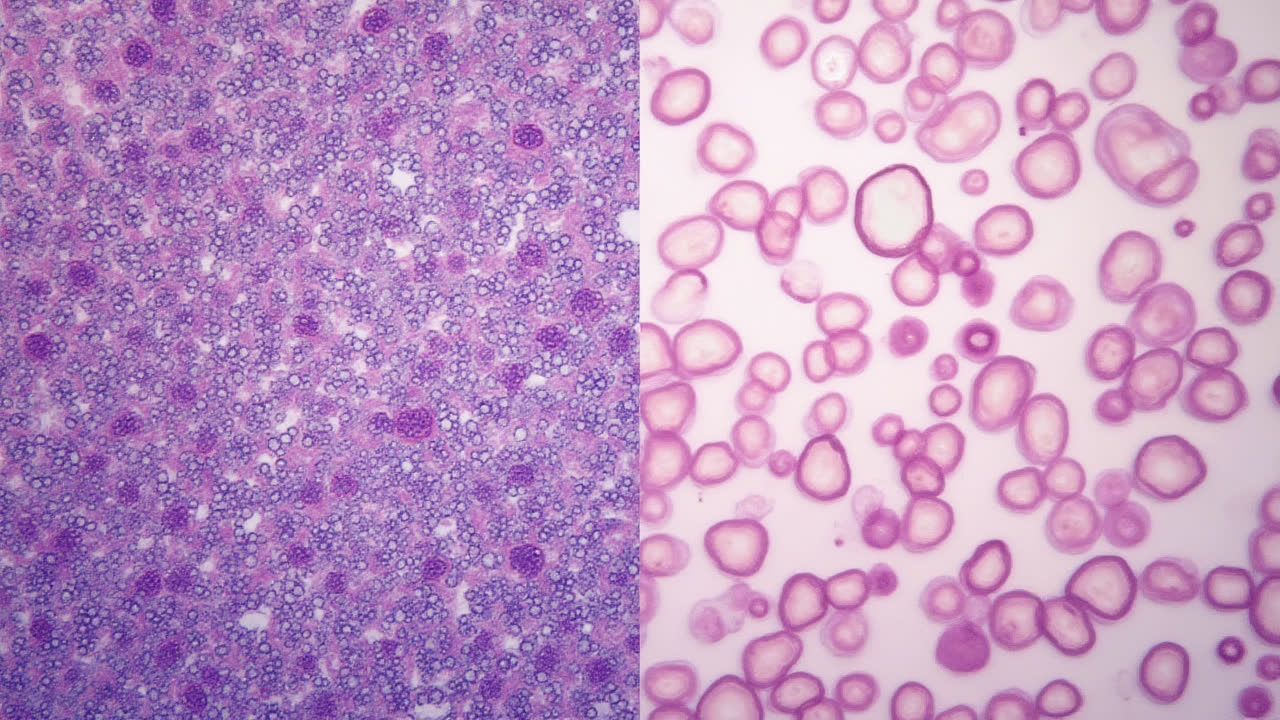
Ever wondered about the incredible diversity of cells that make up our bodies? Among the most fascinating are epithelial and mesenchymal cells – two fundamentally different cell types that play crucial roles in our development and health. I've spent years studying cellular biology, and I'm still amazed by how these cells transition between each other during embryonic development and in certain disease states.
These cellular transformations, known as epithelial-mesenchymal transition (EMT) and mesenchymal-epithelial transition (MET), are not just biological curiosities – they're essential processes for normal development and can have significant implications in conditions like cancer. In my experience working with cellular models, understanding these differences isn't just academic – it has real potential for medical breakthroughs.
The primary distinction between these cell types lies in their structure, function, and differentiation potential. Epithelial tissues serve protective and secretory roles, lining organs and body cavities, while mesenchymal cells are found in connective tissues and possess remarkable differentiation abilities. Let's dive deeper into what makes these cells unique and why their differences matter in human biology.
What Are Epithelial Cells?
Epithelial cells form continuous sheets that line both the external surfaces of the body and internal cavities. These specialized cells create what we call epithelium – a crucial tissue type that serves as the body's primary barrier against the external environment. From my observations in the lab, epithelial cells display remarkable cohesion, forming tight junctions that create an efficient protective layer.
These cells derive from all three embryonic germ layers: the endoderm (forming the lining of the gastrointestinal tract), the ectoderm (creating the epidermis), and the mesoderm (developing into the inner linings of body cavities). This diverse origin contributes to their varied functions throughout the body.
One characteristic that always stands out to me about epithelial cells is their clear polarity – they have distinct "top" and "bottom" sides. The apical surface faces outward or toward a cavity, while the basal surface attaches to the basement membrane. This structural organization is no accident – it allows epithelial cells to perform their specialized functions effectively.
Types of Epithelial Cells
Epithelial cells come in various shapes and arrangements, each suited to their specific function:
- By shape:
- Squamous epithelial cells – flat, tile-like cells ideal for areas requiring rapid diffusion
- Columnar epithelial cells – tall, column-shaped cells often involved in absorption and secretion
- Cuboidal epithelial cells – cube-shaped cells commonly found in glandular tissues
- By arrangement:
- Simple epithelium – single layer of cells, optimized for absorption and filtration
- Stratified epithelium – multiple layers of cells, providing enhanced protection
- Pseudostratified epithelium – appears layered but all cells connect to the basement membrane
I've always found the functional diversity of epithelial cells remarkable. They perform vital roles in protection (skin), absorption (intestinal lining), secretion (glandular tissues), and even sensory perception (taste buds, olfactory epithelium). Some specialized epithelial cells, like those in our respiratory tract, even have cilia – tiny hair-like projections that move in coordinated waves to propel substances along the epithelial surface.
Understanding Mesenchymal Cells
Mesenchymal cells represent a dramatically different cell type. Unlike the tightly packed, organized arrangement of epithelial cells, mesenchymal cells are loosely organized within an extracellular matrix. During my research work with stem cells, I've been consistently impressed by the adaptability of mesenchymal cells – they're cellular shapeshifters in many ways!
These versatile cells originate primarily from the mesoderm, though some develop from neural crest cells or surface ectoderm. Their embryonic importance cannot be overstated – they're the precursors to numerous critical tissues. What makes mesenchymal cells truly special is their remarkable differentiation potential – they can develop into various cell types including smooth muscle cells, vascular endothelium, adipocytes (fat cells), osteoblasts (bone cells), chondrocytes (cartilage cells), and various blood cells.
Morphologically, mesenchymal cells typically appear fusiform (spindle-shaped) or stellate (star-shaped). Unlike epithelial cells with their strict polarity, mesenchymal cells lack clear apical-basal polarity. This structural feature grants them greater mobility – mesenchymal cells can migrate through tissues during embryonic development or wound healing, something epithelial cells generally cannot do while maintaining their epithelial characteristics.
The extracellular matrix surrounding mesenchymal cells isn't just filler – it's a complex environment containing proteins like collagen and elastin that provide structural support and facilitate cellular communication. I've spent countless hours observing how mesenchymal cells interact with this matrix, and it's fascinating to see how they both respond to and modify their surroundings.
The Dynamic Transitions: EMT and MET
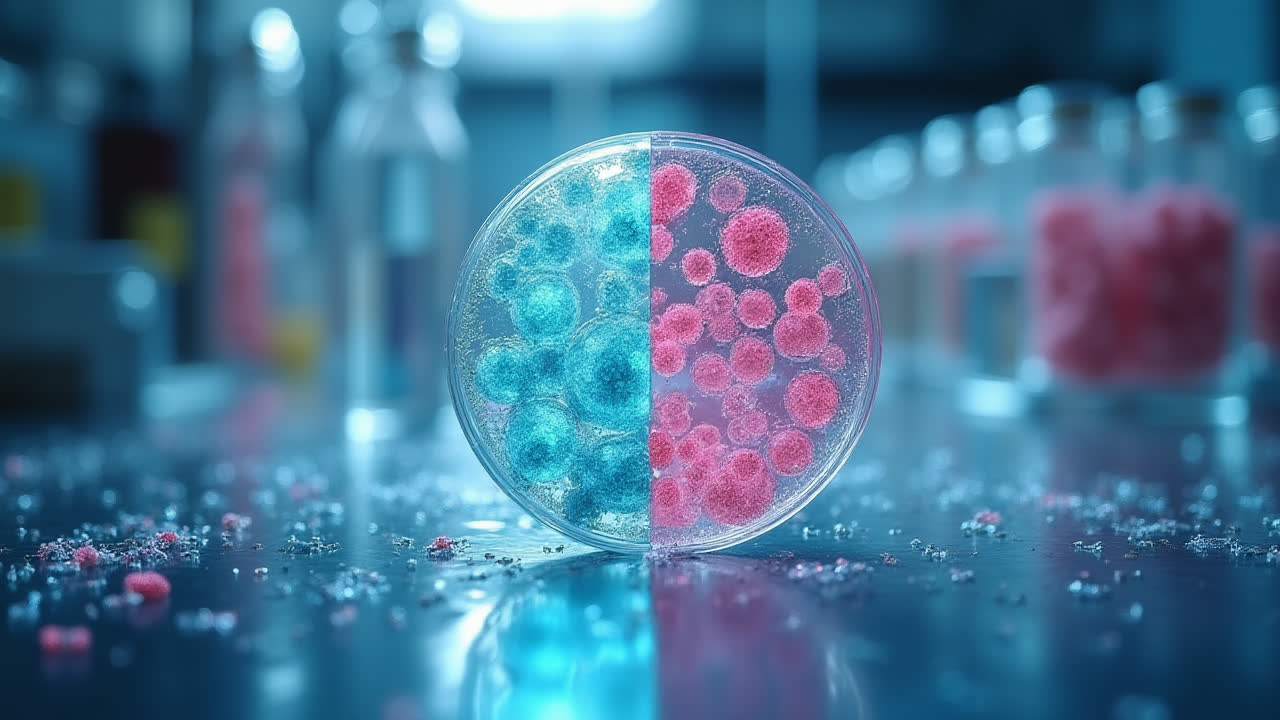
Perhaps the most intriguing aspect of epithelial and mesenchymal cells is their ability to transition between states. These processes – epithelial-mesenchymal transition (EMT) and mesenchymal-epithelial transition (MET) – represent remarkable examples of cellular plasticity. I remember the first time I observed EMT in a cell culture model; watching cells transform from a tightly packed epithelial sheet to mobile mesenchymal-like cells was almost like witnessing cellular alchemy!
During embryonic development, these transitions are essential for proper formation of various tissues and organs. EMT allows epithelial cells to become more mobile, enabling processes like gastrulation (formation of germ layers) and neural crest development. Conversely, MET occurs when mesenchymal cells settle down and adopt epithelial characteristics, crucial for kidney development (nephrogenesis) and somite formation.
These transitions aren't limited to embryonic development. In adults, EMT plays a vital role in wound healing, allowing epithelial cells at a wound edge to temporarily adopt mesenchymal characteristics for migration into the wound site. Unfortunately, these same processes can be hijacked in pathological conditions – cancer cells often utilize EMT to enhance their invasive and metastatic potential. This is why understanding these transitions has become a major focus in cancer research.
The molecular mechanisms driving these transitions involve complex signaling pathways and transcription factors. Key players include TGF-β (Transforming Growth Factor-beta), Wnt signaling, and transcription factors like Snail, Slug, and Twist. These factors orchestrate dramatic changes in gene expression that alter cellular adhesion, cytoskeletal organization, and migratory behavior.
Comparison Table: Epithelial vs Mesenchymal Cells
| Characteristic | Epithelial Cells | Mesenchymal Cells |
|---|---|---|
| Cell Shape | Cuboidal, columnar, or squamous | Fusiform (spindle-shaped) or stellate (star-shaped) |
| Cell Arrangement | Tightly packed in continuous sheets with minimal intercellular space | Loosely arranged with significant extracellular matrix |
| Cell Junctions | Abundant (tight junctions, desmosomes, gap junctions) | Few cell-cell contacts, primarily focal adhesions |
| Cell Polarity | Strong apical-basal polarity | Minimal or no definite polarity |
| Mobility | Generally non-migratory as intact epithelia | Highly migratory |
| Embryonic Origin | Ectoderm, endoderm, and mesoderm | Primarily mesoderm, some from neural crest |
| Differentiation Potential | Limited, specialized for specific functions | High pluripotential capabilities |
| Primary Functions | Protection, absorption, secretion, filtration, sensory reception | Structural support, tissue repair, differentiation into specialized cells |
Clinical Relevance of Epithelial and Mesenchymal Cells
Understanding the differences between epithelial and mesenchymal cells has significant implications in medicine. In my clinical research experience, I've seen how these cellular distinctions impact everything from wound healing to cancer treatment approaches.
Epithelial injuries are common in many diseases – from relatively minor conditions like gastritis to serious disorders like inflammatory bowel disease. The integrity of epithelial barriers is crucial for proper organ function, and disruptions can lead to inflammation and tissue damage. On the other hand, mesenchymal cell dysfunction can manifest in connective tissue disorders, fibrosis, and improper wound healing.
Perhaps the most studied clinical application relates to cancer. Carcinomas – cancers of epithelial origin – account for approximately 80-90% of all human cancers. During cancer progression, epithelial tumor cells may undergo EMT, acquiring mesenchymal characteristics that enhance their ability to invade surrounding tissues and metastasize to distant sites. This transition is often associated with treatment resistance and poorer prognosis.
Conversely, the pluripotential nature of mesenchymal stem cells (MSCs) has made them attractive candidates for regenerative medicine. Clinical trials are investigating their use in treating conditions ranging from osteoarthritis to myocardial infarction. I've followed these developments closely, and while we're still learning about optimal applications, the therapeutic potential is enormous.
Recent research has also highlighted the importance of EMT in fibrotic diseases, where excessive accumulation of extracellular matrix components leads to organ dysfunction. Conditions like pulmonary fibrosis and renal fibrosis may involve epithelial cells undergoing EMT and contributing to the fibrotic process. This understanding is opening new avenues for therapeutic intervention.
Frequently Asked Questions
What happens during Epithelial-Mesenchymal Transition (EMT)?
During Epithelial-Mesenchymal Transition (EMT), epithelial cells undergo a series of biochemical changes that allow them to adopt a mesenchymal phenotype. This process involves loss of cell-cell adhesion (particularly through downregulation of E-cadherin), reorganization of the cytoskeleton, acquisition of migratory and invasive properties, and resistance to apoptosis. EMT is triggered by various signaling molecules including TGF-β, Wnt, and Notch, which activate transcription factors like Snail, Slug, ZEB, and Twist. These changes are crucial during embryonic development for proper formation of tissues and organs. In adults, EMT occurs during wound healing but can also contribute to pathological processes like fibrosis and cancer metastasis when inappropriately activated.
Why are mesenchymal stem cells important in regenerative medicine?
Mesenchymal stem cells (MSCs) are pivotal in regenerative medicine due to their remarkable differentiation potential and immunomodulatory properties. MSCs can differentiate into various cell types including osteoblasts (bone cells), chondrocytes (cartilage cells), adipocytes (fat cells), and myocytes (muscle cells), making them valuable for tissue repair and regeneration. Additionally, MSCs release growth factors and cytokines that promote healing, reduce inflammation, and stimulate resident stem cells. They also possess immune-privileged status and can modulate immune responses, reducing the risk of rejection when transplanted. These properties make MSCs promising candidates for treating conditions like osteoarthritis, cardiovascular diseases, neurological disorders, and autoimmune conditions. Clinical trials are actively exploring MSC-based therapies for wound healing, bone repair, cartilage regeneration, and managing inflammatory conditions.
How do epithelial and mesenchymal cells differ in cancer progression?
In cancer progression, epithelial and mesenchymal phenotypes play distinct and often opposing roles. Most carcinomas (epithelial-derived cancers) initially maintain epithelial characteristics, forming well-differentiated tumors with strong cell-cell adhesion. As cancers advance, tumor cells may undergo EMT, acquiring mesenchymal traits that facilitate invasion and metastasis. Mesenchymal-like cancer cells typically show increased motility, enhanced resistance to apoptosis and chemotherapy, and expression of stem cell markers associated with tumor-initiating capabilities. Interestingly, after traveling to distant sites, these cells often undergo MET (mesenchymal-epithelial transition) to establish metastatic colonies that resemble the primary tumor. This epithelial-mesenchymal plasticity contributes significantly to treatment resistance and disease recurrence. Modern cancer therapies increasingly target these transitions, with strategies aimed at preventing EMT or inducing redifferentiation of mesenchymal-like cancer cells to more treatable epithelial phenotypes.
Conclusion
The distinction between epithelial and mesenchymal cells represents one of the fundamental organizational principles in animal tissues. These cell types differ dramatically in their structure, function, and differentiation potential, yet possess the remarkable ability to transition between states during both normal development and disease processes.
Epithelial cells, with their tight junctions and clear polarity, excel at creating protective barriers and facilitating selective absorption and secretion. Mesenchymal cells, with their migratory capacity and differentiation potential, provide structural support and serve as crucial reservoirs for tissue repair and regeneration.
As our understanding of these cell types and their transitions deepens, so too does our ability to address various pathological conditions. From treating fibrotic diseases to developing novel cancer therapies targeting EMT, this knowledge has profound implications for human health.
In my years studying cellular biology, I've come to appreciate that the epithelial-mesenchymal distinction isn't simply an academic classification – it's a window into the fundamental processes that shape our development, maintain our tissues, and, when disrupted, contribute to disease. The ongoing research in this field promises to yield exciting advances in both our understanding of basic biology and our approach to treating various medical conditions.
References:
- https://askabiologist.asu.edu/epithelial-cells
- http://www.medilexicon.com/dictionary/15716
- https://www.ncbi.nlm.nih.gov/pmc/articles/PMC2689101/
- https://commons.wikimedia.org/w/index.php?curid=28761819
- http://link.springer.com/article/10.1007/s10911-010-9178-9/fulltext.ht
- https://commons.wikimedia.org/w/index.php?curid=25952399