Engine Knocking vs Detonation: Critical Differences Explained
Have you ever heard strange sounds coming from your engine while driving? Those unsettling noises might be signs of engine knocking or detonation – two common yet potentially damaging phenomena that occur in internal combustion engines. Understanding the difference between these issues isn't just mechanical trivia; it could save you from expensive repairs and extend your engine's lifespan. But what exactly sets these two problems apart?
Most drivers have experienced that moment of panic when their vehicle makes an unusual sound. That metallic "ping" or explosive knock from under the hood indicates something's not right with your engine's combustion process. While both knocking and detonation involve uncontrolled combustion within your engine, they represent different severity levels and require different approaches to fix. Recognizing which problem you're dealing with is the first step toward proper maintenance.
In this comprehensive guide, we'll break down the key differences between engine knocking and detonation, explore their causes, symptoms, and most importantly – how to prevent them from damaging your vehicle. Whether you're a car enthusiast or simply want to keep your daily driver in good condition, this information will help you better understand these common engine problems and communicate more effectively with your mechanic when issues arise.
What is Engine Knocking?
Engine knocking, also commonly referred to as spark knock, occurs when the air-fuel mixture in your engine's combustion chamber ignites prematurely or in an uncontrolled manner. This phenomenon creates a distinctive pinging or knocking sound that's typically heard when the engine is under heavy load, such as when accelerating from a stop or climbing a steep hill. The sound resembles someone tapping on metal with a small hammer – sharp, repetitive, and concerning to most drivers.
The science behind knocking is fascinating. In a properly functioning engine, the spark plug ignites the compressed air-fuel mixture at precisely the right moment in the combustion cycle. However, when knocking occurs, parts of this mixture ignite before they should, creating multiple flame fronts that collide with each other and with the flame front from the spark plug. These collisions produce pressure waves that bounce off the combustion chamber walls, creating the characteristic knocking sound we hear.
Several factors can contribute to engine knocking. One primary culprit is using fuel with too low an octane rating for your specific engine. Lower-octane fuels are more prone to premature ignition, especially in engines with higher compression ratios. Carbon deposits that build up on pistons, cylinder walls, or spark plugs can also create hot spots that initiate unwanted ignition. Additionally, improper ignition timing, where spark plugs fire too early in the combustion cycle, can trigger knocking.
The consequences of persistent engine knocking shouldn't be underestimated. While occasional light knocking might not cause immediate damage, continuous or severe knocking can lead to reduced engine efficiency, power loss, increased emissions, and eventually serious mechanical damage. The erratic combustion creates excessive heat and pressure that can damage pistons, connecting rods, bearings, and even crack cylinder heads in extreme cases.
Understanding Detonation
While knocking might sound alarming, detonation represents an even more severe threat to your engine's health. Engine detonation is an exceptionally violent form of uncontrolled combustion that occurs within the combustion chamber. Unlike the relatively mild pinging of knocking, detonation produces a much louder, more explosive sound – as if someone were banging on the side of your engine with a hammer. This distinctive noise should trigger immediate concern for any driver.
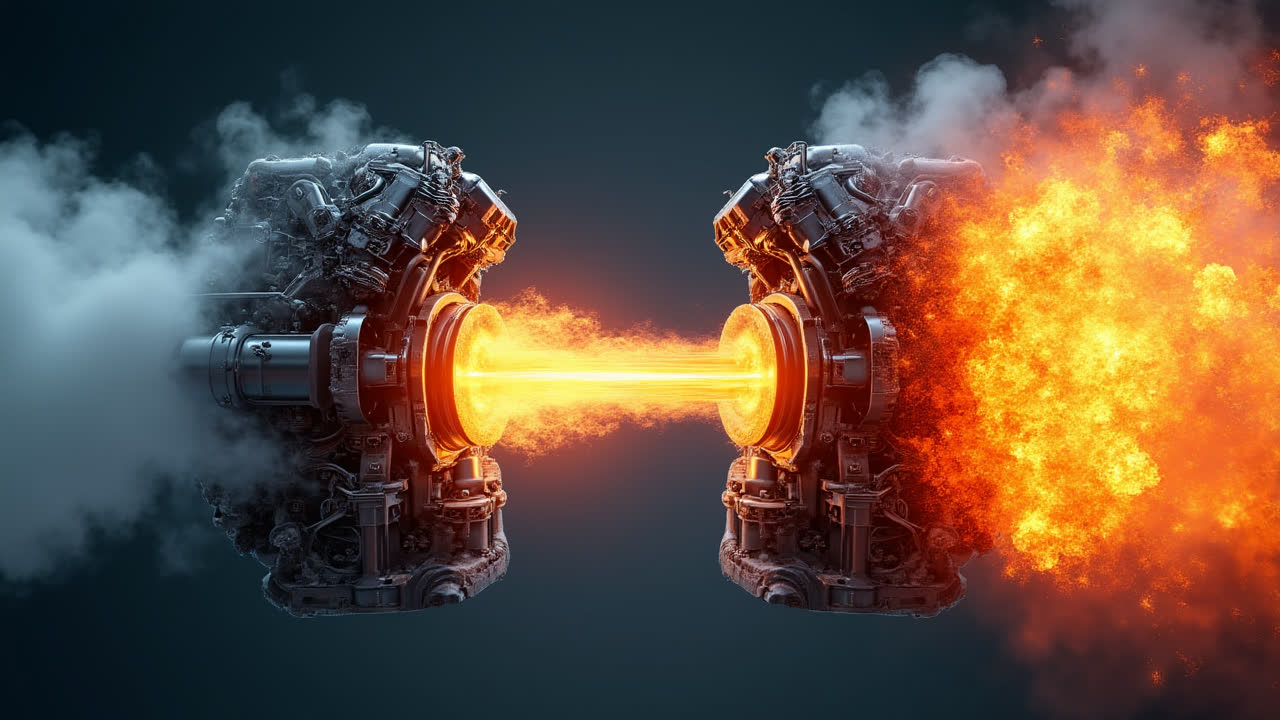
What makes detonation particularly destructive is the nature of its combustion process. During normal combustion, the flame front moves smoothly across the combustion chamber after spark plug ignition. In detonation, however, multiple flame fronts ignite simultaneously and violently throughout the chamber, creating shock waves that collide with tremendous force. These collisions generate extreme pressure spikes and temperature increases that put enormous stress on engine components.
The causes of detonation overlap somewhat with those of knocking but are generally more extreme. Engines with very high compression ratios are particularly susceptible, as the extreme compression can cause spontaneous ignition. Excessively lean air-fuel mixtures, where there's too little fuel relative to air, generate higher combustion temperatures that promote detonation. Engine overheating is another common trigger, as it raises combustion chamber temperatures beyond normal operating ranges. Advanced ignition timing, poor-quality fuel, and inadequate cooling system performance can all contribute to creating conditions ripe for detonation.
The consequences of detonation are far more serious than those of ordinary knocking. The extreme pressure waves and heat can quickly destroy pistons, break piston rings, damage connecting rods, blow head gaskets, and even crack cylinder heads or blocks. Engineers often refer to detonation as "engine death knock" for good reason – it can transform a perfectly functional engine into scrap metal in surprisingly short order if not addressed promptly.
Key Differences Between Knocking and Detonation
While both knocking and detonation involve abnormal combustion processes, understanding their differences is crucial for proper diagnosis and treatment. The most immediately noticeable distinction is the sound they produce. Knocking creates a series of sharp, metallic pinging noises that typically occur when the engine is under load. Detonation, by contrast, produces a much louder, more explosive sound – more like a bang than a ping – that signals a more serious condition.
The timing and nature of the abnormal combustion also differ significantly. With knocking, parts of the air-fuel mixture ignite before the spark plug fires (pre-ignition) or create secondary flame fronts after normal ignition. Detonation involves the spontaneous, almost instantaneous combustion of the entire air-fuel mixture, creating a massive pressure spike rather than the controlled burn that engines are designed to handle.
Perhaps most importantly, the severity and potential for damage vary dramatically between these two conditions. Light knocking may not cause immediate harm and might be manageable with simple adjustments like using higher-octane fuel or adjusting ignition timing. Detonation, however, represents an emergency situation that requires immediate attention. Even brief episodes of detonation can cause catastrophic engine damage due to the extreme forces involved.
| Comparison Point | Engine Knocking | Detonation |
|---|---|---|
| Sound Characteristics | Series of sharp, metallic pinging noises | Louder, explosive banging noise |
| When It Occurs | Typically during acceleration or under load | Can occur at any time during high-stress engine operation |
| Combustion Process | Premature or uncontrolled ignition of portions of air-fuel mixture | Violent, simultaneous ignition of entire air-fuel charge |
| Primary Causes | Low octane fuel, carbon deposits, improper timing | Extreme compression, overheating, very lean mixture |
| Damage Potential | Moderate; can cause efficiency loss and wear over time | Severe; can cause catastrophic engine failure quickly |
| Typical Solutions | Higher octane fuel, timing adjustment, carbon cleaning | Immediate engine cool-down, major tuning adjustments, possible mechanical repair |
| Prevention Measures | Regular maintenance, proper fuel selection | Strict adherence to manufacturer specifications, cooling system maintenance |
| Impact on Engine Efficiency | Moderate reduction in power and efficiency | Dramatic power loss and potential engine failure |
Prevention and Solutions
Preventing engine knocking and detonation begins with understanding your vehicle's specific requirements. Always use the fuel octane rating recommended by the manufacturer – this isn't just a suggestion but a critical specification based on your engine's compression ratio and design. Premium fuel costs more for a reason; it resists abnormal combustion better than regular grades.
Regular maintenance plays a vital role in prevention. Carbon deposits are a common contributor to both problems, so keeping your engine clean is essential. Fuel system cleaners can help remove deposits from injectors and valves, while more stubborn carbon buildup might require professional cleaning services. Additionally, ensuring your cooling system functions optimally helps maintain proper combustion chamber temperatures and prevents the overheating that often leads to detonation.
If you're already experiencing knocking, several remedies might help. The simplest first step is switching to a higher-octane fuel, which often resolves mild knocking immediately. Having your ignition timing checked and adjusted if necessary can also eliminate the problem. For vehicles with significant carbon buildup, a professional carbon cleaning service might be required. Modern vehicles with knock sensors automatically adjust timing to prevent damage, but these systems have limitations and shouldn't be relied upon as a permanent solution to an underlying problem.
For the more serious condition of detonation, immediate action is necessary. If you hear the distinctive explosive knocking sound, reduce engine load immediately by easing off the accelerator and pulling over when safe to do so. Allow the engine to cool before proceeding. Consult a professional mechanic promptly, as detonation almost always requires expert intervention. Solutions might include major timing adjustments, addressing cooling system failures, repairing mechanical issues, or in some cases, reconsidering modifications that have altered the engine's designed compression ratio.
Frequently Asked Questions
Can engine knocking cause permanent damage?
Yes, persistent engine knocking can absolutely cause permanent damage to your engine. While occasional light knocking might not cause immediate issues, continued knocking creates abnormal heat and pressure that can damage pistons, connecting rods, bearings, and cylinder walls over time. The severity of damage depends on how intense the knocking is and how long it continues. Mild knocking might simply decrease performance and efficiency initially, but if left unaddressed for thousands of miles, it can lead to serious mechanical failures requiring expensive repairs. That's why addressing knocking sounds promptly is always recommended, even if your vehicle seems to be running normally otherwise.
Does premium fuel always prevent knocking and detonation?
While premium fuel with higher octane ratings does help prevent knocking and detonation in many cases, it's not a guaranteed solution for all situations. Higher octane fuel is more resistant to pre-ignition and uncontrolled combustion, making it beneficial for engines designed with higher compression ratios. However, if your engine is experiencing knocking due to mechanical issues like advanced ignition timing, overheating, or significant carbon deposits, premium fuel alone may not resolve the problem. Additionally, using premium fuel in an engine designed for regular gas typically provides no performance benefit and wastes money. Always follow your vehicle manufacturer's fuel recommendations first, and consider premium fuel as just one potential solution if knocking occurs.
How do modern engines detect and prevent knocking?
Modern engines employ sophisticated knock detection and prevention systems that significantly reduce the risk of damage from abnormal combustion. The primary component is the knock sensor – a piezoelectric device that detects vibrations characteristic of knocking and sends signals to the engine control unit (ECU). When knocking is detected, the ECU immediately retards the ignition timing, which reduces combustion chamber pressure and temperatures. Many advanced engines also feature variable valve timing, direct injection, and cylinder cooling strategies that provide additional protection. Some high-performance vehicles even have individual cylinder knock control, allowing precise adjustments to specific cylinders experiencing problems. While these systems are impressively effective, they're designed as safeguards rather than permanent solutions to underlying issues, so addressing the root causes of knocking remains important.
Conclusion
Understanding the difference between engine knocking and detonation is more than just automotive trivia – it's essential knowledge that can save you from costly repairs and extend your vehicle's lifespan. While both conditions involve abnormal combustion, detonation represents a significantly more severe and potentially destructive scenario that requires immediate attention. The distinctive sounds these problems make – from the metallic pinging of knocking to the explosive banging of detonation – serve as important warning signals that something isn't right with your engine's combustion process.
Prevention remains the best approach, with proper fuel selection, regular maintenance, and adherence to manufacturer specifications being your first line of defense. When problems do occur, prompt intervention can make the difference between a minor adjustment and a major overhaul. By familiarizing yourself with these common engine issues, you've taken an important step toward becoming a more informed vehicle owner and potentially saving yourself significant headaches and expenses down the road.