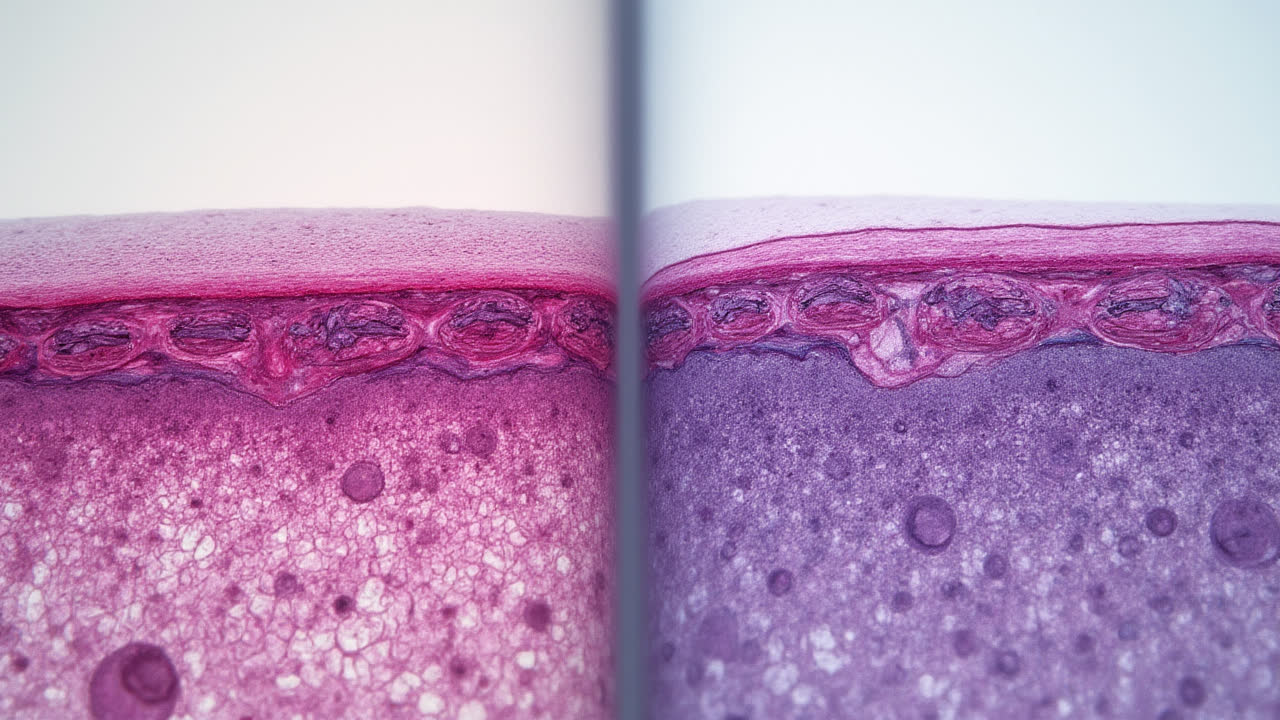
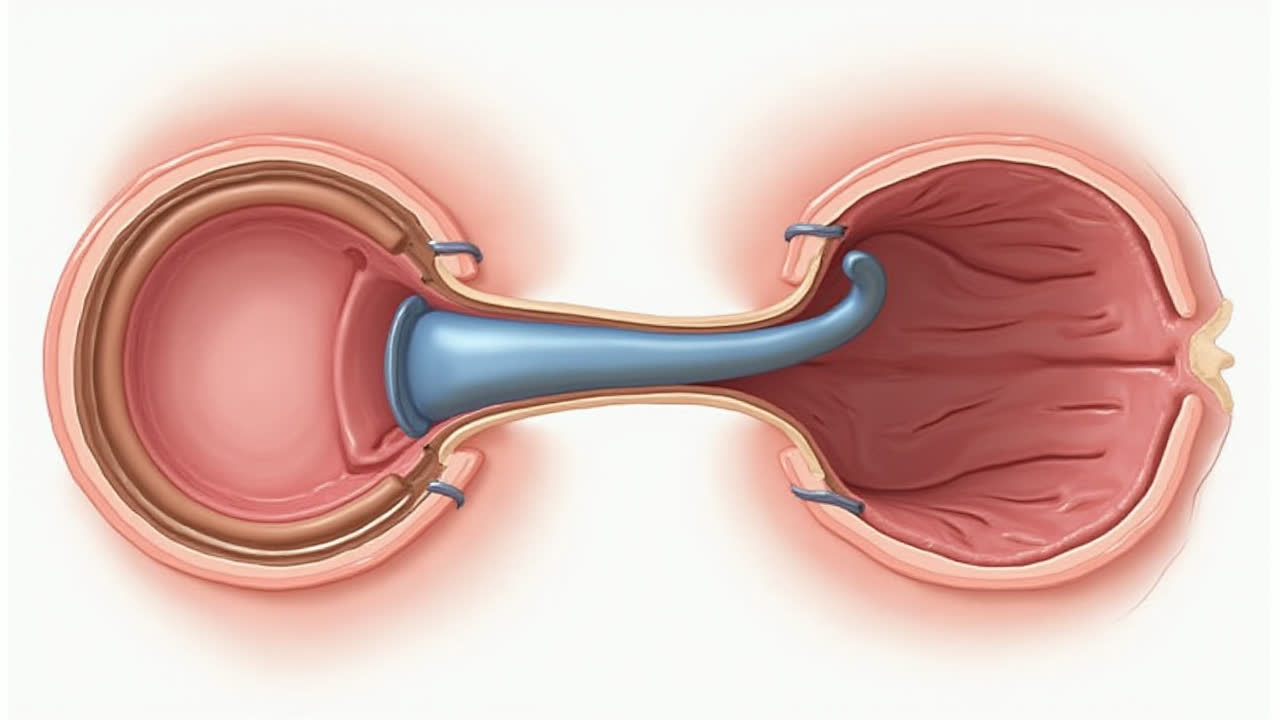
Endolymph vs Perilymph: Understanding the Key Differences
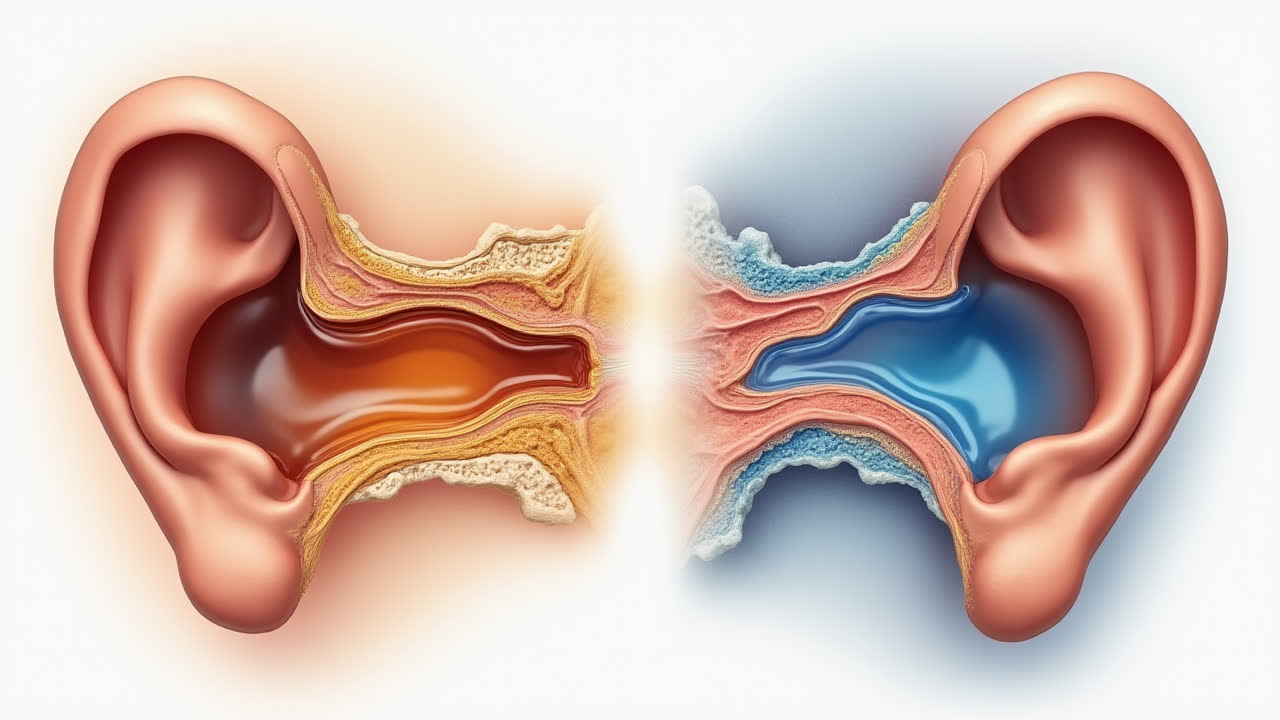
Endolymph vs Perilymph: Understanding the Key Differences
If you've ever wondered how your ears work, you're probably curious about endolymph and perilymph, two mysterious fluids that play crucial roles in your hearing and balance. These cochlear fluids might sound like something from a science fiction novel, but they're actually essential components of your inner ear that make it possible for you to enjoy music, conversations, and even the simple sound of waves crashing on a beach.
What Exactly Are Cochlear Fluids?
Your inner ear is like a sophisticated submarine, filled with two distinct fluids that work together like a perfectly choreographed dance team. Endolymph and perilymph are the stars of this underwater performance, each with their own special properties and functions.
You know how water and oil don't mix? Well, these fluids are carefully separated by the Reissner membrane, which acts like a selective bouncer at an exclusive club. This membrane ensures that each fluid stays in its designated area while they work together to process sound waves into the nerve impulses your brain can understand.
The Marvelous World of Endolymph
Let's dive deeper into the endolymph first. This fluid, also known by the fancy name "Scarpa's fluid," lives inside the membranous labyrinth of your inner ear. Think of it as the VIP section of an exclusive club - it's protected by the perilymph and surrounded by the bony labyrinth like layers of security.
What makes endolymph special is its unusual chemistry - it's almost like a rebellion in the world of body fluids. While most fluids inside your body are rich in sodium, endolymph is loaded with potassium (about 150 mM). This creates an electric potential that would make any physicist jealous - around 80-90 mV!
Perilymph: The Protective Guardian
Now, let's talk about perilymph, the bodyguard of the auditory world. This fluid hangs out between the membranous labyrinth and the bony labyrinth, keeping everything safe and sound. It's found in both the tympanic duct and vestibular duct of your cochlea.
Unlike its rebellious cousin endolymph, perilymph plays by the rules. Its composition is similar to your body's extracellular fluid - it's rich in sodium (140 mM) and chloride ions (130 mM). This conventional chemistry helps it perform its crucial job of transmitting sound waves to the endolymph.
Comparing Endolymph and Perilymph
| Feature | Endolymph | Perilymph |
|---|---|---|
| Location | Inside membranous labyrinth | Surrounds membranous labyrinth |
| Main Ion | Potassium (150 mM) | Sodium (140 mM) |
| Electric Potential | +80-90 mV | Normal body level |
| Function | Converts sound to nerve impulses | Transmits sound waves |
| Fluid Nature | Resembles intracellular fluid | Resembles extracellular fluid |
| Connection | Isolated system | Continuous with CSF |
| Found in | Cochlear duct only | Tympanic and vestibular ducts |
| Chloride Content | Low | High (130 mM) |
The Sound Wave Journey: A Step-by-Step Adventure
Here's where things get fascinating: imagine sound waves as tiny messengers traveling through your ear. These sound waves first arrive at the perilymph, which acts like a relay station. The perilymph then passes these vibrations to the endolymph, which does something truly amazing.
The endolymph's special chemistry creates what's called the "endocochlear potential" - the largest electrical potential in your entire body! This isn't just impressive; it's crucial. This potential helps convert those sound waves into electrical impulses that your brain can interpret as music, speech, or that annoying alarm in the morning.
Why These Differences Matter
You might be thinking, "Okay, so these fluids are different - big deal!" But here's the thing: these differences are what make hearing possible. The contrasting ion concentrations between endolymph and perilymph create the perfect environment for the hair cells in your inner ear to do their job.
When hair cells bend in response to sound waves, these ionic differences help generate electrical signals. It's like having a perfectly tuned instrument - everything needs to be just right for the magic to happen.
Clinical Implications: When Things Go Wrong
Understanding the difference between these fluids isn't just academic trivia. Medical conditions like Meniere's disease involve disturbances in the endolymph system, causing problems with hearing and balance. It's fascinating how such tiny fluids can have such a massive impact on our daily lives.
Sometimes, I wonder if people in the past noticed their hearing problems but had no idea that the culprit might be a fluid imbalance in their ears. Modern medicine has given us incredible insights into these microscopic systems!
The Engineering Marvel of Your Inner Ear
Have you ever stopped to appreciate what an amazing piece of engineering your ear is? The way endolymph and perilymph work together is like a perfectly choreographed ballet. The Reissner membrane maintains the delicate barrier between them, while each fluid performs its specific role in the auditory process.
This separation is so crucial that even tiny disruptions can lead to hearing issues. It's similar to how a small leak in a submarine can have serious consequences - except this submarine is inside your head, working tirelessly 24/7!
Future Research and Exciting Developments
Scientists continue to study these fluids, hoping to unlock secrets that could help treat hearing loss and balance disorders. Who knows? Maybe future treatments will involve directly manipulating the composition of endolymph and perilymph to restore hearing in people who have lost it.
The field of audiology is constantly evolving, and our understanding of these inner ear fluids is improving. It's exciting to think about what medical breakthroughs might emerge from this research!
Frequently Asked Questions
What is the main difference between endolymph and perilymph?
The main difference is their location and ionic composition. Endolymph is found inside the membranous labyrinth and is rich in potassium, while perilymph surrounds the membranous labyrinth and is rich in sodium and chloride.
How do endolymph and perilymph work together in hearing?
Perilymph transmits sound waves to the endolymph, which then converts these waves into electrical impulses through the hair cells. The unique ionic composition of endolymph helps create the electrical potential needed for this conversion.
What happens when there's an imbalance in endolymph or perilymph?
Imbalances can lead to various hearing and balance disorders. For example, Meniere's disease is associated with endolymph disturbances, causing vertigo, hearing loss, and ringing in the ears.
Key Takeaway
While endolymph and perilymph might seem like simple fluids, they're actually sophisticated components of our auditory system. Their unique properties and locations work in perfect harmony to convert sound waves into the electrical signals that let us experience the world of sound. The next time you enjoy your favorite song, remember these tiny fluids working behind the scenes!