Understanding Dystonia vs Tardive Dyskinesia: Key Differences Explained
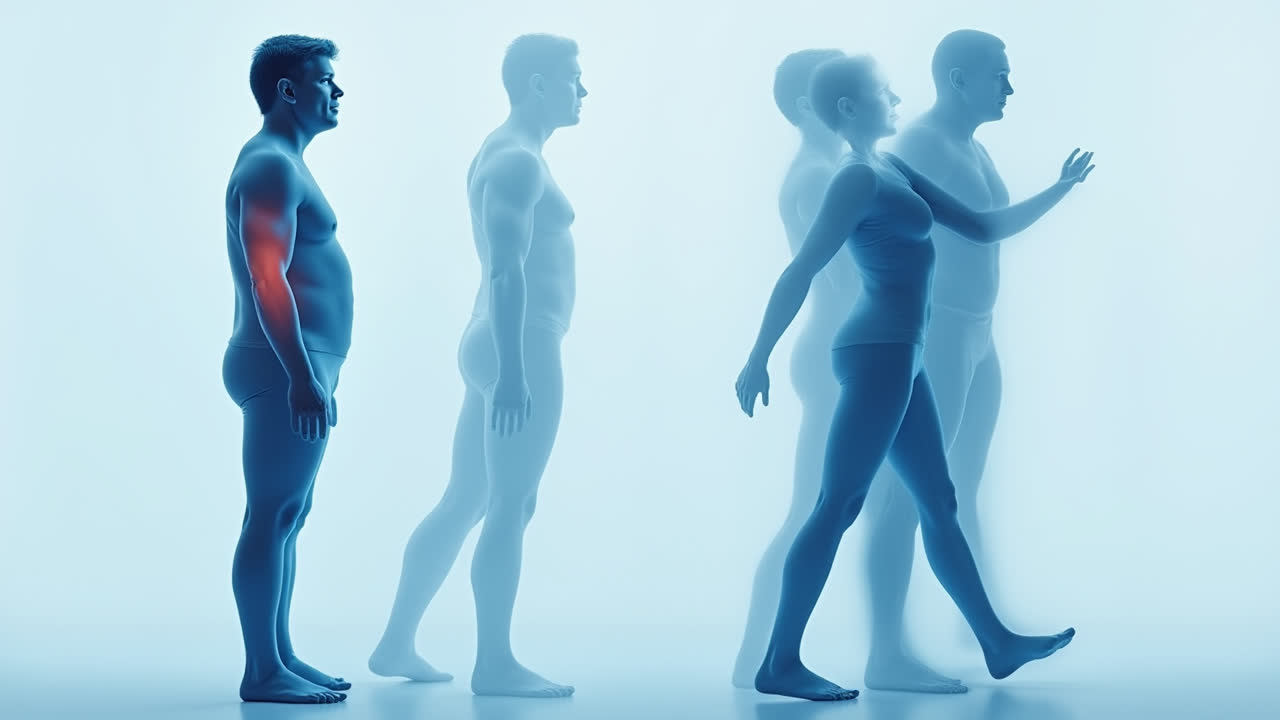
Living with movement disorders can be challenging, both for patients and their caregivers. Dystonia and tardive dyskinesia are two neurological conditions that cause involuntary movements, but understanding their differences is crucial for proper diagnosis and treatment. Despite sharing several similar features, these conditions have distinct characteristics, causes, and management approaches. This comprehensive guide will help you understand the important distinctions between these two movement disorders.
What Are Movement Disorders?
Before diving into the specifics, it's helpful to understand that both dystonia and tardive dyskinesia fall under the broader category of dyskinesias—disorders characterized by excessive and unusual involuntary muscle movements. These movement disorders can significantly impact a person's quality of life, affecting daily activities and sometimes causing social embarrassment. Have you ever wondered why our bodies sometimes move in ways we don't intend? Movement disorders reveal the complex interplay between our brain, nervous system, and muscles.
Dyskinesias encompass various subtypes including chorea (rapid, flowing movements), dystonia (sustained muscle contractions), myoclonus (sudden brief jerking), tremor (rhythmic shaking), and tardive dyskinesia (late-onset involuntary movements). Each type has distinctive patterns and triggers, making accurate diagnosis essential for effective treatment. The brain's basal ganglia—structures deep within our brain responsible for coordinating movement—often play a central role in these conditions.
Many patients describe living with movement disorders as feeling like their body has "a mind of its own." This loss of control can be frustrating and sometimes painful, affecting everything from speech to walking to daily tasks we often take for granted. The psychological impact shouldn't be underestimated; many people with movement disorders experience anxiety, depression, or social isolation as a result of their symptoms.
Understanding Dystonia
Dystonia is a neurological movement disorder characterized by involuntary muscle contractions that cause repetitive movements or abnormal postures. These contractions can be painful and may affect a single area or multiple regions of the body. Unlike some other movement disorders, dystonia typically involves sustained muscle activity that leads to twisting or unusual positioning of affected body parts. I've seen patients who describe the sensation as feeling like their muscles are "pulling" against their will.
There are two primary classifications of dystonia based on the affected body regions. Focal dystonia affects a specific body part, such as the neck (cervical dystonia or torticollis), eyes (blepharospasm), hand (writer's cramp), or voice box (spasmodic dysphonia). Generalized dystonia, on the other hand, involves multiple regions including the trunk, one or both legs, and typically at least one other body part. The experience of dystonia varies widely—some people have mild symptoms that appear only during specific activities, while others face severe, constant contractions that significantly limit their mobility and independence.
The causes of dystonia are diverse. Some cases are inherited through genetic mutations, though these are relatively rare and include conditions like dopa-responsive dystonia, idiopathic torsion dystonia, and X-linked dystonia-parkinsonism. Many cases are acquired due to underlying medical conditions like Parkinson's disease, brain injury, stroke, oxygen deprivation, infections, or as a side effect of certain medications. Interestingly, stress, fatigue, and specific body positions can trigger or worsen dystonic symptoms, highlighting the complex mind-body connection involved in this condition.
Patients with dystonia often report symptoms like leg dragging, foot cramps, involuntary pulling of the neck, uncontrollable blinking, and speech difficulties. The severity and progression of these symptoms can vary dramatically between individuals. Some notice their symptoms worsening during periods of illness, emotional stress, or physical exertion, while others may experience relatively stable symptoms over time. This variability makes each patient's journey with dystonia unique, requiring personalized treatment approaches.
What is Tardive Dyskinesia?
Tardive dyskinesia (TD) derives its name from the French word "tardif" meaning late and "dyskinesia" referring to abnormal movements. As the name suggests, it's typically a late-appearing side effect of certain medications. This neurological disorder is characterized by random, involuntary movements primarily affecting the face, tongue, and jaw, though it can also involve the limbs and torso. Unlike dystonia, which involves sustained contractions, TD movements are often more irregular and jerky in nature.
The hallmark of tardive dyskinesia is orofacial dyskinesia—involuntary movements around the mouth and face. Typically, TD begins subtly with slow, mild tongue movements that might go unnoticed. As the condition progresses, patients may develop more pronounced symptoms including exaggerated lip and tongue movements, unusual chewing motions, frequent blinking, grimacing, and bulging cheeks. Some patients describe feeling like they can't keep their mouth still or that their face is "dancing" without their permission. These movements can interfere with speaking, eating, and even breathing in severe cases.
The primary cause of tardive dyskinesia is prolonged use of neuroleptic (antipsychotic) medications. These drugs are commonly prescribed for psychiatric conditions such as schizophrenia, bipolar disorder, and severe depression. First-generation (typical) antipsychotics like haloperidol and chlorpromazine carry a higher risk, but even newer second-generation (atypical) antipsychotics can cause TD with long-term use. Genetic factors also play a significant role in determining who develops tardive dyskinesia—some individuals are simply more susceptible due to their genetic makeup, which explains why not everyone taking these medications develops the condition.
What makes tardive dyskinesia particularly challenging is that symptoms may persist even after discontinuing the causative medication. In some cases, stopping the medication actually temporarily worsens symptoms—a phenomenon known as withdrawal emergent syndrome. For many patients, this creates a difficult choice between managing their psychiatric condition with necessary medications and coping with the side effects of those same treatments. TD symptoms can wax and wane in severity throughout the day, and stress or fatigue often exacerbates them.
Comparing Dystonia and Tardive Dyskinesia
| Characteristic | Dystonia | Tardive Dyskinesia |
|---|---|---|
| Definition | Movement disorder with sustained muscle contractions causing repetitive movements or abnormal postures | Neurological disorder with involuntary, random movements primarily affecting the face and jaw |
| Primary Cause | Can be inherited or acquired (Parkinson's, brain injury, stroke, medications) | Usually medication-induced, especially from long-term antipsychotic use |
| Type of Movement | Sustained, twisting muscle contractions and spasms | Random, jerky movements without sustained postures |
| Main Affected Areas | Can affect any voluntary muscle; often limbs, neck, or entire body | Primarily affects face, jaw, tongue, and lips; sometimes limbs |
| Onset Pattern | Can appear at any age; may be present from childhood | Typically appears after prolonged medication use (months to years) |
| Pain Level | Often painful due to sustained muscle contractions | Usually not painful, but can cause discomfort |
| Treatment Approach | Botulinum toxin, anticholinergics, dopamine agents, physical therapy, DBS | Medication adjustment, VMAT2 inhibitors, benzodiazepines |
| Reversibility | Often chronic but can be managed; some forms respond well to treatment | May be irreversible once established, especially in long-standing cases |
Diagnosis and Evaluation
Diagnosing movement disorders requires careful clinical assessment, as there's no single definitive test for either dystonia or tardive dyskinesia. For dystonia, physicians typically perform a comprehensive evaluation that may include blood tests (checking electrolyte levels, complete blood count, thyroid function), imaging studies (CT scans or MRI of the brain), and sometimes genetic testing if hereditary dystonia is suspected. The doctor will also review the patient's complete medication history and perform a detailed neurological examination looking for characteristic patterns of muscle contractions.
Tardive dyskinesia diagnosis relies heavily on clinical observation and a thorough medication history. The Abnormal Involuntary Movement Scale (AIMS) is commonly used to assess and monitor TD symptoms. This standardized assessment evaluates movements in different body regions and scores their severity. A key diagnostic criterion is the connection to antipsychotic medication use—typically exposure for at least a few months, though TD can occasionally develop after shorter periods. Sometimes videotaping the patient (with consent) helps document the movements for more accurate diagnosis and monitoring over time.
Distinguishing between these conditions can be challenging because they sometimes coexist or have overlapping features. For instance, tardive dystonia is a form of medication-induced movement disorder that shares characteristics with both conditions. The timing of symptom onset relative to medication use, the specific pattern of movements, and response to certain medications can provide important diagnostic clues. In complex cases, referral to a movement disorder specialist—a neurologist with specialized training in these conditions—is often necessary for accurate diagnosis.
Treatment Approaches
Managing dystonia begins with identifying and addressing any underlying causes. If the dystonia is medication-induced, gradually tapering or discontinuing the causative drug may be recommended when possible. For primary dystonia, treatment options include oral medications such as anticholinergics (trihexyphenidyl), benzodiazepines (clonazepam), baclofen, and dopaminergic agents. Botulinum toxin injections have revolutionized treatment for focal dystonia by temporarily weakening the affected muscles, providing relief for conditions like cervical dystonia or blepharospasm. These injections typically need to be repeated every 3-4 months as the effect wears off.
For severe, medication-resistant dystonia, surgical interventions may be considered. Deep brain stimulation (DBS)—a procedure that involves implanting electrodes in specific brain regions—has become the surgical treatment of choice for many patients with debilitating dystonia. Physical therapy, occupational therapy, and various complementary approaches like biofeedback can help patients better manage their symptoms and maintain functionality. Some patients find that sensory tricks (touching certain areas near the affected body part) can temporarily interrupt dystonic movements, though the effectiveness of these gestures varies significantly between individuals.
Treating tardive dyskinesia focuses first on medication management when possible. In some cases, reducing the dose or switching to an alternative antipsychotic with lower TD risk may help, though this must be balanced against the risk of psychiatric symptom recurrence. Several medications have shown benefit specifically for TD symptoms, with VMAT2 inhibitors (valbenazine, deutetrabenazine) being the first FDA-approved treatments specifically for tardive dyskinesia. These medications work by regulating dopamine release in the brain. Other options include tetrabenazine, benzodiazepines, and in some cases, botulinum toxin for localized symptoms.
For both conditions, comprehensive care is essential. This includes addressing psychological aspects—many patients benefit from counseling to cope with the emotional impact of living with a visible movement disorder. Support groups can provide valuable emotional support and practical advice from others facing similar challenges. Patient education about symptom triggers, medication effects, and management strategies empowers individuals to take an active role in their treatment. The goal is not just symptom control but improving overall function and quality of life.
Frequently Asked Questions About Dystonia and Tardive Dyskinesia
Can dystonia and tardive dyskinesia occur simultaneously in the same patient?
Yes, a patient can experience both dystonia and tardive dyskinesia simultaneously. This is particularly common in cases of medication-induced movement disorders. Tardive syndromes can manifest with various movement patterns, including both dyskinetic (random, jerky) and dystonic (sustained, twisting) components. This combination is sometimes referred to as tardive dystonia or as part of tardive syndrome. Treatment becomes more complex in these cases and often requires a multifaceted approach targeting both types of movements. A movement disorder specialist can help develop a comprehensive treatment plan addressing both conditions.
Are dystonia and tardive dyskinesia progressive conditions?
The progression patterns differ between these conditions. Primary dystonia often stabilizes after an initial progression period, especially in adult-onset focal forms. Some childhood-onset dystonias may progress from a focal form to become more generalized over time. For tardive dyskinesia, the course is less predictable. If the causative medication is continued, TD typically worsens over time. However, if the medication is discontinued early after symptom onset, there's a better chance of improvement or resolution. Unfortunately, in many cases, tardive dyskinesia persists indefinitely even after stopping the medication, particularly if it was present for a long period before discontinuation.
What lifestyle modifications can help manage symptoms of dystonia and tardive dyskinesia?
Several lifestyle modifications can help manage symptoms in both conditions. Stress reduction techniques such as mindfulness meditation, progressive muscle relaxation, and deep breathing exercises often reduce symptom severity, as stress commonly triggers or worsens involuntary movements. Regular, gentle exercise helps maintain overall physical health and may improve symptoms for some patients. Adequate sleep is crucial, as fatigue frequently exacerbates movement disorders. For dystonia, identifying and avoiding specific triggers (certain activities, positions, or environmental factors) can be helpful. Some patients find that sensory tricks, like touching the affected area or adjacent regions, can temporarily interrupt dystonic movements. Support groups provide both practical tips and emotional support from others with similar experiences.
Conclusion
Understanding the differences between dystonia and tardive dyskinesia is essential for proper diagnosis and treatment. While both conditions involve involuntary movements, they differ significantly in their causes, presentation, and management approaches. Dystonia typically involves sustained muscle contractions leading to abnormal postures, while tardive dyskinesia features random, jerky movements primarily affecting the face and mouth. The distinction matters because treatment strategies vary considerably between these conditions.
If you or someone you know is experiencing unusual involuntary movements, seeking evaluation from a neurologist—ideally one specializing in movement disorders—is crucial. Early diagnosis often leads to better outcomes, particularly for tardive dyskinesia where prompt medication adjustment might prevent irreversible symptoms. With advances in treatment options for both conditions, many patients can achieve significant symptom relief and improved quality of life, even if a complete cure isn't currently possible.
Living with a movement disorder presents unique challenges, but with proper medical care, support systems, and self-management strategies, individuals with dystonia or tardive dyskinesia can lead fulfilling lives. The field continues to evolve, with ongoing research into new treatments and deeper understanding of the underlying mechanisms of these complex neurological conditions. Hope lies in these advancements and in the resilience of the human spirit to adapt and thrive despite physical challenges.