Data Modeling vs Process Modeling: Key Differences Explained
Data Modeling vs Process Modeling: Understanding the Key Differences
When it comes to data modeling and process modeling, many people find themselves scratching their heads wondering what sets these two techniques apart. I've been working with both for several years now, and let me tell you, the differences are more significant than you might think. Whether you're a business analyst, database architect, or just someone curious about how organizations structure their information, this guide will clarify everything you need to know.
What Is Data Modeling?
Let's start with data modeling, shall we? It's the process of creating a visual representation of data structures for an information system. Think of it as drawing a blueprint for your database – you're essentially mapping out how pieces of information will relate to each other in your digital world.
Here's something interesting I've noticed in my experience: many organizations jump straight into database creation without proper data modeling. That's like building a house without architectural plans! Data modeling involves working closely with professional data modelers and system users to understand data requirements thoroughly.
Types of Data Models
There are three main types of data models you'll encounter:
- Conceptual Data Model: This is your high-level overview. It shows important entities and relationships without getting into nitty-gritty details like attributes or keys.
- Logical Data Model: Now we're getting specific! This includes attributes, primary keys, foreign keys, and involves normalization to reduce redundancy.
- Physical Data Model: This is where the rubber meets the road – the actual database implementation with all technical specifications.
Understanding Process Modeling
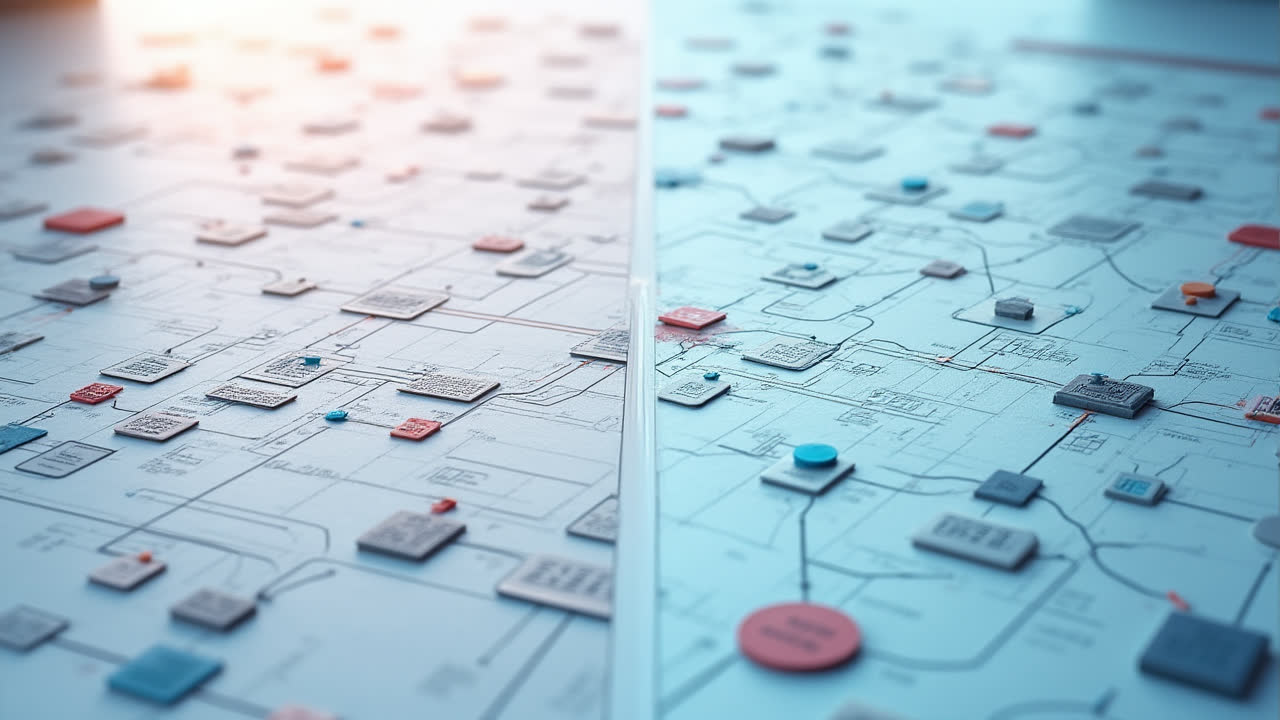
Now, let's shift gears to process modeling. This technique focuses on categorizing and organizing similar processes into a unified model. It's like creating a flowchart that shows how work gets done in your organization.
I remember working with a manufacturing company where they had dozens of different processes for handling customer orders. Through process modeling, we grouped similar processes together and created a streamlined model that saved them significant time and resources. That's the power of effective process modeling!
A process model describes workflows at the type level, meaning you can use the same model to develop multiple applications. This reusability is one of its greatest strengths. Business process modeling, for instance, helps organizations analyze their operations and identify automation opportunities.
Data Modeling vs Process Modeling: A Comprehensive Comparison
| Aspect | Data Modeling | Process Modeling |
|---|---|---|
| Primary Focus | Data structures and relationships | Workflow and procedural logic |
| Main Deliverable | Database schema | Process diagrams and workflows |
| Key Participants | Data architects, database designers | Business analysts, process managers |
| Output Type | Entity-relationship diagrams | Flowcharts, BPMN diagrams |
| Technical Level | Highly technical, database-focused | Business-oriented, less technical |
| Main Objective | Define data storage and access patterns | Optimize business operations |
| Change Frequency | Structure changes less frequently | Processes evolve more often |
| Stakeholder Focus | IT teams and developers | Business users and managers |
When to Use Each Approach
Here's where things get practical. You might be wondering, "When should I use data modeling versus process modeling?" Well, it depends on what you're trying to achieve.
If you're designing a new database system or updating existing data structures, data modeling is your go-to technique. It helps you visualize how information flows and connects within your system.
On the other hand, if you're looking to streamline operations, document workflows, or identify inefficiencies in your business processes, process modeling is the tool you need. It's particularly valuable when you're preparing for digital transformation initiatives.
Benefits of Data Modeling
- Treats data as a valuable resource
- Enables system integration
- Supports data warehouse design
- Facilitates better understanding across teams
Advantages of Process Modeling
- Tracks process performance metrics
- Identifies improvement opportunities
- Establishes operational guidelines
- Supports automation efforts
Real-World Applications
Let me share a quick story from my consulting days. I worked with a retail company that was struggling with inventory management. Through data modeling, we redesigned their database to better track product relationships and inventory levels. Simultaneously, we used process modeling to map out their order fulfillment workflow.
The result? A 30% reduction in processing time and significantly improved data accuracy. This example perfectly illustrates how both techniques can work together to solve complex business challenges.
What's fascinating is how these two approaches complement each other. While data modeling focuses on the "what" (what data exists and how it's structured), process modeling focuses on the "how" (how work gets done).
Best Practices for Implementation
Whether you're implementing data models or process models, here are some tips I've learned the hard way:
For data modeling, start simple with a conceptual model before diving into technical details. Get stakeholder buy-in early and iterate based on feedback. Don't forget to consider future scalability – your database will likely grow over time.
With process modeling, involve actual process participants in the mapping exercise. They know the shortcuts, exceptions, and real-world variations that documentation often misses. And please, keep it visual – complex text descriptions lose people quickly.
One thing I've noticed is that successful organizations don't view these as one-time activities. Both data modeling and process modeling require ongoing maintenance and updates as business needs evolve.
Common Pitfalls to Avoid
Here's what keeps me up at night: seeing organizations make the same mistakes repeatedly. With data modeling, the biggest error is over-complication. Not every system needs a perfectly normalized database – sometimes simplicity trumps technical perfection.
For process modeling, beware of creating diagrams that look impressive but don't reflect reality. I've seen beautiful BPMN diagrams that gather dust because they don't match actual workflows.
Another common mistake? Thinking you have to choose between data modeling and process modeling. In reality, the most successful projects use both approaches strategically.
The Future of Modeling Techniques
As we look ahead, both data modeling and process modeling are evolving rapidly. Artificial intelligence and machine learning are automating parts of these processes, while cloud computing is changing how we think about data storage and access patterns.
What excites me most is the increasing convergence of these two disciplines. Modern tools are beginning to bridge the gap between data and process modeling, offering integrated approaches to business architecture.
The future likely holds more automated modeling techniques, real-time process monitoring, and even predictive modeling capabilities. But here's the thing – the fundamental principles remain the same.
Frequently Asked Questions
What's the main difference between data modeling and process modeling?
The main difference is that data modeling focuses on creating visual representations of data structures and relationships within an information system, while process modeling categorizes and organizes similar business processes into unified workflow models. Data modeling deals with the "what" of information, while process modeling addresses the "how" of operations.
Can an organization use both data modeling and process modeling together?
Absolutely! In fact, using both approaches together often yields the best results. Data modeling helps design robust database systems, while process modeling ensures efficient operations. Together, they provide a comprehensive view of both information architecture and business workflows, enabling better alignment between IT systems and business objectives.
Which modeling technique should beginners start with?
For beginners, process modeling is often easier to understand and implement because it deals with more tangible business workflows. However, the choice depends on your role and objectives. Business analysts typically start with process modeling, while database developers naturally begin with data modeling. Starting with conceptual models in either approach is recommended before diving into complex technical details.
Conclusion
Understanding the difference between data modeling and process modeling is crucial for anyone involved in information systems or business optimization. While data modeling focuses on structuring and organizing data, process modeling concentrates on workflow optimization and business process documentation.
Both techniques serve essential but distinct purposes in modern organizations. By mastering both approaches and knowing when to apply each, you'll be better equipped to drive meaningful improvements in your organization's information systems and operational efficiency.
Remember, the goal isn't to choose one over the other, but to leverage both strategically based on your specific needs and objectives. Happy modeling!