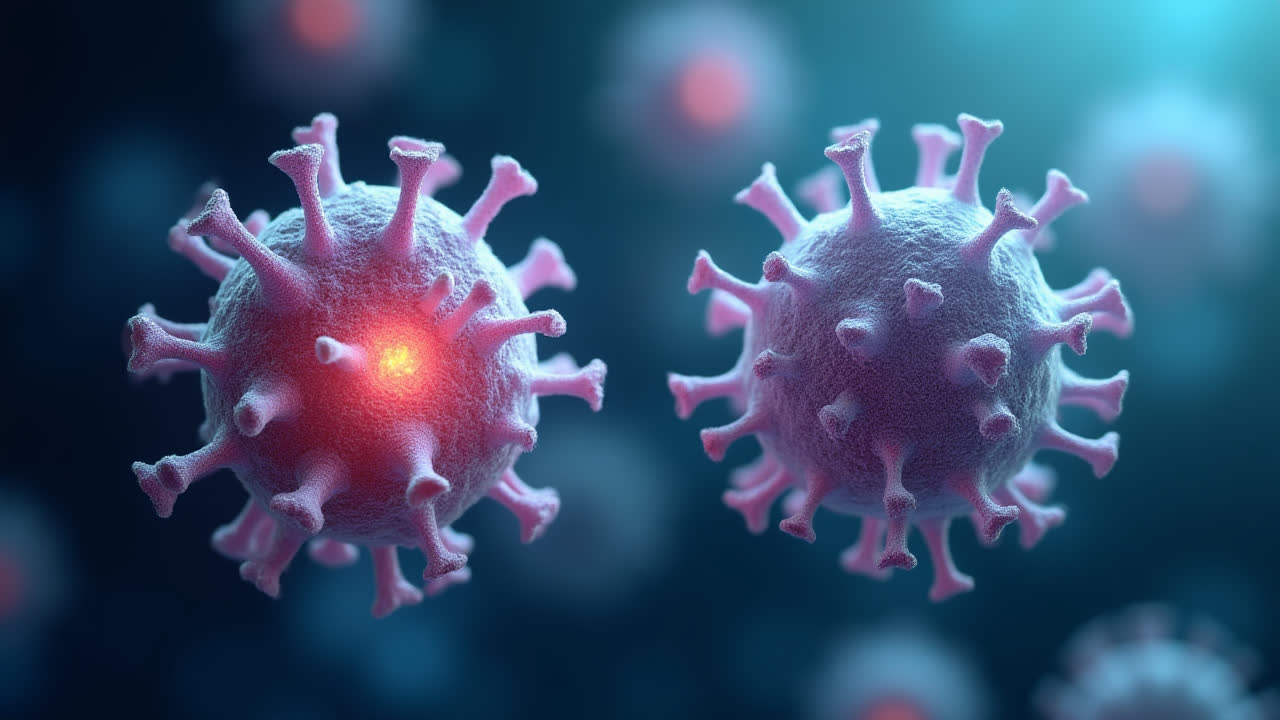
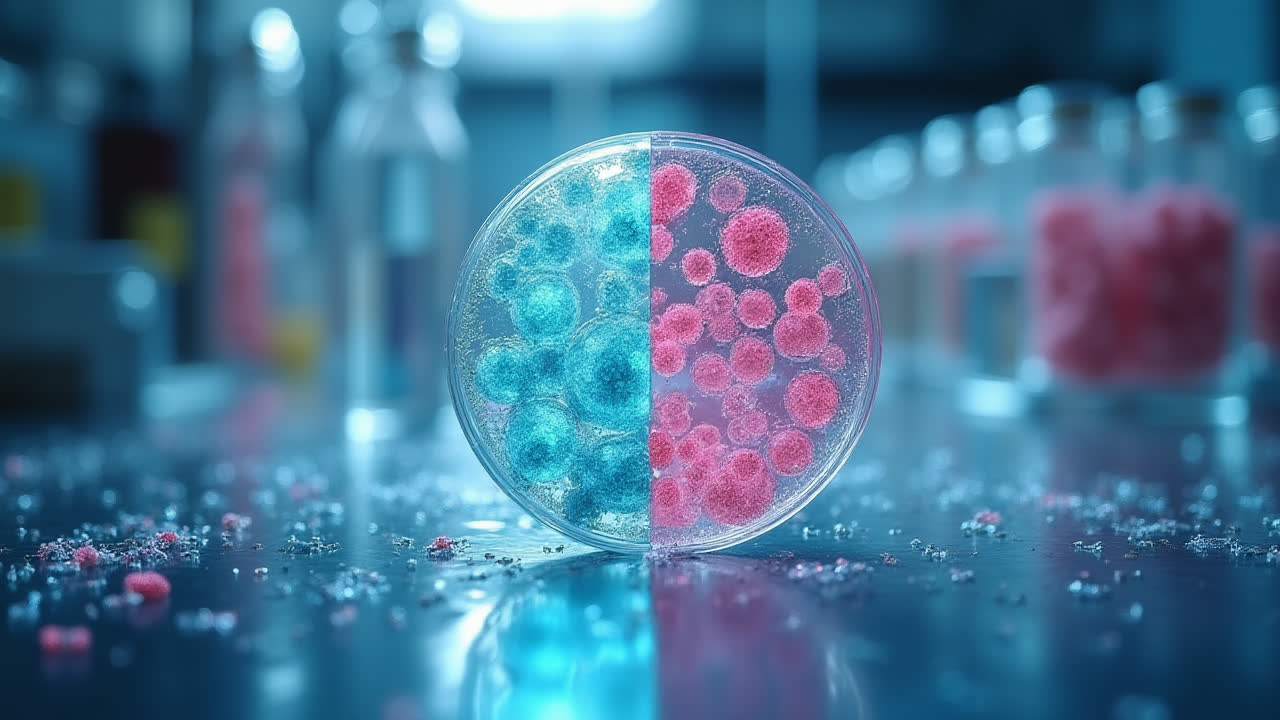
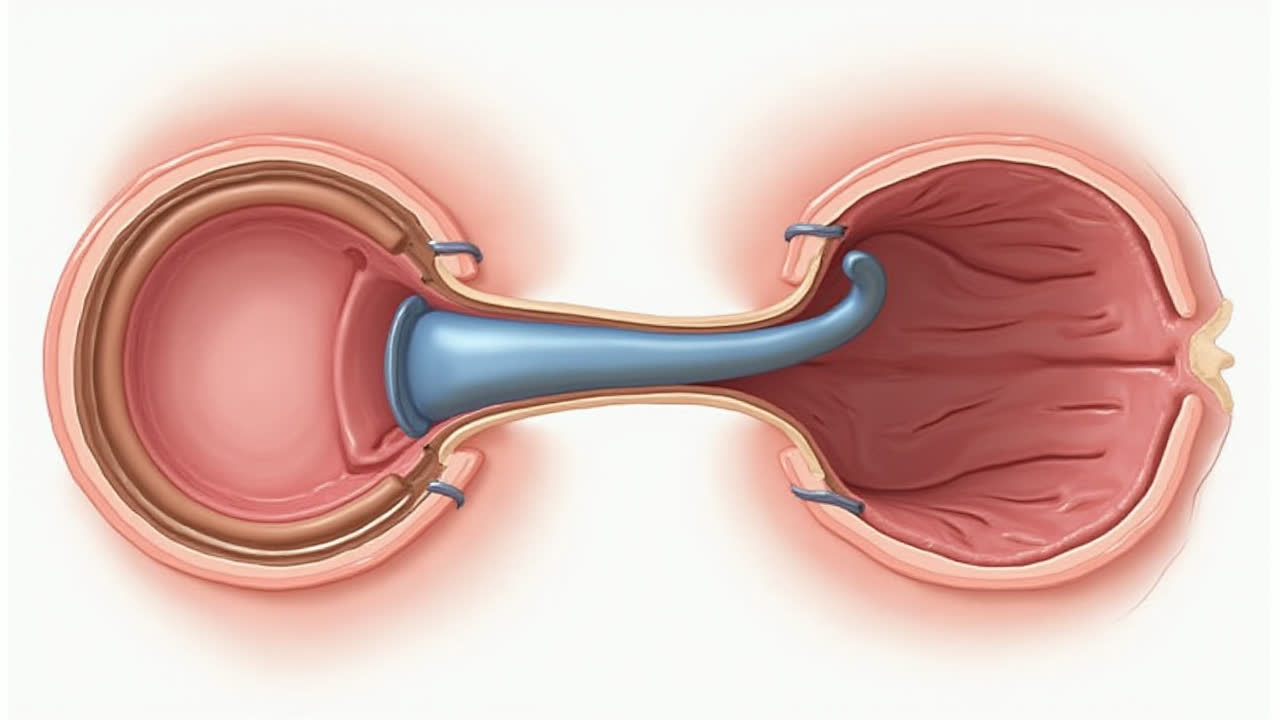
CRISPR vs Restriction Enzymes: 8 Key Differences You Should Know
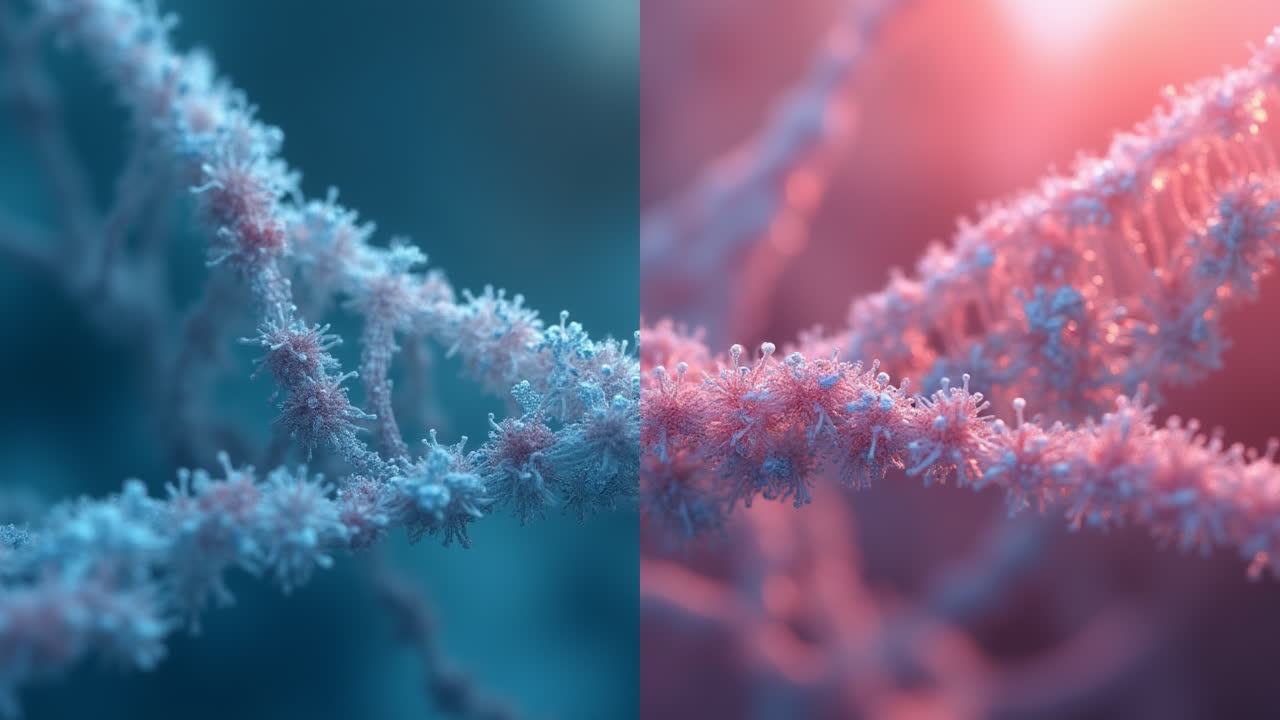
The world of molecular biology has revolutionized our ability to manipulate DNA, opening doorways to groundbreaking applications in medicine, agriculture, and biotechnology. At the forefront of this revolution are two powerful tools: CRISPR and restriction enzymes. While both serve as molecular scissors for DNA manipulation, their mechanisms, applications, and capabilities differ significantly. Understanding these differences is crucial for researchers, students, and anyone interested in the fascinating field of genetic engineering.
What Is CRISPR? The Revolutionary Gene-Editing Tool
CRISPR, which stands for Clustered Regularly Interspaced Short Palindromic Repeats, represents one of the most significant breakthroughs in modern genetic engineering. Originally discovered as a natural defense mechanism in bacteria against viral infections, CRISPR has been adapted into a powerful gene-editing tool that has transformed how we manipulate DNA. The complete system, often referred to as CRISPR-Cas (CRISPR-associated proteins), consists of two main components: the CRISPR array and Cas proteins.
The CRISPR array contains repeated DNA sequences separated by unique "spacer" sequences derived from past viral invaders. These spacers essentially serve as a genetic memory bank, allowing bacteria to recognize and defend against returning viruses. When a matching virus attacks again, the bacterium produces RNA copies of the spacers, which guide Cas proteins (most commonly Cas9) to the matching viral DNA, enabling the protein to cut and disable it.
What makes CRISPR truly revolutionary is how scientists have repurposed this bacterial defense system. By creating custom guide RNAs that match a target DNA sequence, researchers can direct Cas9 to cut specific genes with remarkable precision. After cutting, the cell's natural repair mechanisms kick in, allowing scientists to either disable a gene or insert new genetic material at the cut site. This process provides unprecedented control over genetic material, enabling modifications that were previously impossible or extremely difficult to achieve.
I've seen CRISPR transform research labs across the country. Just five years ago, gene editing experiments that would have taken months now require just days or weeks. The accessibility of this technology has democratized genetic engineering, allowing smaller labs and institutions to perform cutting-edge research that was once the exclusive domain of well-funded research powerhouses. Have you ever wondered what makes CRISPR so much more accessible than previous gene-editing technologies?
Understanding Restriction Enzymes: The Original DNA Scissors
Long before CRISPR entered the scientific scene, restriction enzymes were the workhorses of molecular biology and genetic engineering. These naturally occurring proteins, also known as restriction endonucleases, were first discovered in bacteria in the late 1960s. They serve as a bacterial defense mechanism against viral invasions by cutting foreign DNA at specific nucleotide sequences called restriction sites.
Restriction enzymes recognize and bind to specific DNA sequences, typically 4-8 base pairs long. These sequences are often palindromic, meaning they read the same forward and backward on complementary strands. For instance, the restriction enzyme EcoRI recognizes the sequence GAATTC. The enzyme then cleaves the phosphodiester bonds between specific nucleotides within this recognition sequence, effectively cutting the DNA strand at precise locations.
When restriction enzymes cut DNA, they can produce either "blunt ends" (where both strands are cut at exactly the same point) or "sticky ends" (where the cuts on each strand are offset, creating short, single-stranded overhangs). Sticky ends are particularly useful in genetic engineering as they can easily bind to complementary sequences, facilitating the joining of DNA fragments from different sources.
I remember my first laboratory experience with restriction enzymes during my undergraduate studies. We spent hours meticulously pipetting tiny volumes of these enzymes, calculating optimal temperatures and incubation times. There was something magical about running our digested DNA on a gel and seeing the distinct bands appear, confirming we had successfully cut the DNA at precisely the locations we intended. The process felt like molecular surgery, requiring both technical precision and an artist's touch.
Despite being older technology, restriction enzymes remain invaluable tools in molecular biology labs around the world. They're used for DNA fingerprinting, creating recombinant DNA molecules, gene cloning, and mapping genomes. Their specificity and reliability have made them a cornerstone of genetic engineering for over five decades, though their limitations have become more apparent with the rise of newer technologies like CRISPR.
Key Differences Between CRISPR and Restriction Enzymes
| Feature | CRISPR-Cas System | Restriction Enzymes |
|---|---|---|
| Origin | Adaptive immune system in bacteria | Bacterial defense mechanism |
| Targeting Mechanism | RNA-guided (programmable) | Recognition of specific DNA sequences |
| Flexibility | Highly flexible - can target almost any DNA sequence | Limited to specific recognition sequences |
| Precision | High precision with minimal off-target effects | Precise but limited to recognition sites |
| Main Applications | Gene editing, gene regulation, disease treatment | DNA cloning, mapping, forensic analysis |
| Complexity of Use | Relatively simple design process | More complex protocols for specific applications |
| Editing Capabilities | Can delete, insert, or modify genes | Primarily cuts DNA at specific sites |
| Cost | Initially expensive but becoming more affordable | Generally more economical for basic applications |
Applications of CRISPR: Beyond Simple DNA Cutting
The applications of CRISPR technology extend far beyond simple gene editing, revolutionizing multiple fields of research and practical applications. In medicine, CRISPR offers unprecedented opportunities for treating genetic diseases. Clinical trials are currently underway for CRISPR-based treatments for conditions like sickle cell anemia, beta-thalassemia, and certain forms of cancer. By correcting the genetic mutations responsible for these diseases, CRISPR therapy aims to provide long-lasting or permanent cures rather than just symptom management.
In agriculture, CRISPR is being used to develop crops with enhanced nutritional content, improved resistance to pests and diseases, and better tolerance to environmental stresses like drought. Unlike traditional GMO approaches, CRISPR modifications can be made with precision, often mimicking changes that could occur naturally through mutation and selection. This has important implications for regulation and public acceptance, though debates continue about how CRISPR-modified organisms should be classified and regulated.
Research applications of CRISPR have exploded in recent years. Scientists use the technology to create model organisms with specific genetic modifications, enabling detailed studies of gene function and disease mechanisms. CRISPR screens, where thousands of genes are simultaneously edited in a cell population, allow researchers to quickly identify genes involved in specific biological processes or disease pathways. The technology has also been adapted for epigenetic modifications, allowing scientists to study how changes in gene expression, rather than the underlying DNA sequence, affect cellular function.
One area that particularly fascinates me is the potential use of CRISPR in conservation biology. Researchers are exploring how gene editing might help endangered species adapt to environmental changes or resist diseases threatening their survival. For instance, scientists are investigating whether CRISPR could help amphibians develop resistance to the deadly chytrid fungus that has decimated populations worldwide. Of course, such applications raise profound ethical questions about human intervention in natural ecosystems and the potential for unintended consequences.
Applications of Restriction Enzymes: The Foundation of Genetic Engineering
While CRISPR may capture more headlines, restriction enzymes remain fundamental tools in molecular biology with diverse and important applications. The development of recombinant DNA technology, which essentially launched the biotechnology revolution, relies heavily on restriction enzymes. These enzymes enable scientists to cut DNA at specific sites and join fragments from different sources, creating chimeric molecules that can be cloned and expressed in host organisms.
In molecular cloning, restriction enzymes are used to insert genes of interest into plasmid vectors, which can then be introduced into bacterial cells for protein production. This approach has been instrumental in manufacturing important biopharmaceuticals like insulin, growth hormone, and various therapeutic proteins. The precision of restriction enzymes ensures that genes are inserted in the correct orientation and reading frame, allowing for proper expression of the target protein.
DNA fingerprinting, a technique widely used in forensic science and paternity testing, also relies on restriction enzymes. By cutting DNA at specific recognition sites that vary between individuals, scientists can generate unique patterns of DNA fragments that serve as a genetic "fingerprint." This application has revolutionized criminal investigations and fundamentally changed how evidence is evaluated in the legal system.
In my early lab work, I was always amazed by how restriction enzyme mapping could reveal so much about an unknown DNA sequence. By cutting the DNA with different enzymes and analyzing the resulting fragment patterns, we could deduce the approximate locations of various restriction sites and construct a "map" of the molecule. Before the era of cheap and rapid DNA sequencing, this technique was essential for characterizing new genetic material and planning cloning strategies.
Genetic engineering of crops, which predates CRISPR by decades, has traditionally relied on restriction enzymes to introduce new traits like herbicide resistance or enhanced nutritional content. While these older GMO approaches are less precise than CRISPR-based methods, they have nonetheless made significant contributions to agricultural productivity and food security around the world.
Advantages and Limitations: When to Use Each Technology
Choosing between CRISPR and restriction enzymes depends largely on the specific application and research goals. CRISPR offers unparalleled flexibility and precision for targeted gene editing. Its ability to be programmed to target virtually any DNA sequence gives it a significant advantage over restriction enzymes, which are limited to their specific recognition sites. For research involving gene knockouts, insertions, or precise mutations at locations not conveniently near restriction sites, CRISPR is clearly the superior choice.
However, restriction enzymes still hold several advantages in certain contexts. They are generally more economical for basic molecular cloning applications and have a long history of reliable use with well-established protocols. For standard recombinant DNA work, restriction enzyme-based cloning remains efficient and cost-effective. Many commercial kits and vectors are designed specifically around common restriction sites, making them convenient for routine laboratory procedures.
From a technical standpoint, CRISPR systems require design and testing of guide RNAs, which adds an extra layer of complexity and potential troubleshooting. Restriction enzymes, in contrast, have predictable activity at well-characterized sites. Additionally, while CRISPR technology has improved dramatically in reducing off-target effects, restriction enzymes offer exceptional specificity for their recognition sequences, with decades of characterization behind them.
I've found that many labs today use both technologies complementarily rather than exclusively. For instance, restriction enzymes might be used to prepare vectors or confirm successful CRISPR editing through restriction fragment length polymorphism analysis. This hybrid approach leverages the strengths of both technologies while minimizing their individual limitations.
It's worth noting that the regulatory landscape also differs between these technologies. Because restriction enzyme-based genetic modifications have a longer history, the regulatory pathways for such products (particularly in agriculture) are well-established. CRISPR-modified organisms face evolving regulatory frameworks that vary significantly between countries and regions, potentially affecting the timeline for bringing such products to market.
Frequently Asked Questions About CRISPR and Restriction Enzymes
Can CRISPR completely replace restriction enzymes in laboratory settings?
No, CRISPR and restriction enzymes often serve complementary roles in modern molecular biology laboratories. While CRISPR excels at targeted gene editing and modifications at specific genomic locations, restriction enzymes remain invaluable for traditional cloning, DNA fingerprinting, and routine DNA manipulation tasks. Many protocols still rely on restriction digestion for vector preparation, insert verification, and diagnostic purposes. The choice between technologies depends on the specific application, with many researchers using both in their workflows. Restriction enzymes offer simplicity, established protocols, and cost-effectiveness for many basic molecular biology applications, while CRISPR provides unparalleled precision for complex gene editing tasks.
What are the main ethical concerns surrounding CRISPR technology?
Ethical concerns around CRISPR primarily center on germline editing (changes that would be inherited by future generations), potential for creating "designer babies," unintended consequences of gene editing, and equitable access to the technology. The 2018 controversy over CRISPR-edited babies in China highlighted these issues and led to calls for stronger international oversight. Other concerns include ecological impacts of gene drives that could spread engineered traits through wild populations, dual-use potential for bioweapons, and questions about ownership and patenting of CRISPR-related innovations. The scientific community continues to debate appropriate boundaries and regulations, with many advocating for responsible development that balances innovation with careful consideration of risks and ethical implications.
How accessible are these technologies for small research labs or educational institutions?
Both technologies have become increasingly accessible to smaller labs and educational institutions, though with different cost profiles. Restriction enzymes are generally more affordable for basic applications, with many common enzymes available at reasonable prices and requiring minimal specialized equipment beyond standard laboratory setups. CRISPR systems, while initially expensive and complex, have seen dramatic decreases in cost and increases in accessibility over the past decade. Many educational suppliers now offer CRISPR kits specifically designed for teaching laboratories, and non-profit organizations like Addgene provide plasmids and resources at reduced costs for academic institutions. Online resources, protocols, and design tools have further democratized access to both technologies, allowing smaller institutions to incorporate sophisticated molecular biology techniques into their research and teaching programs.
Conclusion: The Complementary Future of DNA Manipulation Tools
The comparison between CRISPR and restriction enzymes highlights not just the evolution of molecular biology tools, but also the complementary nature of different technologies in scientific advancement. While CRISPR represents a revolutionary leap forward in our ability to precisely modify genetic material, restriction enzymes continue to serve as reliable workhorses for many standard molecular biology applications.
Looking ahead, it seems likely that both technologies will continue to coexist in research laboratories and biotechnology companies. The precision and flexibility of CRISPR will drive innovations in gene therapy, agriculture, and fundamental research, while the simplicity and established protocols of restriction enzyme-based techniques will remain valuable for routine DNA manipulation tasks.
As with many scientific tools, the choice between CRISPR and restriction enzymes is not about declaring one superior to the other, but rather about selecting the right tool for the specific task at hand. Understanding the strengths, limitations, and applications of each technology enables researchers to make informed choices that advance their scientific goals most effectively.
The rapid pace of innovation in molecular biology suggests that we may soon see new tools that further expand our capabilities for genetic manipulation. However, the fundamental principles established through decades of work with restriction enzymes and the revolutionary potential demonstrated by CRISPR will undoubtedly influence and shape these future developments. In science, even our most cutting-edge tools build upon the foundations laid by earlier discoveries—a testament to the cumulative and collaborative nature of scientific progress.