Clarification vs Filtration: Understanding Key Differences and Applications
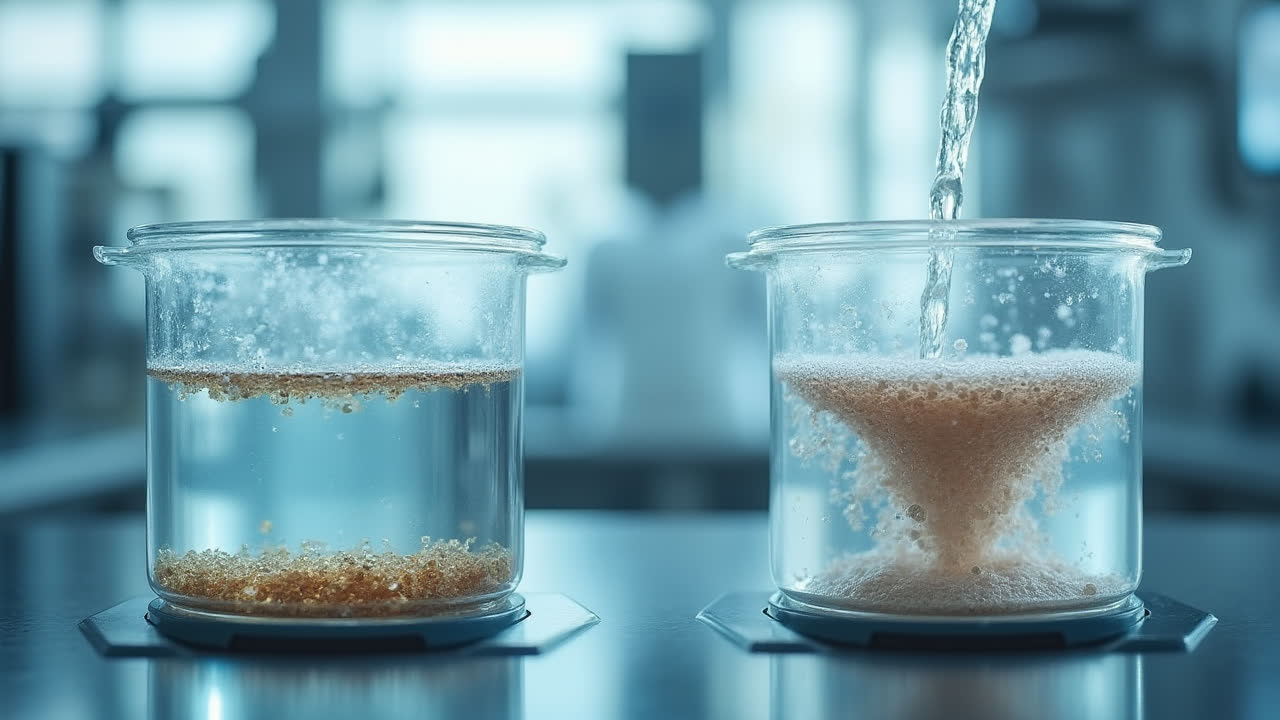
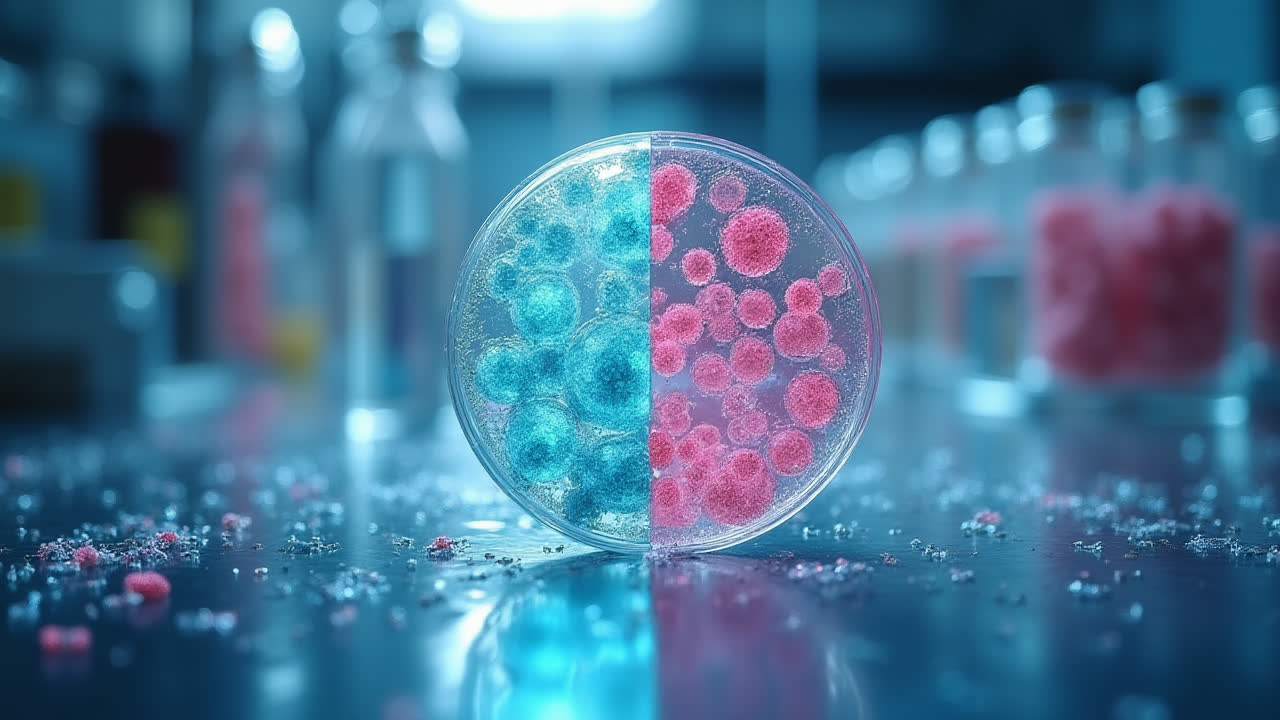
When it comes to purifying liquids and separating unwanted particles, clarification and filtration are two fundamental processes used across various industries. While both methods aim to achieve cleaner liquids, they operate on different principles and serve distinct purposes. Have you ever wondered why some processes use clarification while others rely on filtration? Or perhaps which method would work best for your specific needs?
In this comprehensive guide, we'll explore the fascinating world of liquid purification techniques, focusing on the differences between clarification and filtration. By the end, you'll have a clear understanding of how these processes work, their applications, and when to use each method for optimal results.
What is Clarification?
Clarification is a broad term that encompasses various methods used to remove unwanted suspended particles from a liquid, making it clearer and more visually appealing. These suspended particles can range from microscopic to those large enough to be visible to the naked eye, such as colloids, suspended solids, and precipitates. The primary goal of clarification is to isolate a desired product (typically a dissolved substance) from unwanted byproducts or impurities.
Think of clarification as a general cleaning process for liquids. When you look at a cloudy liquid and wish it were transparent, you're essentially wanting to clarify it. The cloudiness comes from tiny particles suspended in the liquid that scatter light, making it appear hazy. Clarification targets these particles specifically, removing them to achieve a clearer result.
One of the fascinating aspects of clarification is its versatility. It isn't limited to a single technique but encompasses several methods including sedimentation, centrifugation, coagulation, flocculation, and yes, even filtration. Each of these techniques works in different ways to achieve the same goal: removing unwanted particles from a liquid.
Applications of Clarification
Clarification finds applications across numerous industries and everyday processes. Perhaps the most critical application is in water purification, where it plays a vital role in removing microorganisms, dirt, and other contaminants before the water is deemed safe for consumption. Without effective clarification processes, our drinking water would contain visible particles and potentially harmful substances.
In the beverage industry, clarification is essential for producing clear drinks like certain beers, wines, and fruit juices. When you enjoy a glass of apple juice that's transparent rather than cloudy, you're benefiting from clarification processes. Similarly, in pharmaceutical manufacturing, clarification helps isolate pure compounds from reaction mixtures, ensuring medication safety and efficacy.
Another important application is in wastewater treatment, where clarification helps remove suspended solids before the water undergoes further treatment or is released back into the environment. This application is crucial for environmental protection and sustainable water management practices.
What is Filtration?
Filtration is a specific physical separation technique that uses a filter medium with a porous structure to separate solid particles from a fluid (either liquid or gas). The filter medium contains pores of a specific size that allow the liquid to pass through while trapping solid particles that are larger than the pore size. Common filter media include sand beds, tightly woven cloth, paper filters, or complex membranes with microscopic pores.
Unlike the broader concept of clarification, filtration operates on a simple mechanical principle: particles that are larger than the filter pores get trapped, while the liquid and any dissolved substances small enough to pass through the pores continue on as the filtrate. It's a bit like using a colander to drain pasta—the water passes through the holes, but the pasta stays behind.
The filtration process typically involves three main elements: the mixture (a heterogeneous combination of liquid and suspended particles), the filter (positioned in a funnel or other apparatus), and the separation mechanism (where the liquid passes through the filter while solids are retained). The efficiency of filtration depends largely on the filter medium's properties, including pore size, thickness, and material composition.
Applications of Filtration
Filtration is ubiquitous in both laboratory settings and everyday life. In laboratories, it's commonly used to prepare samples for analysis by removing interfering solids, to isolate precipitates from solutions, or to purify compounds after synthesis. The precision of laboratory filtration techniques allows scientists to work with exceptionally pure substances, essential for accurate research results.
In industrial settings, filtration plays a crucial role in numerous processes. For instance, in the food and beverage industry, filtration helps remove impurities from drinks like coffee, tea, and wine. When you use a coffee maker at home, you're employing filtration to separate the liquid coffee from the grounds. Similarly, in pharmaceutical manufacturing, filtration ensures that medications are free from particulate matter that could be harmful if injected or ingested.
Environmental applications of filtration are also significant. Air filtration systems in buildings, cars, and industrial facilities remove particulates from the air, improving air quality and protecting machinery. Water filtration systems, from simple home filters to complex municipal treatment plants, use various filtration methods to remove contaminants and provide clean, safe water.
Clarification vs Filtration: Key Differences
| Comparison Point | Clarification | Filtration |
|---|---|---|
| Definition | A broader term for any process that removes unwanted materials from a liquid | A specific method using a physical barrier to separate solids from a liquid |
| Scope | Can remove solids, gases, or even other liquids | Primarily focuses on removing solid particles |
| Methods Involved | Includes filtration, flocculation, sedimentation, centrifugation | Relies solely on a physical barrier (filter medium) |
| Particle Size Handled | Typically deals with removing relatively small amounts of particles causing haziness | Can handle a wider range of particle sizes from large to very fine |
| Primary Mechanism | Various (gravity, chemical reactions, physical barriers) | Size exclusion through a porous medium |
| Equipment Complexity | Can range from simple to complex depending on method | Generally simpler, requiring mainly a filter medium and support |
| Common Applications | Water treatment, beverage production, wastewater processing | Laboratory separations, coffee brewing, air purification |
| Relationship | The broader category that includes filtration | A specific type of clarification process |
Similarities Between Clarification and Filtration
Despite their differences, clarification and filtration share several important similarities. Both processes are fundamentally aimed at removing unwanted solid particles from a mixture, improving the purity and quality of the desired liquid. Whether you're clarifying apple juice or filtering coffee, the end goal is similar: a cleaner liquid product.
Additionally, both processes typically employ some form of physical barrier to separate the components. In filtration, this barrier is the filter medium itself, while in clarification methods like sedimentation or flocculation, the barrier might be less obvious but still exists in the form of density differences or chemical interactions that effectively separate particles from the liquid.
Another similarity is that both processes are widely used across various industries and everyday applications. From pharmaceutical manufacturing to home water purification, these separation techniques play crucial roles in producing the clean, safe products we rely on daily. They're also both scalable—capable of being implemented in small, household applications or massive industrial operations.
Advantages and Limitations
Advantages of Clarification
- Versatility in handling different types of impurities
- Can be tailored to specific applications
- Some methods require minimal equipment
- Effective for very fine particles that might pass through filters
- Can be combined with other purification steps
Limitations of Clarification
- Some methods can be time-consuming
- May require chemical additives
- Can be affected by temperature and pH
- Some techniques require specialized equipment
- May not remove all types of contaminants
Advantages of Filtration
- Generally straightforward and easy to implement
- Can be very precise with the right filter medium
- Often requires minimal chemical additives
- Scalable from laboratory to industrial applications
- Can achieve high levels of purity
Limitations of Filtration
- Filters can become clogged, requiring replacement
- May not effectively remove very small particles
- Some filter media can be expensive
- Flow rates decrease as filters collect particles
- Not effective for removing dissolved substances
Choosing Between Clarification and Filtration
Selecting the right purification method depends on several factors including the nature of the mixture, the size and type of particles to be removed, the desired purity level, and available resources. For liquids with visible particles or substantial solid content, filtration often provides a straightforward solution. A coffee filter separating grounds from brewed coffee is a perfect example—the particles are relatively large and easily trapped by a simple filter.
However, when dealing with colloids or very fine particles that create haziness rather than visible solids, broader clarification techniques might be more appropriate. For instance, in wine production, fining agents (substances that cause particles to clump together) are often used to clarify the wine before filtration, as many of the particles causing cloudiness are too small to be caught by filters alone.
In many industrial and laboratory processes, a combination of techniques yields the best results. For example, water treatment typically involves several stages: coagulation and flocculation (types of clarification) to aggregate tiny particles, followed by sedimentation to remove the larger aggregates, and finally filtration to catch any remaining particles. This multi-stage approach achieves levels of purity that would be difficult with any single method.
Frequently Asked Questions
What is the difference between purification and clarification?
Purification is a comprehensive process aimed at achieving a much higher level of cleanliness by removing a wide range of contaminants, including impurities, microorganisms like bacteria, and even dissolved substances. It focuses on eliminating all types of unwanted elements to produce a pure substance. Clarification, on the other hand, specifically targets the removal of unwanted particles or haziness from a liquid, improving its visual clarity. While clarification makes a liquid clearer by removing visible particles, it doesn't necessarily eliminate all impurities or achieve complete purification. Think of clarification as one step in the broader process of purification.
What are the three steps in the clarification process?
The clarification process typically involves three main steps to remove suspended solids and improve the clarity of a liquid:
- Coagulation: Adding chemicals (coagulants) that neutralize the negative charges on particles, allowing them to come together.
- Flocculation: Gentle mixing of the liquid to encourage the neutralized particles to collide and form larger clumps or "flocs."
- Sedimentation: Allowing the heavier flocs to settle to the bottom of the container under the influence of gravity, leaving clearer liquid above.
These steps work together to transform tiny, suspended particles that cause cloudiness into larger aggregates that can be more easily removed from the liquid.
What are the three basic methods of filtering?
The three basic methods of filtering can be categorized based on the mechanism used to separate components:
- Sieve Filtration: Uses a physical barrier with defined pore sizes to trap particles larger than the pores while allowing the liquid to pass through. Examples include coffee filters and laboratory filter paper.
- Depth Filtration: Employs a thicker filter medium with a complex network of passages, trapping particles throughout the depth of the material rather than just on the surface. Sand filters and some types of water filters work this way.
- Membrane Filtration: Utilizes thin, semi-permeable membranes with precisely controlled pore sizes to achieve highly selective separation. This method includes techniques like ultrafiltration and reverse osmosis, which can remove very small particles and even some dissolved substances.
Each method has specific applications depending on the nature of the mixture and the desired level of filtration.
Conclusion
Understanding the differences between clarification and filtration helps us appreciate the complexity behind seemingly simple processes like purifying water or brewing coffee. While filtration represents a specific technique using a physical barrier to separate solids from liquids, clarification encompasses a broader range of methods aimed at removing unwanted materials and improving a liquid's clarity.
In practice, these processes often work together in sophisticated purification systems, each addressing different aspects of the separation challenge. From the water treatment plants that provide our drinking water to the coffee maker on your kitchen counter, these fundamental separation techniques touch our lives in countless ways every day.
Whether you're a student learning about separation techniques, a homebrewer clarifying your latest batch, or simply curious about how your drinking water becomes clear and safe, understanding these processes gives you insight into the fascinating science behind liquid purification. The next time you enjoy a glass of clear apple juice or filtered water, take a moment to appreciate the clarification and filtration processes that made it possible.