Chlorosis vs Necrosis: Understanding Plant Disease Symptoms
Introduction to Plant Tissue Disorders
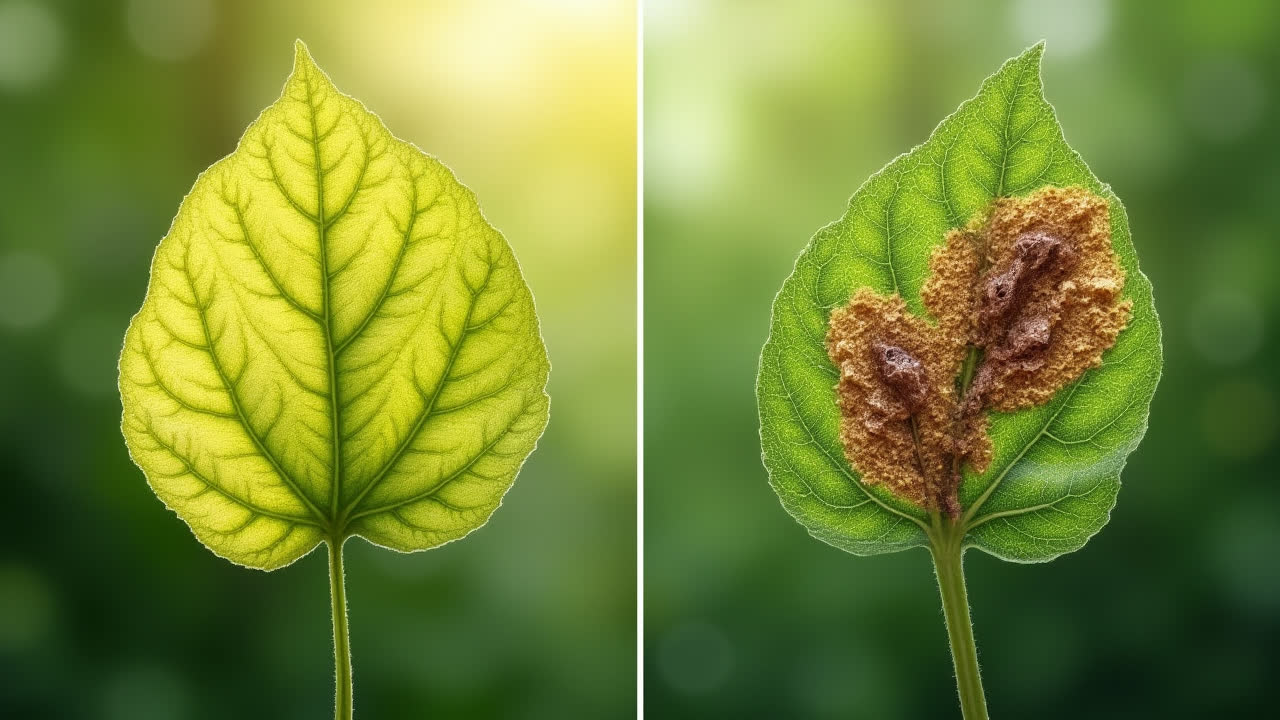
Have you ever noticed your once-vibrant plants developing strange yellow patches or brown dead spots? If so, you've likely encountered two common plant disorders: chlorosis and necrosis. These conditions affect millions of plants worldwide and can significantly impact both home gardens and commercial agriculture. Understanding the difference between these two conditions is crucial for proper diagnosis and treatment.
When plants show discoloration or tissue damage, it's their way of communicating that something is wrong. Think of it as a plant's version of a fever or rash – an outward sign of an internal problem. Both chlorosis and necrosis are symptoms rather than diseases themselves, but they point to specific underlying issues that need addressing.
In this comprehensive guide, we'll explore the key differences between chlorosis and necrosis, their causes, how to identify them, and most importantly, how to treat and prevent these common plant problems. Whether you're a seasoned gardener or just starting with your first houseplant, this knowledge will help you keep your green friends healthy and thriving.
What is Chlorosis?
Chlorosis is a condition characterized by the yellowing of plant tissues, primarily affecting the leaves. This yellowing occurs due to a reduction in chlorophyll, the vital green pigment responsible for photosynthesis. When you see a plant with yellow leaves but still maintaining its tissue structure, you're likely looking at chlorosis in action.
The process begins when the plant becomes unable to produce sufficient chlorophyll or when existing chlorophyll breaks down faster than it can be replaced. Since chlorophyll gives plants their characteristic green color and is essential for energy production, its reduction leads to visible yellowing and compromised plant health. I've seen even the most carefully tended gardens develop chlorosis when certain environmental factors change unexpectedly.
Chlorosis typically appears as yellow patches or spots on foliage, sometimes creating a mosaic-like pattern. In many cases, the leaf veins remain green while the tissue between them turns yellow, creating a distinctive network-like appearance called interveinal chlorosis. This particular pattern is often a telltale sign of specific nutrient deficiencies. From my experience, catching chlorosis early gives you the best chance of saving affected plants without permanent damage.
Causes of Chlorosis
Several factors can trigger chlorosis in plants, with nutrient deficiencies being the most common culprit. Mineral shortages particularly affect chlorophyll production and maintenance. The primary nutrients whose deficiency causes chlorosis include:
- Iron deficiency - Perhaps the most common cause, especially in alkaline soils where iron becomes less available to plants
- Magnesium deficiency - Critical since magnesium is a central component of the chlorophyll molecule
- Manganese deficiency - Important for chlorophyll production and enzyme activation
- Nitrogen deficiency - Essential for overall plant growth and chlorophyll formation
Beyond nutrient issues, environmental factors can also induce chlorosis. Poor drainage leading to waterlogged roots, soil with high alkalinity, root damage from mechanical injury or pests, and even herbicide exposure can all result in chlorotic symptoms. Sometimes the soil itself isn't lacking nutrients, but rather the plant's ability to access them is compromised due to root damage or improper soil pH.
Various infections can also trigger chlorosis as a symptom. Viral diseases, in particular, often manifest as yellow spotting or mottling on leaves. The tobacco mosaic virus and cucumber mosaic virus are notable examples that cause distinctive chlorotic patterns. Fungal infections might also induce yellowing as they interfere with normal plant metabolism and nutrient transport.
What is Necrosis?
Necrosis represents a more severe condition than chlorosis – it's the death of plant cells or tissues. While chlorosis indicates struggling plant cells, necrosis signals cells that have actually died. This crucial distinction makes necrosis generally more serious and often harder to reverse once it has set in. I still remember the first time I encountered extensive necrosis in my garden – it was alarming how quickly it progressed compared to other plant issues.
Visually, necrotic tissue typically appears brown, black, or sometimes grayish, with a dry, shriveled texture. Unlike the more uniform yellowing of chlorosis, necrosis often creates irregular patches with defined borders between dead and living tissue. The affected areas may become brittle and eventually fall away from the plant. In severe cases, entire sections of leaves, stems, or even whole branches can become necrotic.
The process of necrosis often begins at leaf margins (edges) before progressing inward. This pattern, called marginal necrosis, is particularly common with certain nutrient deficiencies and water-related issues. As cells die, they lose their ability to maintain proper water balance, leading to the characteristic drying and darkening of tissues. The concentration of anthocyanin and other plant pigments may increase in necrotic areas, sometimes causing a bronzing effect before tissues turn completely brown or black.
Causes of Necrosis
Plant necrosis can result from various stressors, including:
- Nutrient deficiencies - Particularly calcium, which is crucial for cell wall integrity, and deficiencies in copper and chlorine
- Physical damage - Mechanical injuries, extreme temperatures (frost damage or heat stress), or severe sunburn
- Water issues - Both drought stress and waterlogging can lead to tissue death
- Pathogen attacks - Various fungi, bacteria, and viruses can cause necrotic symptoms
- Chemical damage - Herbicide injury, fertilizer burn, or exposure to pollutants
Pathogenic infections frequently lead to necrosis as part of their disease progression. For example, the tobacco necrosis virus causes characteristic necrotic lesions in infected tobacco plants. Similarly, the Cymbidium mosaic virus creates necrotic spotting in orchid flowers. Bacterial and fungal pathogens can also trigger necrosis through toxin production or by physically disrupting plant tissues as they invade.
Environmental extremes can push plant cells beyond their survival threshold, resulting in necrosis. Frost damage is a classic example, where ice crystals form within plant cells, rupturing cell membranes and leading to tissue death once temperatures rise again. Similarly, extreme heat can denature proteins and damage cell membranes beyond repair, especially in plants not adapted to high temperatures.
Comparison: Chlorosis vs Necrosis
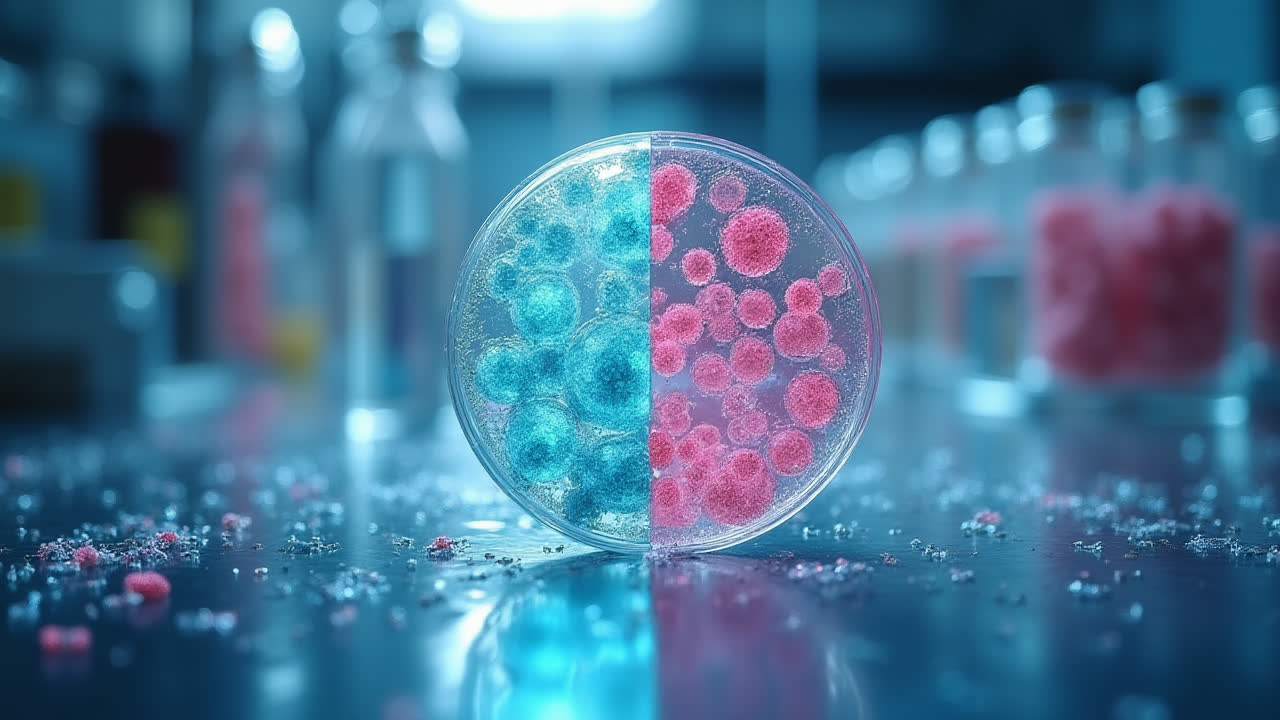
While both chlorosis and necrosis indicate plant stress, understanding their differences is crucial for proper diagnosis and treatment. Let's examine how these two conditions compare across various aspects:
| Comparison Point | Chlorosis | Necrosis |
|---|---|---|
| Definition | Yellowing of plant tissue due to reduced chlorophyll | Death of plant cells or tissues |
| Appearance | Yellow to pale green spots or patches | Brown, black, or gray dry spots |
| Tissue condition | Tissue remains alive but lacks normal coloration | Tissue is dead, dry, and often brittle |
| Pattern | Often creates a mosaic pattern, may show interveinal yellowing | No mosaic pattern, often begins at leaf margins |
| Primary nutrient deficiencies | Magnesium, iron, manganese, nitrogen | Calcium, copper, chlorine |
| Reversibility | Often reversible if caught early and treated properly | Irreversible in affected tissues, but spread can be stopped |
| Progression | Usually develops gradually | Can develop rapidly, especially with certain infections |
| Severity indicator | Generally indicates moderate stress | Indicates severe stress or damage |
One key distinction worth noting is the reversibility of these conditions. With proper intervention, chlorotic tissues can often regain their green coloration as the plant resumes normal chlorophyll production. In contrast, necrotic tissue is permanently damaged and cannot be restored. The plant's recovery from necrosis depends on its ability to produce new, healthy tissue while containing the spread of cell death.
The progression patterns also differ significantly between the two conditions. Chlorosis typically develops gradually, with a slow yellowing that may spread across leaf surfaces over time. Necrosis, however, can develop much more rapidly, especially when caused by acute stressors like frost, intense heat, or aggressive pathogens. I've watched plants develop necrotic patches seemingly overnight after unexpected temperature drops, while chlorosis usually gives you more time to identify and address the problem.
Diagnosis and Treatment
Diagnosing Chlorosis
Accurate diagnosis is the first step toward effective treatment. For chlorosis, consider these diagnostic approaches:
- Examine the pattern of yellowing – interveinal yellowing (green veins with yellow tissue between) often indicates iron or magnesium deficiency
- Check newer vs. older leaves – nitrogen deficiency typically affects older leaves first, while iron deficiency appears in newer growth
- Test soil pH – high pH (alkaline soil) often leads to iron chlorosis
- Look for soil drainage issues or signs of overwatering
- Consider recent environmental changes or chemical applications
Treating Chlorosis
Once you've identified chlorosis and its likely cause, treatment options include:
- For nutrient deficiencies: Apply appropriate fertilizers or amendments. For iron chlorosis, use chelated iron products; for magnesium deficiency, apply Epsom salts (magnesium sulfate)
- For pH issues: Acidify alkaline soils using sulfur or acidifying fertilizers to improve nutrient availability
- For drainage problems: Improve soil structure, ensure proper drainage, and adjust watering practices
- For root damage: Promote root health through proper cultural practices and consider beneficial mycorrhizal fungi
Diagnosing Necrosis
Diagnosing the cause of necrosis requires careful observation:
- Note the pattern and progression of tissue death – marginal necrosis often relates to water or calcium issues
- Look for signs of pests or disease in addition to the necrotic symptoms
- Check for environmental extremes in recent history (frost, heat, drought)
- Examine for chemical exposure or salt buildup in soil
- Consider professional lab testing for definitive pathogen identification
Treating Necrosis
While necrotic tissue cannot be revived, you can prevent further spread:
- For pathogen-related necrosis: Apply appropriate fungicides or bactericides; remove and destroy severely infected plant parts
- For nutrient-related necrosis: Correct deficiencies with appropriate amendments; calcium sprays can help prevent further issues
- For environmental damage: Improve growing conditions, provide shade or wind protection as needed, and maintain consistent moisture
- For chemical damage: Flush soil to remove excess salts or residues; avoid further chemical applications
For both conditions, prevention is often easier than cure. Regular soil testing, proper watering practices, and maintaining balanced nutrition can help keep plants resistant to both chlorosis and necrosis. I've found that establishing a consistent care routine with periodic soil assessments has drastically reduced the occurrence of both issues in my garden.
Prevention Strategies
Preventing plant disorders is always preferable to treating them. Here are some effective strategies to minimize the risk of both chlorosis and necrosis:
Soil Management
Healthy soil provides the foundation for healthy plants. Regularly test your soil to understand its pH and nutrient levels. Most plants prefer slightly acidic to neutral soil (pH 6.0-7.0), which typically provides optimal nutrient availability. Amend soil with organic matter such as compost to improve structure, drainage, and nutrient retention. Well-structured soil promotes healthy root development, which is essential for nutrient uptake.
Proper Plant Selection
Choose plants well-suited to your local conditions. Plants grown in inappropriate environments are more susceptible to stress and therefore more likely to develop chlorosis or necrosis. For example, acid-loving plants like blueberries or rhododendrons will frequently develop iron chlorosis when planted in alkaline soils. Similarly, shade-loving plants placed in full sun often develop necrotic sunburn damage.
Watering Practices
Maintain consistent moisture without waterlogging. Both drought stress and overwatering can trigger chlorosis and necrosis. Water deeply but infrequently to encourage deep root growth. Consider using drip irrigation systems that deliver water directly to the root zone, reducing waste and minimizing leaf wetness that can promote diseases.
Balanced Nutrition
Provide complete, balanced nutrition through appropriate fertilization. Slow-release fertilizers often provide more consistent nutrient availability than quick-release options. Consider foliar feeding (spraying nutrients directly on leaves) for quick correction of deficiencies. Regular application of compost tea or seaweed extracts can supply micronutrients that help prevent deficiencies.
Cultural Practices
Implement good cultural practices including proper spacing for adequate air circulation, regular monitoring for early detection of problems, and sanitation measures to remove diseased plant material. Crop rotation in vegetable gardens helps prevent nutrient depletion and breaks disease cycles. Mulching conserves moisture, moderates soil temperature, and gradually adds organic matter as it breaks down.
By integrating these preventive measures into your regular gardening routine, you'll create resilient plants that can better withstand environmental stresses and resist developing both chlorosis and necrosis. Remember that consistency is key – plants thrive on regular care rather than sporadic intervention.
Frequently Asked Questions About Chlorosis and Necrosis
Can a plant recover from severe chlorosis?
Yes, plants can often recover from even severe chlorosis if the underlying cause is identified and corrected promptly. Since chlorotic tissue remains alive, it can resume chlorophyll production once proper conditions are restored. For nutrient-related chlorosis, recovery may begin within days to weeks after correction. However, recovery success depends on how long the condition has persisted and whether secondary issues like stress or opportunistic infections have developed. Leaves that have been chlorotic for extended periods may never fully regain their green color, but new growth should appear healthy once the problem is resolved.
What's the difference between disease-caused necrosis and normal leaf senescence?
Disease-caused necrosis differs from normal leaf senescence (aging) in several ways. Necrosis typically appears as irregular patches or spots and may affect leaves of any age, often starting with otherwise healthy-looking foliage. It frequently progresses rapidly and may show distinct patterns depending on the cause. In contrast, normal senescence is part of the plant's natural life cycle, typically affecting older leaves first and progressing uniformly across the entire leaf. Senescent leaves usually turn yellow before browning (going through a chlorotic phase first), while necrotic tissue often turns brown directly. Additionally, senescence generally affects the oldest leaves in a predictable pattern, while necrosis can appear randomly throughout the plant.
Can chlorosis progress to necrosis if left untreated?
Yes, untreated chlorosis can eventually progress to necrosis in many cases. Chlorosis indicates struggling plant cells with reduced photosynthetic capacity. If the underlying issue persists or worsens, these weakened cells may eventually die, resulting in necrotic tissue. This progression is particularly common with severe or prolonged nutrient deficiencies, where the plant initially responds with chlorosis but eventually cannot maintain even minimal cell function. The transition from chlorosis to necrosis signals a significant worsening of the plant's condition and makes recovery more difficult, as necrotic tissue cannot be revived. This progression underscores the importance of addressing chlorosis promptly when it first appears.
Conclusion
Understanding the distinction between chlorosis and necrosis is crucial for any plant enthusiast or gardener. While chlorosis represents a reversible yellowing due to chlorophyll breakdown or reduced production, necrosis indicates irreversible cell death resulting in brown or black tissue. Both conditions serve as important warning signs that your plants are experiencing stress or deficiencies that require attention.
By recognizing the specific symptoms and patterns associated with each condition, you can more accurately diagnose problems and implement effective treatments. Remember that chlorosis often manifests as yellow patterns with the plant tissue remaining alive, while necrosis appears as dead, dry tissue that cannot be revived. The causes range from nutrient deficiencies and poor growing conditions to pathogen infections and environmental extremes.
Prevention remains the best approach through proper soil management, appropriate plant selection, consistent watering practices, balanced nutrition, and good cultural practices. Regular monitoring allows for early intervention, increasing the chances of successful recovery, particularly with chlorosis. When treatment is necessary, address the underlying cause rather than just the symptoms for lasting results.
With this knowledge in hand, you're better equipped to maintain healthy, vibrant plants and address issues before they become severe. Remember that plants communicate their needs through various signs – learning to read and respond to these signals is key to successful growing. Have you noticed any signs of chlorosis or necrosis in your garden? With prompt attention and proper care, many affected plants can return to full health and continue to thrive for years to come.