CD4 vs CD4+: Understanding Their Critical Differences in Immunity
In the complex world of immunology, terms like CD4 and CD4+ often cause confusion due to their similar names but distinct functions. CD4 and CD4+ are fundamental components of our immune system with crucial roles in defending against pathogens. Whether you're a medical student, healthcare professional, or simply curious about how your immune system works, understanding the difference between these elements is essential for grasping how our bodies respond to infections and diseases.
The immune system is a remarkable defense network that protects us from countless threats daily. Among its many components, CD4 and CD4+ stand out for their pivotal roles in coordinating immune responses. But what exactly makes them different from each other? How do they function within our immune system? And why does this distinction matter in medicine and health?
In this comprehensive guide, we'll explore these questions and more, breaking down the key differences between CD4 and CD4+ in simple terms while delving into their specific functions, structures, and medical significance. I've always found the immune system fascinating because it's like having an invisible army protecting us 24/7, and these components are among its most important commanders.
What Is CD4? Definition and Function
CD4 is a glycoprotein found on the surface of certain immune cells, primarily T helper cells. The term "CD" stands for "cluster of differentiation," a classification system used to identify cell surface molecules. As a glycoprotein, CD4 consists of a protein component attached to oligosaccharides (sugar molecules). The protein part is embedded in the cell membrane as an integral membrane protein, while the sugar component extends outward from the cell surface.
The primary function of CD4 is to serve as a coreceptor for TCR (T-cell receptor). When our immune system encounters a potential threat, the TCR recognizes specific antigens (foreign substances) bound to MHC (Major Histocompatibility Complex) molecules on antigen-presenting cells. CD4 enhances this interaction by binding to the MHC class II molecule, strengthening the connection and improving signal transduction. This process is crucial for the activation of T helper cells and the subsequent immune response.
Beyond its role as a coreceptor, CD4 glycoproteins help stabilize the cell membrane by forming hydrogen bonds with surrounding water molecules. They also serve as antigens for cell recognition, allowing other cells to identify and interact with T helper cells appropriately. Some glycoproteins like CD4 can also function as neurotransmitter receptors and hormones in different contexts.
Interestingly, the TCR that works in conjunction with CD4 is quite versatile. Its binding to antigens is what scientists call "degenerate," meaning that many different types of TCR can recognize and bind to the same antigen. This diversity provides our immune system with flexibility in responding to various threats. Structurally, about 95% of TCRs contain alpha and beta protein chains, while the remaining 5% have gamma and delta chains. However, certain conditions like leukemia can alter this ratio significantly.
What Is CD4+? Understanding T Helper Cells
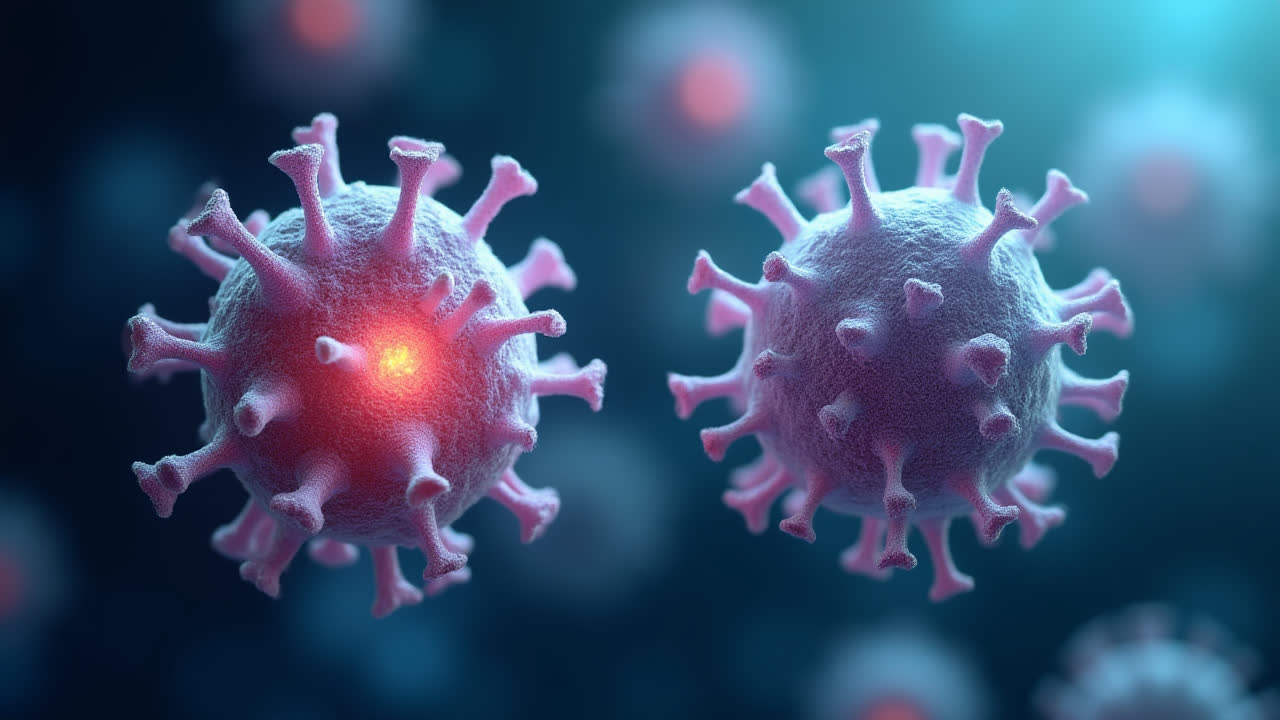
CD4+ refers to cells that express the CD4 glycoprotein—specifically, T helper cells (TH cells). These cells are a specialized type of white blood cell or lymphocyte that plays a central role in mediating immune responses. When we talk about CD4+ cells, we're essentially referring to helper T cells that have the CD4 protein marker on their surface.
The primary function of CD4+ T cells is to coordinate and regulate immune responses by either activating or suppressing other immune cells. They accomplish this mainly through the secretion of various cytokines, which are signaling molecules that facilitate communication between cells. Have you ever wondered how your body knows exactly which defense mechanisms to deploy against different invaders? CD4+ cells are a big part of the answer!
The activation process begins when antigen-presenting cells (APCs) such as macrophages, neutrophils, and dendritic cells encounter pathogens in the body. These APCs engulf the pathogens, process them internally, and then display fragments of these invaders (antigens) on their cell surface alongside MHC class II molecules. CD4+ T cells recognize these displayed antigens through their TCRs and become activated, triggering them to release specific cytokines.
There are several subtypes of CD4+ T cells, each producing different cytokines and serving distinct functions in the immune response. The main subtypes include TH1, TH2, TH17, and TFH cells. For example, TH1 cells typically produce interferon-gamma (IFN-γ) and interleukin-2, which activate macrophages and help fight intracellular pathogens. Meanwhile, TH2 cells produce interleukins 4, 5, and 13, which are important for fighting parasitic infections and are involved in allergic responses.
The cytokines released by CD4+ T cells influence various effector cells, including B cells, CD8+ T cells (cytotoxic T cells), and macrophages. For B cells, these signals trigger maturation into plasma cells that produce antibodies and memory B cells that provide long-term immunity. CD8+ T cells are stimulated to destroy infected or abnormal cells through cytotoxicity, while macrophages are activated to more efficiently engulf and destroy pathogens through phagocytosis.
Key Similarities Between CD4 and CD4+
While we've been focusing on their differences, CD4 and CD4+ share important commonalities that highlight their interconnected roles in immunity. Both are integral components of the immune system and work together to protect the body from harmful invaders. I remember when I first studied immunology, understanding these relationships helped me see the bigger picture of how our defense system operates as a coordinated network rather than isolated components.
Both CD4 and CD4+ are involved in the coordination of immune responses. They help orchestrate the complex interactions between various immune cells to mount an effective defense against pathogens. This coordination ensures that the right immune cells are activated at the right time and in the right location to combat specific threats.
Another significant similarity is their role in stimulating other immune cells. Both CD4 (as a coreceptor) and CD4+ cells (as helper T cells) contribute to the activation and regulation of immune cells such as CD8+ T cells, B cells, and macrophages. This stimulation is essential for amplifying and sustaining immune responses until the threat is neutralized.
Additionally, both CD4 and CD4+ are involved in the recognition of antigens presented by MHC class II molecules. The CD4 glycoprotein helps the TCR bind more effectively to the MHC-antigen complex, while CD4+ T cells use this interaction to determine when and how to respond to potential threats. This recognition system is crucial for distinguishing between "self" and "non-self," preventing autoimmune reactions while effectively targeting pathogens.
Comprehensive Comparison: CD4 vs CD4+
To better understand the distinctions between CD4 and CD4+, let's examine their differences across multiple dimensions. The table below provides a clear comparison of these two important immune components:
| Characteristic | CD4 | CD4+ |
|---|---|---|
| Definition | A glycoprotein that serves as a coreceptor for TCR | A type of white blood cell (T helper cell) expressing CD4 glycoprotein |
| Basic Nature | A molecule (glycoprotein) | A cell (type of lymphocyte) |
| Location | Surface of T helper cells | Circulating in blood and lymphatic system |
| Primary Function | Serves as a coreceptor for TCR binding to MHC class II | Coordinates immune responses by secreting cytokines |
| Structure | Protein with attached oligosaccharides | Complex cell containing various organelles and CD4 on its surface |
| Interaction | Binds to MHC class II molecules | Interacts with antigen-presenting cells |
| Medical Significance | Target for HIV virus binding | CD4+ count used to monitor HIV progression and immune function |
| Subtypes | No distinct subtypes | Multiple subtypes (TH1, TH2, TH17, TFH) |
Medical Significance and Applications
The distinction between CD4 and CD4+ has significant implications in medicine, particularly in the context of HIV/AIDS and other immune-related disorders. Understanding these components helps clinicians diagnose conditions, monitor disease progression, and develop effective treatments. In my experience discussing this with medical professionals, they emphasize how crucial this knowledge is for managing patients with compromised immune systems.
In HIV infection, the virus specifically targets and binds to the CD4 glycoprotein, using it as an entry point to infect CD4+ T cells. Over time, this leads to a decline in CD4+ T cell count, compromising the immune system's ability to coordinate responses against pathogens. Healthcare providers routinely monitor CD4+ T cell counts in HIV patients to assess immune function and determine when to initiate or adjust antiretroviral therapy. A CD4+ count below 200 cells per cubic millimeter of blood is one of the criteria for diagnosing AIDS.
Beyond HIV/AIDS, CD4+ T cell counts and functionality are relevant in various autoimmune disorders, immunodeficiencies, and cancers. For instance, in certain autoimmune conditions like multiple sclerosis, rheumatoid arthritis, and systemic lupus erythematosus, CD4+ T cells may become dysregulated and contribute to inappropriate immune responses against the body's own tissues. Some treatments for these conditions aim to modulate CD4+ T cell activity to reduce inflammation and tissue damage.
In transplant medicine, understanding CD4 and CD4+ is essential for managing immunosuppression to prevent rejection while avoiding excessive susceptibility to infections. Clinicians must carefully balance these factors to ensure transplant success. Additionally, various immunotherapies, including those for cancer treatment, may target or leverage CD4+ T cell functions to enhance immune responses against malignant cells.
Research into CD4 and CD4+ continues to advance our understanding of immune function and disease mechanisms. This knowledge contributes to the development of new diagnostic tools, treatments, and vaccines. For example, efforts to create an HIV vaccine often focus on inducing effective CD4+ T cell responses alongside antibody production. Similarly, cancer immunotherapies may aim to enhance CD4+ T cell activity against tumor cells.
Frequently Asked Questions About CD4 and CD4+
What happens when CD4+ count drops too low?
When CD4+ T cell count drops below normal levels (typically under 500 cells/mm³), the immune system becomes compromised, a condition known as immunodeficiency. As counts decrease further, especially below 200 cells/mm³ in HIV patients, the risk of opportunistic infections significantly increases. These infections are caused by pathogens that wouldn't normally cause disease in people with healthy immune systems. Common opportunistic infections include Pneumocystis pneumonia, Candidiasis (thrush), Toxoplasmosis, Cryptosporidiosis, and certain cancers like Kaposi's sarcoma. Without treatment, these infections can be life-threatening due to the body's inability to mount an effective immune response.
How are CD4+ T cells measured in clinical settings?
CD4+ T cells are typically measured using a laboratory technique called flow cytometry. This process involves drawing a blood sample from the patient, adding fluorescent antibodies that specifically bind to CD4 proteins on T cells, and passing the cells through a laser beam that detects and counts the labeled cells. The results are usually reported as the number of CD4+ cells per cubic millimeter of blood (cells/mm³) and sometimes as a percentage of total lymphocytes. Normal CD4+ counts in healthy adults range from approximately 500 to 1,500 cells/mm³. In clinical practice, these measurements are often part of a comprehensive immune panel that may include CD8+ T cell counts, CD4:CD8 ratio, and other immune markers depending on the condition being monitored.
Can CD4+ levels be improved naturally?
While no natural method can dramatically increase CD4+ counts in conditions like HIV infection (which requires antiretroviral therapy), several lifestyle factors may help support overall immune function, potentially benefiting CD4+ T cell health in general. These include maintaining a balanced diet rich in proteins, vitamins, and minerals, particularly vitamin D, zinc, and antioxidants; regular moderate exercise, which has been shown to support immune function; adequate sleep and stress management, as chronic stress and poor sleep can suppress immune activity; avoiding smoking and limiting alcohol consumption, which can negatively impact immune cells; and preventing infections through good hygiene practices and vaccinations. It's important to note that these approaches should complement, not replace, medical treatments for conditions affecting CD4+ T cells, and any significant changes should be discussed with healthcare providers.
Conclusion
In summary, the main difference between CD4 and CD4+ lies in their fundamental nature and function. CD4 is a glycoprotein that serves as a coreceptor for the T-cell receptor, enhancing its ability to bind to MHC class II molecules and recognize antigens. Meanwhile, CD4+ refers to T helper cells that express this CD4 glycoprotein and coordinate immune responses by secreting various cytokines that activate or regulate other immune cells.
Understanding this distinction is not merely academic—it has profound implications for diagnosing, monitoring, and treating various immune-related conditions, particularly HIV/AIDS. The count of CD4+ T cells serves as a crucial marker for immune function, guiding clinical decisions and treatment strategies.
As our knowledge of the immune system continues to evolve, research into CD4 and CD4+ may lead to more targeted therapies and interventions for immune disorders, infectious diseases, and cancer. The complex interplay between these components reminds us of the remarkable sophistication of our immune system and the ongoing efforts to harness this understanding for improved health outcomes.
Whether you're a student, healthcare professional, or someone managing a condition related to immune function, grasping the difference between CD4 and CD4+ provides valuable insight into how our bodies defend against threats and maintain health. The next time you hear about CD4 counts or T helper cells, you'll have a clearer picture of what these terms mean and why they matter in the context of immunity and overall wellbeing.